

Sell Gold and Silver for a Fair, Fast Price
To sell gold and silver for top dollar, first check the live spot price, confirm each item's weight and purity, and get at least two or three written offers. Bullion coins and bars may sell close to the market bid price, while jewelry, flatware, and scrap are usually valued by their recoverable metal content. Rare coins, signed jewelry, and luxury pieces may be worth more than melt value.
A smart sale is not just about the highest headline offer. Ask the buyer to explain:
The gold or silver purity they found
The weight used for the calculation
The price per troy ounce or gram
Any fees, refining costs, or deductions
When and how you will be paid
Gold and silver prices move throughout the day, so timing matters. A transparent buyer should use a calibrated scale, test the metal in front of you when possible, and make the terms clear before you hand over an item.
For affluent sellers, discretion matters, too. Whether you are liquidating bullion, inherited jewelry, sterling flatware, or precious-metal watches, compare the net amount you receive - not simply a buyer's advertised percentage of spot.

Understanding Precious Metal Valuation and Market Pricing
When you prepare to liquidate precious metals, the live market benchmark is the spot price. This figure represents the current price per troy ounce of raw, unrefined gold, silver, or platinum traded on major international exchanges. A troy ounce contains exactly 31.1034768 grams, which is heavier than a standard imperial ounce (28.35 grams). Failing to distinguish between standard ounces and troy ounces is one of the most common pitfalls sellers encounter.
The spot price is the foundation of every professional quote, but transactions operate across a bid-ask spread. The "ask" is the rate at which dealers sell metal, while the "bid" is what they pay to purchase it. Dealers maintain a modest percentage margin on the spread to cover refining costs, insurance, capital allocation, and business overhead.
Staying updated on the live gold silver price ensures you enter negotiations with realistic expectations. Highly liquid items like investment-grade bullion trade tightly against the spot rate, whereas vintage jewelry, scrap, and sterling flatware undergo a refining discount.
The table below illustrates what sellers can typically expect based on the type of asset being sold:
Asset Category | Typical Payout Range (% of Spot / Melt) | Primary Valuation Driver |
|---|---|---|
Government Gold Bullion (e.g., Eagles, Maples) | 95% – 100%+ | High market liquidity & mint authenticity |
Generic Gold Bars & Rounds | 92% – 97% | Pure weight and refinery certification |
Investment Silver Bullion | 90% – 98% | Demand premium and bar size |
Fine Gold Jewelry (14k, 18k) | 70% – 90% (Higher for signed brands) | Pure metal weight minus refining; brand premium |
Sterling Silver Flatware & Hollowware | 65% – 80% | 92.5% purity and bulk refining fees |
Scrap / Broken Gold | 60% – 80% | Pure melt value minus processing costs |

How to Calculate Melt Value and Test Purity
Understanding how to determine gold purity protects you against lowball appraisals. Karat stamps indicate the proportion of pure gold alloyed with other metals. For instance, pure gold 24 k contains 99.9% pure gold, making it heavy, bright, and naturally soft.
When assessing wearable jewelry, it helps to understand what is the difference between 14 k and 18 k gold. An 18-karat item consists of 75% pure gold (marked .750), while a 14-karat piece contains 58.3% pure gold (marked .585). To determine the approximate price gold 14 k yields per gram, multiply the current gold spot price per gram by 0.583, then apply the buyer’s payout percentage.
Professional buyers verify metal authenticity using several non-destructive testing methods:
X-Ray Fluorescence (XRF) Analyzers: High-end desktop spectrometers measure the exact elemental composition of an alloy within seconds without damaging the piece.
Electronic Conductivity Testers: These units pass an electromagnetic signal through the metal to confirm purity and expose plated base metals.
Traditional Acid Scratch Tests: The piece is rubbed against a touchstone and tested with nitric acid solutions calibrated for different karats.
Hallmark and Maker's Mark Verification: A jeweler inspects purity stamps, assay marks, and designer signatures under high magnification.
High-Value Items: Bullion, Coins, Jewelry, and Flatware
Certain items command strong premiums over basic melt value. When investors choose to sell silver eagles, they often receive a price close to or slightly above spot because these sovereign coins carry unmatched recognition and government backing.
Similarly, historical 90% U.S. silver coinage (dimes, quarters, and half-dollars minted in 1964 or earlier, often called "junk silver") carries a steady investment following. Rare numismatic coins require specialized grading because their collector value can surpass their intrinsic metal weight.
For estate assets, knowing how to sell silver flatware helps you separate true sterling silver (.925) from silver-plated items. Plated tableware contains only a microscopic layer of precious metal over copper or nickel and has little commercial scrap value. Genuine sterling sets, however, contain hundreds or thousands of grams of pure silver.
Fine jewelry operates on its own market dynamics. When clients decide to sell gold jewelry for cash, signed pieces from prestigious houses such as Cartier, Van Cleef & Arpels, or Tiffany & Co. are appraised for their artistic provenance and secondary-market demand rather than melted down. If you are assessing modern designer pieces or buying gold chains, structural integrity, link style, and craft finish all factor into resale value.
Where to Sell Gold and Silver for Maximum Profit
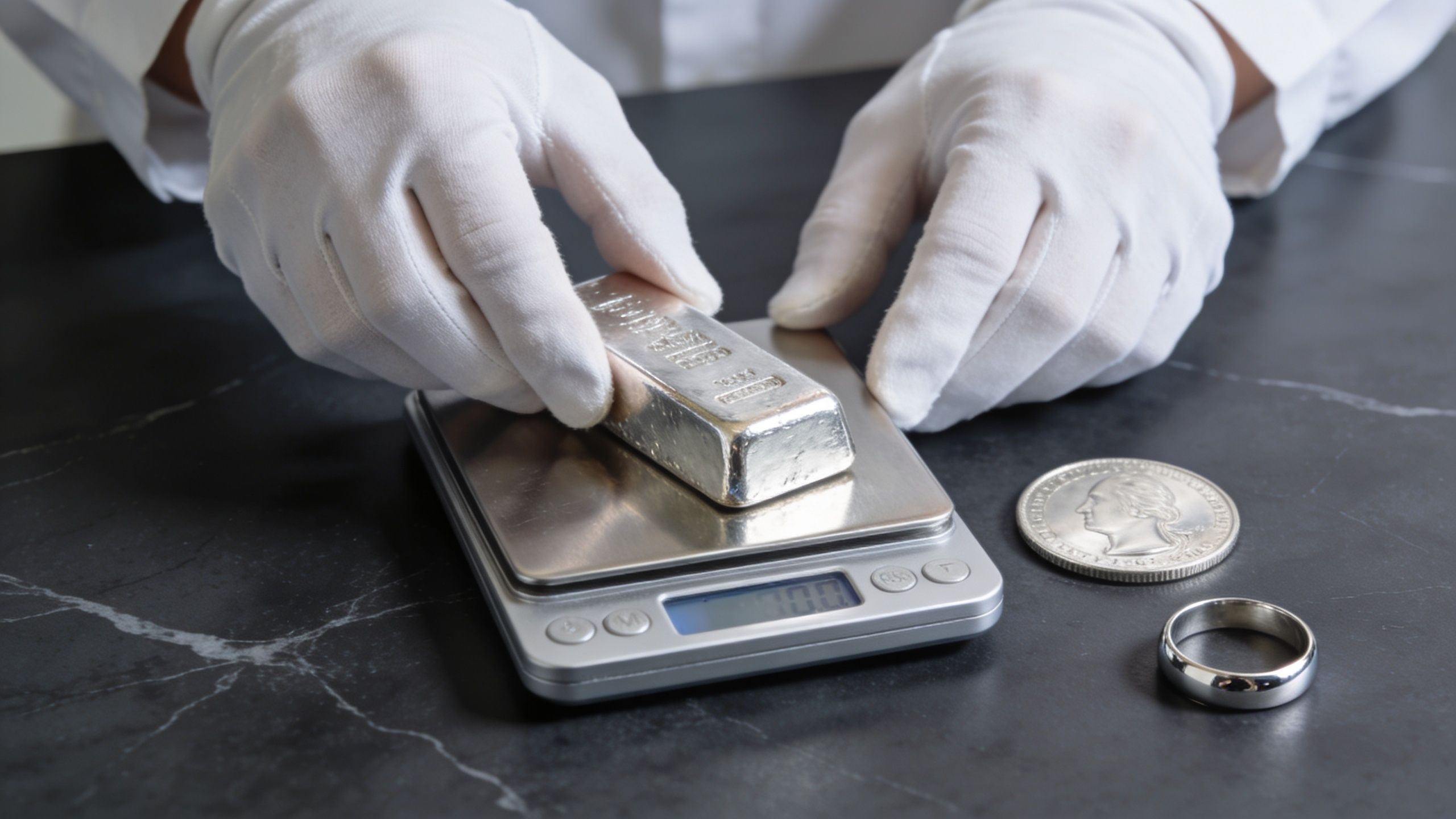
Finding the best place to sell gold depends on your portfolio, timeline, and privacy needs. The precious metals resale landscape includes several main venue types:
Private Luxury Buyers & Estate Jewelers: Ideal for high-end jewelry, rare coins, and substantial bullion holdings. These establishments provide private, appointment-only consultations, professional XRF verification, and immediate liquidity.
Online Bullion Dealers: Suited for generic bars and sovereign coins. They publish transparent buyback schedules but require you to ship your items and wait for processing.
Local Coin Shops (LCS): Practical for smaller silver and coin transactions, offering face-to-face service and instant payouts.
Pawn Shops and Cash-for-Gold Outlets: Convenient for fast transactions, though their payout percentages on jewelry and scrap are frequently lower due to higher retail overhead.
Steps to Safely Sell Gold and Silver Online or Locally
A methodical approach ensures you receive full value for your assets:
Catalog and Weigh Your Inventory: Group your metals by purity (e.g., 10k, 14k, 18k, .999 silver) and record their weights in grams or troy ounces before meeting any buyer.
Obtain Multiple Independent Quotes: Contact local specialists and check online bids to establish a clear price baseline.
Select Your Transaction Channel: If you search for gold buyers near me, select fully licensed, vetted professionals who utilize certified, state-inspected scales.
Schedule a Private Consultation: Sellers in major metropolitan hubs can work directly with experienced gold buyers atlanta for confidential, in-person appraisals. Regional sellers can also evaluate options with specialists who help clients sell gold tampa.
Lock in Your Price and Finalize Payment: For online transactions, confirm a binding price lock before shipping. For local sales, ensure settlement is completed immediately via bank wire, direct deposit, or certified check.
Comparing In-Person Appraisals and Remote Selling Options
Choosing the best way to sell gold jewelry involves weighing speed, privacy, and payout transparency. Remote selling platforms allow you to send metals using insured mailers, but processing can take several business days from delivery to payout.
By contrast, scheduling an in-person appointment provides an interactive evaluation where your metals never leave your sight. At Antwerp Diamond Store, we conduct evaluations directly in front of our clients in a secure, private setting, offering immediate payment via wire transfer or check.
Whether you want to discover the best place to trade in gold jewelry for an upgraded timepiece or schedule a dedicated gold jewelry evaluation atlanta, an in-person luxury buyer delivers unmatched privacy, speed, and competitive pricing.
Crucial Steps and Protections to Avoid Scams

Because precious metals carry substantial value, the resale industry attracts misleading operators. The average retail commission for standard one-ounce American Eagle or Maple Leaf gold coins is about five or six percent, so offers that deviate drastically from this baseline should raise questions.
Protect yourself by identifying these common red flags:
Uncalibrated Scales: Honest buyers always display their weights on certified, legal-for-trade scales positioned directly in your line of sight.
Obscured Weight Measurements: Be cautious if a buyer weighs items in pennyweights (dwt) or grams and applies confusing conversions to lower the perceived payout.
High-Pressure "Today-Only" Offers: Reputable buyers present clear quotes based on current market rates without pressuring you to sign immediately.
Mobile Hotel Buying Events: Temporary traveling buyers often advertise heavily, provide lowball offers to uninformed sellers, and vacate town shortly after.
Uninsured Shipping Labels: If selling remotely, verify that the buyer provides fully insured logistics coverage that matches the replacement value of your metals.
Tax Implications When You Sell Gold and Silver Assets
Physical gold and silver bullion, coins, and jewelry are classified as collectibles by the Internal Revenue Service (IRS). This distinction affects how profits are taxed upon sale.
When reviewing capital gains on gold, remember these foundational rules:
Short-Term Capital Gains: If you hold physical metal for one year or less before selling at a profit, the gain is taxed as ordinary income at your standard marginal tax bracket.
Long-Term Capital Gains: For assets held longer than one year, long-term capital gains on collectibles like gold and silver can be taxed as high as 28%, rather than the standard 15% or 20% rates applied to stocks and bonds.
Tax Losses: If you sell precious metals below your original cost basis, you can use those capital losses to offset other capital gains, up to $3,000 against ordinary income annually.
IRS Form 1099-B Reporting: Certain volume thresholds—such as liquidating 25 or more one-ounce gold Maple Leafs, or 1,000 ounces of silver bullion bars—require dealers to issue a 1099-B form.
Precious Metals IRAs: Gold and silver held inside a self-directed IRA grow tax-deferred or tax-free, but distributions in retirement are taxed as ordinary income and may incur penalties if withdrawn prior to age 59½.
Always consult a certified public accountant (CPA) or tax advisor regarding your specific cost-basis documentation and annual reporting requirements.
How to Package and Ship Precious Metals Securely
If you liquidate metals through remote services, safe packaging prevents transit loss and theft:
Double-Box Everything: Place your metals in an inner container, seal it completely, and nest it within a sturdy outer box with generous packing fill to prevent rattling.
Use Discreet Exterior Labels: Never write words like "Gold," "Silver," "Bullion," or "Jewelry" on the outer shipping box or company address line.
Select Registered or Insured Freight: For large shipments, USPS Registered Mail provides chain-of-custody tracking with insurance options up to $50,000 per package. Private couriers with dedicated precious-metal insurance riders are ideal for high-value lots.
Include an Internal Packing Slip: Place a full inventory manifest with your contact information inside the box before sealing.
Frequently Asked Questions About Precious Metals Resale
How much below spot price do buyers usually pay?
Payout rates depend entirely on the form and purity of the metal. High-demand investment bullion coins like American Eagles or Canadian Maples typically sell for 95% to 100% of the live spot price (and occasionally a slight premium during high retail demand). Generic bullion bars trade around 92% to 97% of spot. Scrap jewelry, sterling silverware, and dental gold usually yield 60% to 85% of their pure melt value to account for refinery melt-loss and assay processing fees.
Do I have to pay taxes immediately when selling gold or silver?
No tax is withheld at the moment of sale by the buyer. However, you are legally responsible for calculating and reporting any net capital gains on your annual federal and state income tax returns. Maintain precise purchase receipts, dates, and sale invoices to calculate your cost basis accurately.
Is it better to sell broken jewelry as scrap or for melt value?
Broken, tangled, or unbranded jewelry is best sold for its recoverable melt value. Professional buyers determine the exact karat purity, calculate the net pure gold weight, and pay you based on the current market spot price. To explore this topic in greater detail, consult our sell gold jewelry ultimate guide 2026.
Conclusion
Selling your precious metals should be a secure, transparent, and rewarding process. By tracking live spot rates, testing item purity with precision equipment, and partnering with experienced estate professionals, you can confidently secure top market value for your bullion, coins, and jewelry.
At Antwerp Diamond Store, we provide confidential, appointment-only appraisals for fine jewelry, luxury watches, designer accessories, and precious metals. Discover where to sell gold and silver by scheduling a private consultation with our Atlanta specialists today to receive a transparent, no-obligation evaluation and immediate payment.


