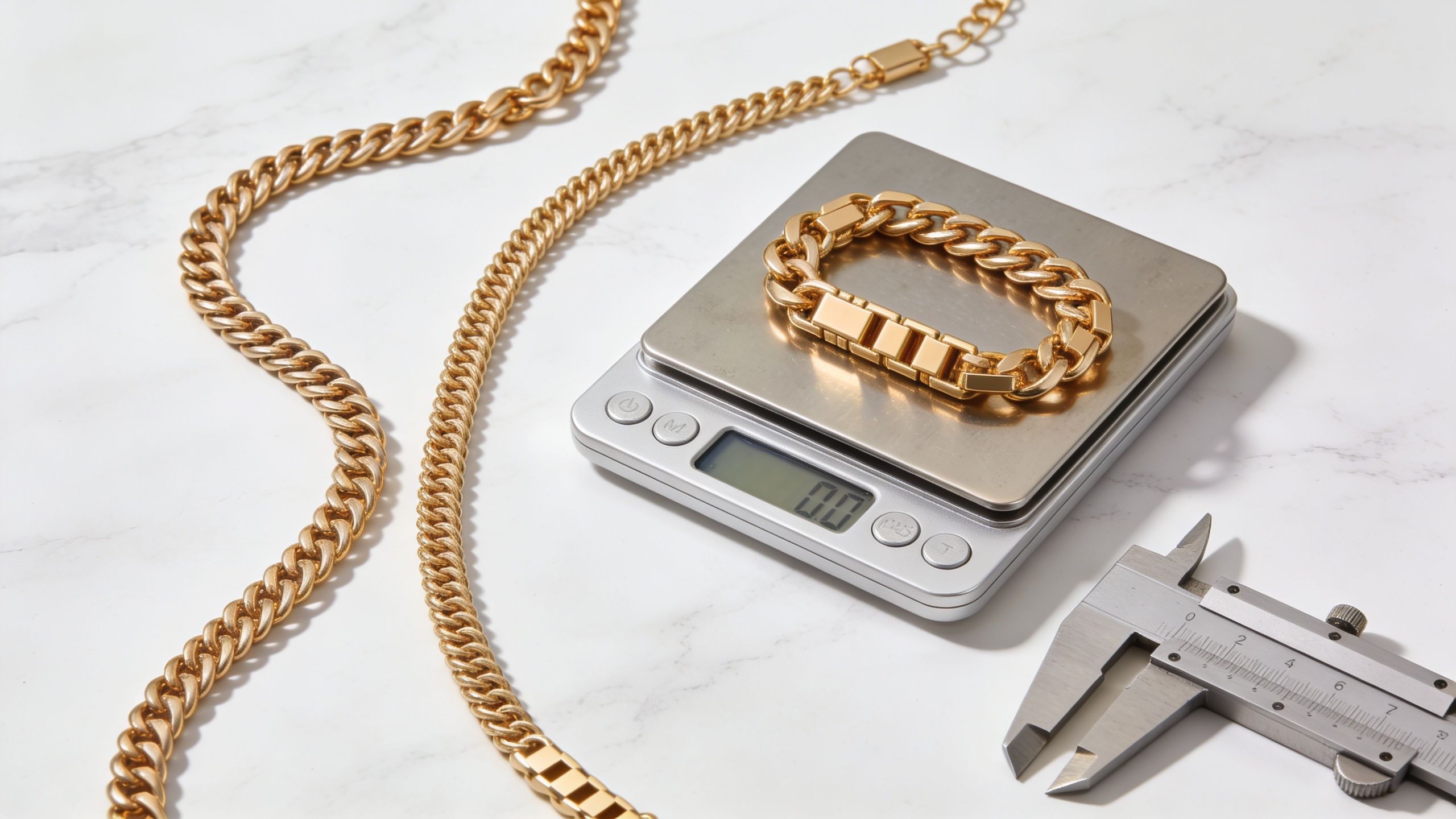
If you're buying a gold chain right now, start with value before style. A smart purchase comes down to four things: karat, weight, workmanship, and resale reality. The chain may look great in the case, but if you don't understand how much actual gold you're buying and how much premium sits on top of it, it's easy to overpay.
That matters even more when gold prices are high and retail spreads are wide. A chain can be a lasting piece of jewelry, but it isn't automatically a good investment just because it's gold.
Table of Contents
How to Prepare for Buying a Gold Chain
Set your purpose before you set your budget
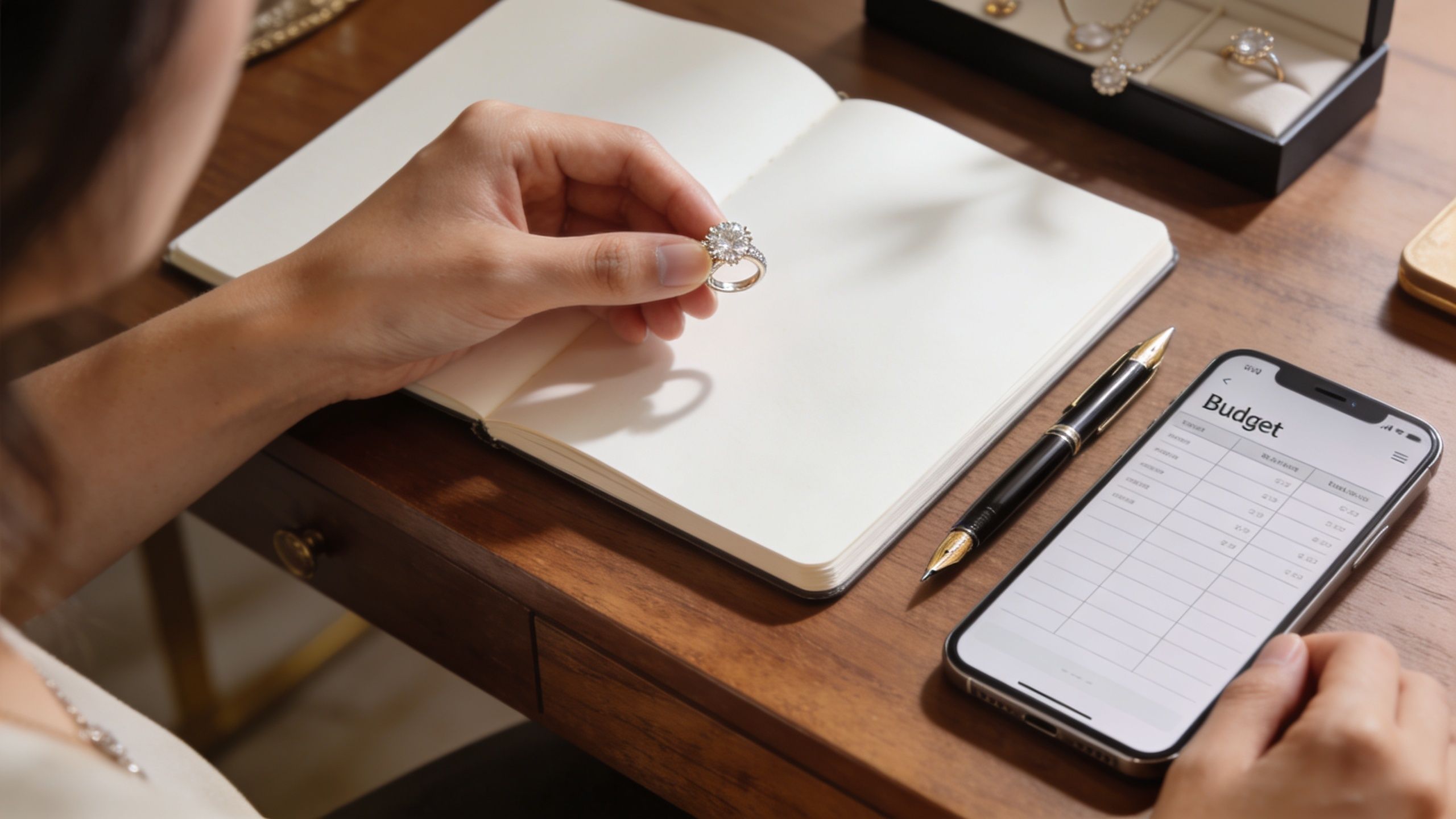
Build a budget that matches the real purchase
A pre-purchase checklist
Choosing the Right Gold Karat and Chain Style
How karat affects wear and value
How chain style changes daily use
Understanding Weight, Length, and Price Per Gram
Why gram weight matters more than most buyers think
A simple way to judge pricing
How to Verify Authenticity and Read Hallmarks
Where to look for marks and what they mean
What home checks can and cannot tell you
Where to Buy Gold Chains and Red Flags to Avoid
How different sellers compare
Red flags that should stop the purchase
Gold Chain Care and Frequently Asked Questions
How to care for a gold chain
Frequently asked questions
How to Prepare for Buying a Gold Chain
Buying gold chains goes more smoothly when you decide two things first: why you're buying it and what you can comfortably spend. Most mistakes happen because buyers shop by appearance alone, then try to justify the price afterward.
Set your purpose before you set your budget
A daily chain and an occasional chain aren't the same purchase. If you'll wear it every day, comfort, clasp quality, repairability, and resistance to dents matter more than a dramatic look in the display case.
If it's for special occasions, you may be more comfortable choosing a bolder link, a heavier profile, or a more polished finish that needs extra care. Gift purchases add another layer, because the recipient's style often matters more than your instinct about what looks valuable.
Practical rule: Buy the chain for the life it will actually live, not the one you imagine on day one.
A few questions usually clarify the right direction:
Daily wear or occasional wear: Daily wear calls for a chain that handles movement, friction, and repeated clasp use.
Standalone piece or pendant chain: Some styles carry pendants neatly, others twist or sit awkwardly.
Personal wear or future resale focus: If resale matters, keep an eye on purity, weight, and how easy the style is for the next buyer to value.
Build a budget that matches the real purchase
A realistic budget isn't only the sticker price. It also includes the premium you're paying for design, labor, finish, packaging, and retailer margin. That's why two chains that look similar online can feel wildly different in price once you compare what you're getting.
Before you shop, decide on a maximum spend and a preferred range. Then leave room for sizing adjustments, clasp upgrades, or a better-made version of the same style if the construction is meaningfully stronger.
This is also the stage where it helps to understand how gold is valued when you eventually resell it. If you want a practical reference point before you buy, this guide on what affects gold resale value gives useful context on how buyers look at gold items later.
A pre-purchase checklist
Know your use case: Everyday chain, dress chain, gift, or long-term hold.
Pick your comfort zone: Light and subtle, or heavier and more noticeable.
Ask for specifics: Gram weight, karat, chain length, clasp type, and whether it's solid or hollow.
Stay disciplined: If the chain only makes sense because the salesperson is persuasive, walk away and compare.
Choosing the Right Gold Karat and Chain Style
Karat and link style shape almost everything about the chain. They affect color, feel, durability, maintenance, and how much real gold sits inside the piece.
How karat affects wear and value
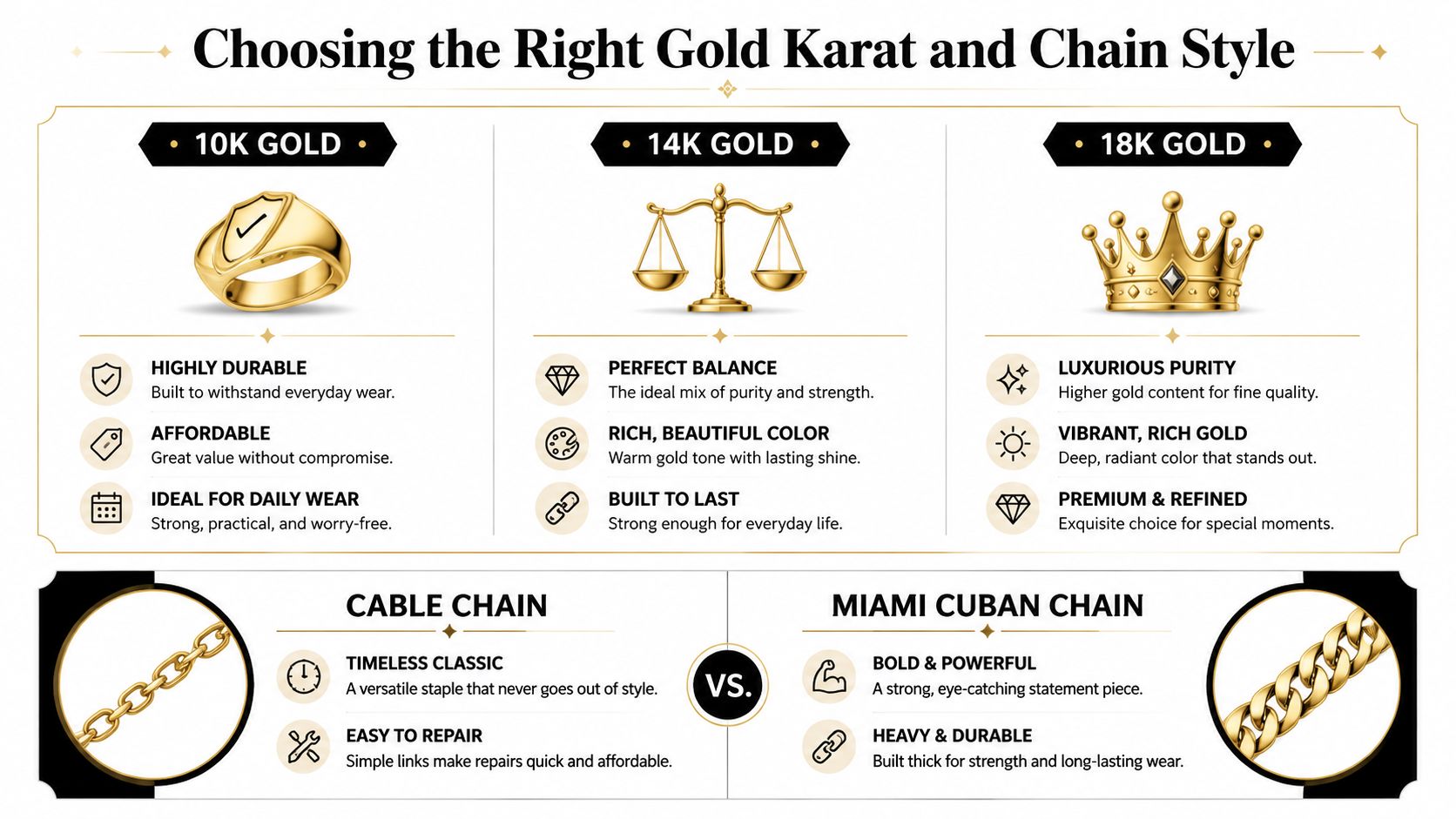
The higher the karat, the more gold content the chain contains. Verified pricing guidance notes that 14K gold is 58.3% pure gold, 18K gold is 75% pure gold, and 24K gold is 99.9% pure gold, which is why higher karat chains usually cost more and carry more intrinsic metal value according to this gold chain pricing breakdown.
In practice, most buyers choosing a wearable chain land on 14K or 18K. A lower karat alloy is generally tougher for regular use, while a higher karat chain gives you richer gold content and a more luxurious tone.
Here's the trade-off in plain terms:
Karat | What it usually offers | Main compromise |
|---|---|---|
14K | Good balance of durability, color, and price | Less pure gold content |
18K | Richer gold content and deeper color | Softer feel, higher cost |
24K | Very high gold content | Too soft for many chain buyers who want frequent wear |
How chain style changes daily use
Not all link patterns behave the same on the body. Some lie flat and bold. Some twist light beautifully. Some are easy to repair. Others can kink, dent, or snag more easily.
A practical breakdown:
Cuban link: Heavier visual presence, broad lay, often chosen as a statement chain.
Rope chain: Reflects light well and works nicely on its own, but pay attention to how tightly it's made.
Box chain: Cleaner look, often a solid choice with pendants if the build is sturdy.
Figaro chain: Traditional pattern with visual rhythm, works well if you want detail without too much bulk.
Cable chain: Straightforward, familiar, and often easier for jewelers to repair.
If you're still comparing looks and trying to see what's available across budgets, it can help to find affordable jewellery pieces as a style reference point before committing to a final design.
Buy style with your eyes, but buy construction with your hands. Flexibility, solder quality, clasp action, and link thickness matter more than the mirror test alone.
Understanding Weight, Length, and Price Per Gram
Buying gold chains shifts from shopping to evaluation at this stage. A chain's price isn't random. The foundation is the amount of gold in it, then the labor and retail premium layered on top.
Why gram weight matters more than most buyers think
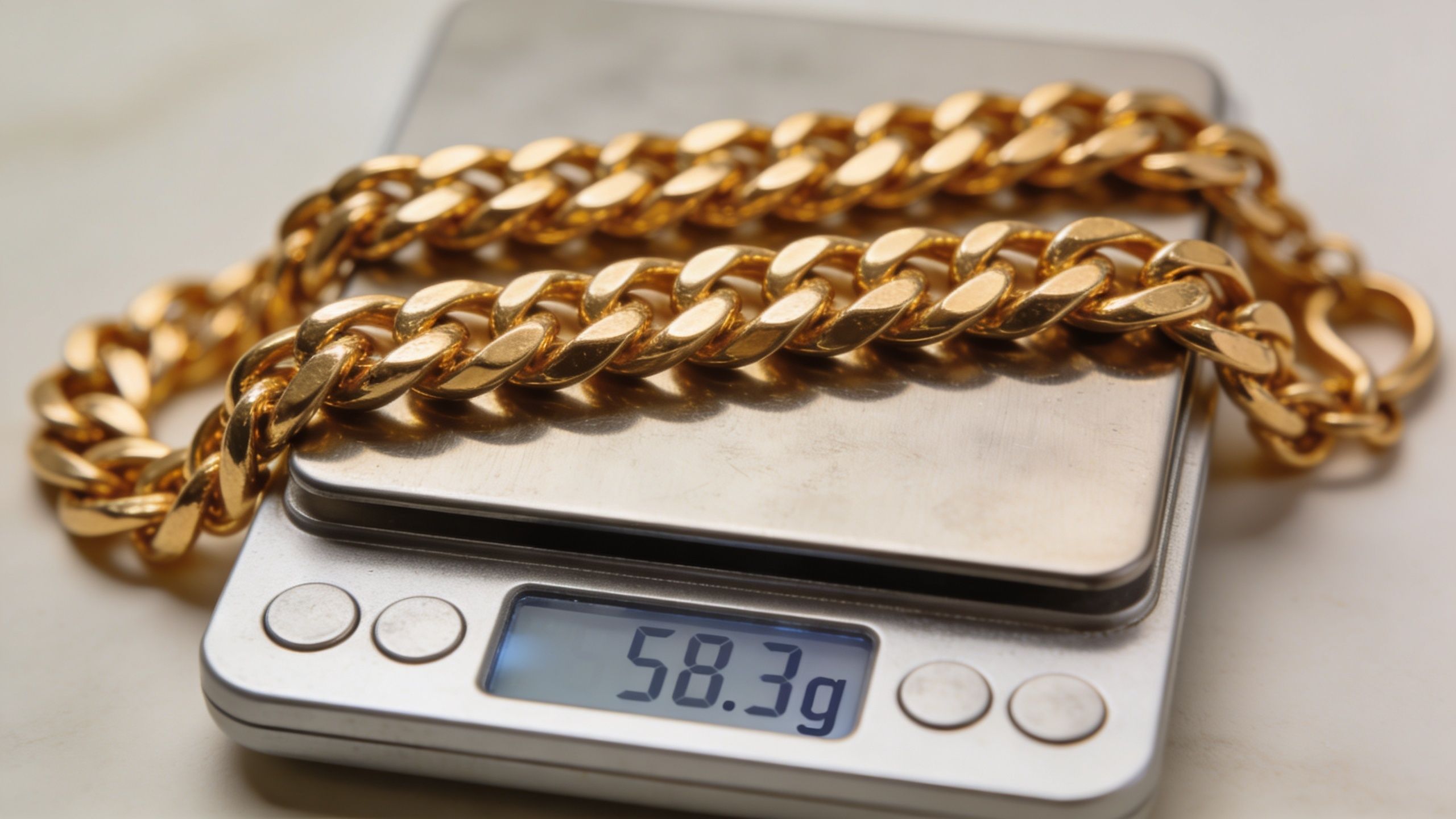
A chain can look large because of width, shape, or hollow construction, yet contain less gold than you assume. That's why gram weight matters more than visual size.
Verified pricing guidance explains the core math clearly. A 20-gram 14K chain contains about 11.66 grams of pure gold, and using a sample price of $60 per gram, that pure-gold content is worth about $699.60 before craftsmanship and retail markup. The same guidance notes that buyers may add roughly a 20% to 50% premium for design and labor, with one example reaching $909.48 after a 30% markup, as shown in this worked example of gold chain value.
That single example tells you how professionals think. First comes purity. Then gross weight. Then current gold price. Then premium.
A simple way to judge pricing
When you compare chains, don't stop at total price. Ask for:
Gross gram weight
Karat
Whether the chain is solid or hollow
Whether the price reflects branding, labor, or added design premium
Then compare one chain against another on a price-per-gram basis. That doesn't mean the lowest price-per-gram always wins. A better clasp, cleaner finishing, stronger links, or a more liquid style may justify paying more. But if a seller won't tell you the weight, you can't evaluate value intelligently.
A short comparison framework helps:
Question | Why it matters |
|---|---|
What does it weigh? | Weight is the starting point for gold value |
What karat is it? | Purity changes actual gold content |
Is it solid or hollow? | Feel, durability, and resale can differ significantly |
What premium am I paying? | Labor and markup may not come back on resale |
Most buyers over-focus on width and under-focus on weight. Jewelers and secondary buyers do the opposite.
Length also changes value because longer chains often use more gold, but don't assume two chains of the same length hold the same metal content. Link type, thickness, and build method matter.
If you already compare luxury items by underlying value, the same discipline used in evaluating secondary market pricing for watches can help here too. You're looking past presentation and into what the asset contains.
How to Verify Authenticity and Read Hallmarks
A gold chain only has real value if the gold content is real. Hallmarks, construction details, and proper testing separate a sound purchase from an expensive lesson.
Where to look for marks and what they mean
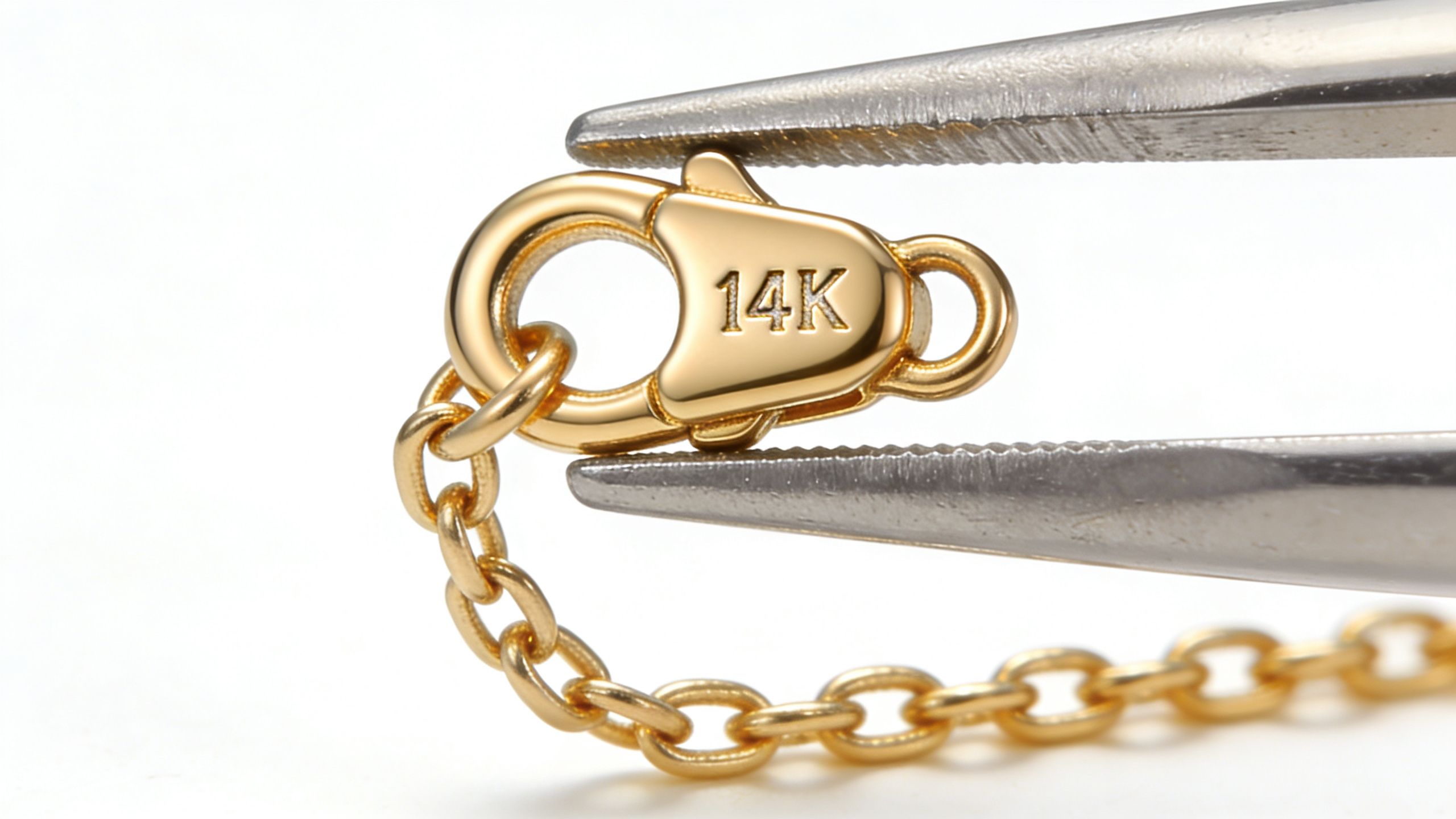
Start near the clasp. That's where you'll often find the karat mark and, in many cases, a maker's stamp. Common markings can include a direct karat stamp such as 14K or 18K, or a fineness mark that corresponds to gold purity.
A hallmark is useful, but it isn't proof by itself. Stamps can wear down, become hard to read, or in some cases be misleading on counterfeit or altered pieces.
Because gold has been trading at high levels, buyers need to be especially careful. One market note says spot gold surpassed about $3,400/oz in April 2026 after a sharp run-up, and also points out that premiums for workmanship, brand, and retail markup can be difficult to recover on resale, especially on lower-content or heavily premium-priced chains, according to this gold chain market and resale overview.
What home checks can and cannot tell you
At home, you can do a few basic screens:
Magnet check: Helpful for spotting some obvious non-gold metals, but not conclusive.
Visual inspection: Look for discoloration, wear at edges, rough solder points, and odd color differences near the clasp.
Stamp review: Check whether the mark looks consistent with the chain's overall quality.
None of those replace professional testing. For a meaningful purchase, the better route is verification by a jeweler or buyer with the right equipment and experience.
A quick visual guide can help you see what professionals inspect when reviewing fine jewelry:
Professional evaluation may include non-destructive testing, close inspection of wear patterns, and confirmation that the metal content aligns with the hallmark. The same caution buyers use when checking grading and documentation on a GIA certified engagement ring applies here. Paperwork and marks help, but the item itself has to confirm the story.
A clean hallmark starts the conversation. It doesn't finish it.
Where to Buy Gold Chains and Red Flags to Avoid
The seller matters almost as much as the chain. Good buying gold chains decisions usually come from transparent sellers who provide weight, purity, condition details, and enough time for you to compare.
How different sellers compare
A traditional jeweler often gives you hands-on access, sizing help, and a better feel for how the chain sits on the neck. An online seller may offer broader selection and easier side-by-side browsing, but only if the listing includes clear weight, karat, length, and close-up photos.
Pawn shops and estate channels can sometimes offer interesting inventory, though the condition range is wider and the burden on the buyer is heavier. You need to inspect for repairs, worn links, replacement clasps, and missing documentation.
Retail pricing also needs perspective. One jewelry pricing guide notes that average markups on gold jewelry exceed 250%, and another rule of thumb says that if a chain costs $500 in raw gold and production terms, a buyer should expect to pay $1,000 or more at retail, according to this overview of gold chain markups and melt value.
That doesn't mean retail is wrong. It means you should know what you're paying for.
Red flags that should stop the purchase
Some warning signs are immediate deal-breakers:
No gram weight disclosed: If the seller avoids the weight question, you can't price the chain intelligently.
No clear purity information: A real seller should state karat and show the mark.
Too-good-to-be-true pricing: Deep discounts without a clear reason deserve skepticism.
Weak photos or no close-ups: You need to see the clasp, links, hallmarks, and wear.
Pressure tactics: If you're rushed, you lose your best protection, which is comparison.
For buyers in Atlanta, Buckhead, Sandy Springs, Alpharetta, Roswell, Brookhaven, Midtown Atlanta, and the wider Georgia market, an in-person evaluation can save a lot of trouble. If you want a local point of reference for authentication, resale discussions, or comparing a chain against current market expectations, Antwerp Diamond Store in Atlanta is one option alongside established jewelers and other professional evaluators.
Gold Chain Care and Frequently Asked Questions
A well-made gold chain can last for years, but only if you treat it like fine jewelry rather than indestructible metal. Dirt, sweat, lotion, impact, and careless storage do more damage than most buyers expect.
How to care for a gold chain
Use a soft cloth after wearing it, especially if the chain has been against skin all day. Store it flat or in a separate pouch so links don't rub against harder jewelry or knot together.
Pay attention to the clasp and any area where a pendant slides repeatedly. Those points wear first. If a chain starts twisting oddly, pinching, or catching fabric, have it checked before a small issue becomes a broken link.
A few habits help:
Clean gently: Mild soap, warm water, soft brush, then dry thoroughly.
Remove for heavy activity: The gym, sports, and repetitive motion all increase stress on links and clasps.
Avoid chemical exposure: Fragrances, chlorine, and cleaning products can affect finishes and add residue.
Inspect it periodically: Look for stretched links, thinning points, or clasp looseness.
Frequently asked questions
Is buying a gold chain a good investment?
Sometimes, but not in the way many buyers assume. Verified guidance notes that gold jewelry is commonly marked up by about 100% over wholesale costs, meaning the metal price may need to double just to break even on resale, and that investment buyers should compare premium and fabrication charges against melt value based on weight and purity in this expert advice on buying gold for investment and resale. A chain can hold value better than many fashion purchases, but it's still jewelry first.
What is the difference between solid, hollow, and plated chains?
A solid chain contains gold alloy throughout the piece. A hollow chain is built to look larger with less metal inside, which changes weight and can affect long-term durability. A plated chain has only a surface layer of gold over another metal, so it doesn't offer the same intrinsic value.
Can I wear my gold chain in the shower or to the gym?
You can, but it isn't a good habit. Soap residue, sweat, impact, and constant movement all create avoidable wear. Fine chains, hollow links, and delicate clasps are especially vulnerable.
Should I buy a chain for style or resale?
If you're honest about that answer, you'll make a better purchase. For style, you may accept more premium and choose the design you love. For resale, focus harder on purity, weight, solid construction, and styles that buyers can price easily. If you later want to compare your options, this overview of where to sell fine jewelry is a practical starting point.
What should I ask before paying?
Ask for the karat, gram weight, chain length, whether it's solid or hollow, whether it has been repaired, and whether the seller will document the metal content. Those answers tell you far more than the display lighting ever will.
If you're buying a gold chain and want a second opinion before you commit, or you want to understand what a chain is worth for resale, Antwerp Diamond can review the piece, explain how purity, weight, condition, and market demand affect value, and give you a clear in-person evaluation in the Atlanta market.