
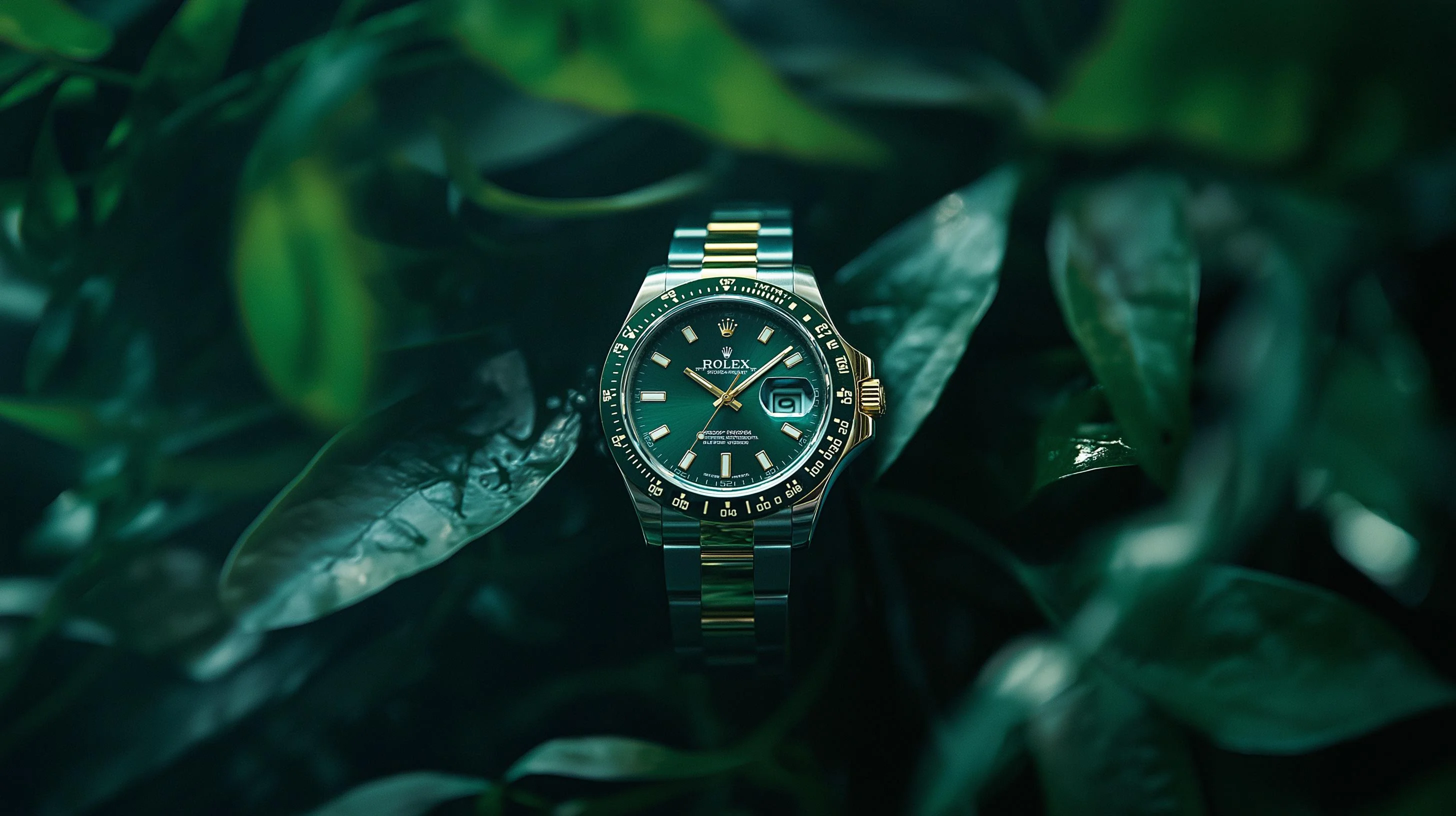
Selling luxury watches for cash in 2026 is straightforward when you combine accurate valuation, airtight authentication, and a secure transaction flow. The market has normalized after the pandemic-era spike, and buyers now reward originality, condition, and complete documentation over hype. This guide distills how to research your watch’s value, prepare it properly, choose the right selling channel, and get paid securely, whether you’re moving a modern steel sports model or a complicated vintage piece. If you prefer a discreet, pressure-free alternative to public marketplaces, a trusted private buyer like Antwerp Diamonds provides transparent valuations, no hidden fees, and fast payouts.
Understanding the Luxury Watch Resale Market in 2026
By 2026, the luxury watch resale market has shifted from speculation to disciplined demand. Market normalization means prices are anchored to craftsmanship, originality, and data-driven demand rather than social hype, a direction noted in industry commentary on normalization and buyer behavior. In this environment, condition, provenance, and correct reference identification are the primary value drivers. Reference-level accuracy (down to exact reference, dial variant, and bracelet/end-link codes) helps buyers compare like-for-like sales and reduces disputes. This condition-first approach favors sellers who maintain documentation and keep pieces as original as possible, aligning with broader luxury watch resale trends and the priorities of high-end watch buyers in 2026.
Researching Your Watch’s Value and Market Liquidity
Start with objective data. Use online price histories and comparative tools to benchmark your exact reference against recent sales and active listings. Platforms that aggregate reference-specific prices, such as Chrono24 market data, can help you spot realistic ranges and timing. Cross-check with reputable dealer guides and certified pre-owned data to validate your expectations.
Market liquidity is the ease and speed with which your specific watch sells near fair market value. High-liquidity models (e.g., mainstream steel sports watches) usually move faster with tighter bid-ask spreads. Track recent sales across multiple platforms, note time-on-market, and adjust for factors like rarity, customization, or missing accessories, which can slow the sale or widen pricing dispersion.
Gathering and Organizing Essential Documentation
Assemble everything that substantiates authenticity and care:
Original box and warranty card
Purchase receipts or invoices
Full set of bracelet links and accessories
Service records and timing printouts
Manuals, tags, and any certificates
Completeness, the presence of original packaging, accessories, and paperwork, can meaningfully boost value; complete sets often command 15–30% higher offers, as outlined in the Bob’s Watches market guide. While not every trade requires a full set, missing papers can reduce buyer confidence and elongate negotiations in today’s data-driven market.
Authenticating Your Luxury Watch
Authentication is the most critical step in a safe resale. It protects you from claims after the sale and gives buyers confidence. Prioritize watch authentication basics: serial number verification, matching reference details, and consistency between the watch, paperwork, and service history. Present a genuine luxury watch with clear evidence. Buyers and platforms increasingly require it.
Key Authentication Checks
Use this six-point inspection before seeking offers:
Confirm serial and reference numbers and ensure fonts/locations align with known standards.
Inspect dial print quality, hands, and lume application for correct color, texture, and patina.
Examine case and bracelet finishing (edges, brushing, and polishing lines) for factory-correct geometry.
Check crystal, bezel, crown, and clasp engravings for placement and execution.
Verify movement origin and caliber: bridges, rotor engravings, and finishing should match the reference.
Match warranty card details to case/movement numbers; review service records for consistency.
High-resolution photos and reputable reference images help. For a visual walkthrough, see this watch authentication tutorial.
When to Use a Certified Watchmaker
Consult a certified watchmaker (a trained, credentialed professional who services and verifies luxury watches to factory standards) when the piece is rare, complicated, high value, or if any discrepancies arise. A written professional authentication can substantiate asking price, reduce buyer objections, and speed closing.
Choosing the Right Selling Channel
Your main options are specialized dealers, auction houses, and private/direct sales. Specialized secondary-market dealers and certified pre-owned programs typically offer stronger authentication, clearer pricing, and better liquidity than public marketplaces or pawn shops, as outlined in this dealer vs marketplace overview. Avoid hidden fees, vague timelines, or pressure tactics. If you want a discreet, transparent sale with expert valuations and fast payment, consider Antwerp Diamonds.
Dealers and Certified Pre-Owned Programs
A certified pre-owned program is a resale channel in which watches are validated, serviced, and sold by an authorized third party that guarantees authenticity. Dealers, including Antwerp Diamonds, often pay strongest for high-liquidity steel sports watches and flagship references from major brands, due to steady demand and market depth.
Advantages:
Fast completion and immediate liquidity
Professional authentication and accurate pricing
Secure payment and streamlined paperwork
Auction Houses for Rare Pieces
An auction house appraises, lots, and publicly sells luxury property to the highest bidder, ideal for rare or historically significant watches. Expect longer timelines and meaningful seller/buyer fees, but the right sale can maximize returns when documentation and provenance are exceptional. This path works best when the watch’s story is as compelling as the object.
Private Sales and Direct Transactions
Private selling can achieve strong prices and full control over terms, but it raises risks: market volatility, fraud, and payment issues. If proceeding:
Meet in safe, public or bank settings; for very high-value items, consider a secure facility.
Verify funds before transfer and document the transaction clearly.
Use bills of sale and identity verification to reduce disputes.
Preparing Your Watch for Sale
Small details influence speed and price:
Gently clean with a microfiber cloth and a soft brush; avoid harsh chemicals.
Remove personal data from smart or hybrid watches.
Photograph in natural light from multiple angles (case, dial, caseback, bracelet, clasp, movement if accessible), including serial/reference and accessory shots.
Address minor issues (bracelet sizing, superficial grime) but avoid unnecessary servicing if the watch runs well and timekeeping is acceptable.
Service Considerations and Preserving Condition
Over-polishing, excessive refinishing that rounds edges and softens bevels, reduces desirability. Typical service ranges from about $300 to $3,000, with complicated movements costing substantially more. Only service when needed or if documented maintenance meaningfully aids the sale. Preserve original finishes and disclose condition honestly.
Importance of Original Parts and Completeness
Collectors and dealers prefer original bracelets, unaltered dials, and undamaged bezels. Factory parts support value and trust, a consistent theme in 2026 market insights. Completeness can add 15–30% to offers, though exceptional vintage pieces may still trade strongly even without every accessory.
Important Items to Include:
Original box and outer sleeve: Confirms origin and boosts desirability
Warranty card/certificate: Ties watch to manufacturer; aids authentication
Purchase receipt/invoice: Establishes provenance and ownership
Full bracelet links and spring bars: Ensures fit; reduces buyer friction
Service records and timing reports: Documents care and performance
Manuals, hang tags, bezel protectors: Supports completeness premium
Extra OEM straps or buckles: Adds versatility and value
Appraisals or lab reports (if any): Assists insurance and resale
Ensuring Secure Transactions and Shipping
Protect your sale with process and paperwork. Use insured, trackable shipping with adult signature and verify buyer legitimacy before releasing the watch. An escrow service (a neutral intermediary that holds funds until both sides confirm satisfaction) can reduce non-payment risk, especially for remote deals.
Insured Shipping and Escrow Services
Follow this sequence to minimize risk:
Agree on price, scope of delivery (full set details), and inspection period in writing.
If remote, open an escrow transaction with clear release conditions.
Photograph the watch and all contents; pack with tamper-evident seals.
Ship via insured, trackable service with adult signature and declared value.
Buyer inspects within the agreed window; confirm acceptance through escrow.
Funds are released; only then conclude the transaction.
Confirming Payment Before Transfer
Confirm that funds have fully cleared in your account or escrow before handing over the watch. Red flags include requests for partial payment, unusual payment methods, pressure for rushed shipment, or reliance on screenshots or emailed “bank confirmations.” Do not release the watch on promises alone.
Building Relationships with Trusted Dealers for Future Sales
Long-term relationships with reputable buyers streamline future transactions. Consistent, transparent dealings with trusted firms like Antwerp Diamonds can lead to faster evaluations, stronger offers, and access to sourcing or trade-in opportunities. Keep organized records (receipts, service logs, and prior offers) to build your watch’s documented provenance over time.
Practical Tips for Maximizing Resale Outcomes
Treat watches like portfolio assets: let data, not hype, set your sales strategy.
Maintain full accessories and disclose flaws honestly to prevent returns or price renegotiations.
Don’t rush: time-on-market can improve outcomes for less liquid references.
Get multiple offers and cross-check market data to validate your target price and channel.
Frequently Asked Questions
How can I spot a fake luxury watch before selling?
Always confirm serial and reference numbers against paperwork, inspect the dial and case finishing closely, and verify weight/materials; when uncertain, seek a certified watchmaker’s report.
Which luxury watch models hold the best resale value in 2026?
Flagship steel sports models like the Rolex Daytona, Submariner, and GMT-Master II, along with iconic pieces from Omega and Tudor, remain strong, especially when complete with box and papers.
How much does servicing impact resale value?
Properly documented servicing can support value, but over-polishing or undocumented repairs can hurt collectability; service only when needed and keep all records.
What are the safest ways to sell a luxury watch in 2026?
Reputable dealers or certified pre-owned programs offer authentication, secure payment, and insured shipping with clear, pressure-free terms, which are ideal for safe, fast transactions.
How do buyer trends in 2026 affect luxury watch resale?
Buyers prize originality, well-kept condition, and strong provenance, with enduring demand for iconic brands and select independents that demonstrate long-term value retention.


