

A vintage watch valuation determines current market worth by weighing seven factors: brand, model, rarity, condition, originality, provenance, and market demand. If you want the most reliable number, a professional appraisal is the safest route because small details, especially condition and documentation, can shift value materially.
Most owners start in the same place. A watch comes out of a drawer, a safe, or an estate box, and the first question is simple: what is this worth if I sell it today? The harder question comes next: is that number an idealized auction headline, or a real-world cash offer from a buyer who has to authenticate, hold, and resell it?
That gap is where vintage watch valuation gets misunderstood. A family Rolex, Omega, Cartier, Patek Philippe, or Audemars Piguet may look impressive, but value doesn't come from age alone. It comes from what the watch is, how original it remains, how it has aged, what paperwork follows it, and what a knowledgeable buyer can support with current comparables.
Table of Contents
What Are the Key Drivers of Vintage Watch Value?
Brand and model
Rarity
Condition
Originality
Provenance
Market demand
The way these factors work together
How Do You Distinguish Valuable Patina from Damage?
What valuable patina looks like in practice
What crosses into damage
The questions I use at the bench
How Should You Prepare Your Watch for a Valuation?
What not to do before an appraisal
What you should gather and photograph
Where Can You Get a Professional Watch Valuation?
Local jeweler or general appraiser
Auction house
Specialist watch buyer
What a proper valuation should include
How Do Experts Determine a Final Offer Price?
The difference between market value and a cash offer
How documentation changes the number
How an appraiser builds the final figure
Frequently Asked Questions About Vintage Watch Valuation
Is it worth restoring my vintage watch before selling?
Can a non-working vintage watch still have value?
What's the difference between an insurance appraisal and a sale valuation?
Do I need the box and papers to get a good price?
Should I trust asking prices I see online?
What should I bring to an in-person valuation?
What are common red flags when selling a vintage watch?
Conclusion Get a Clear, Confident Valuation
What Are the Key Drivers of Vintage Watch Value?
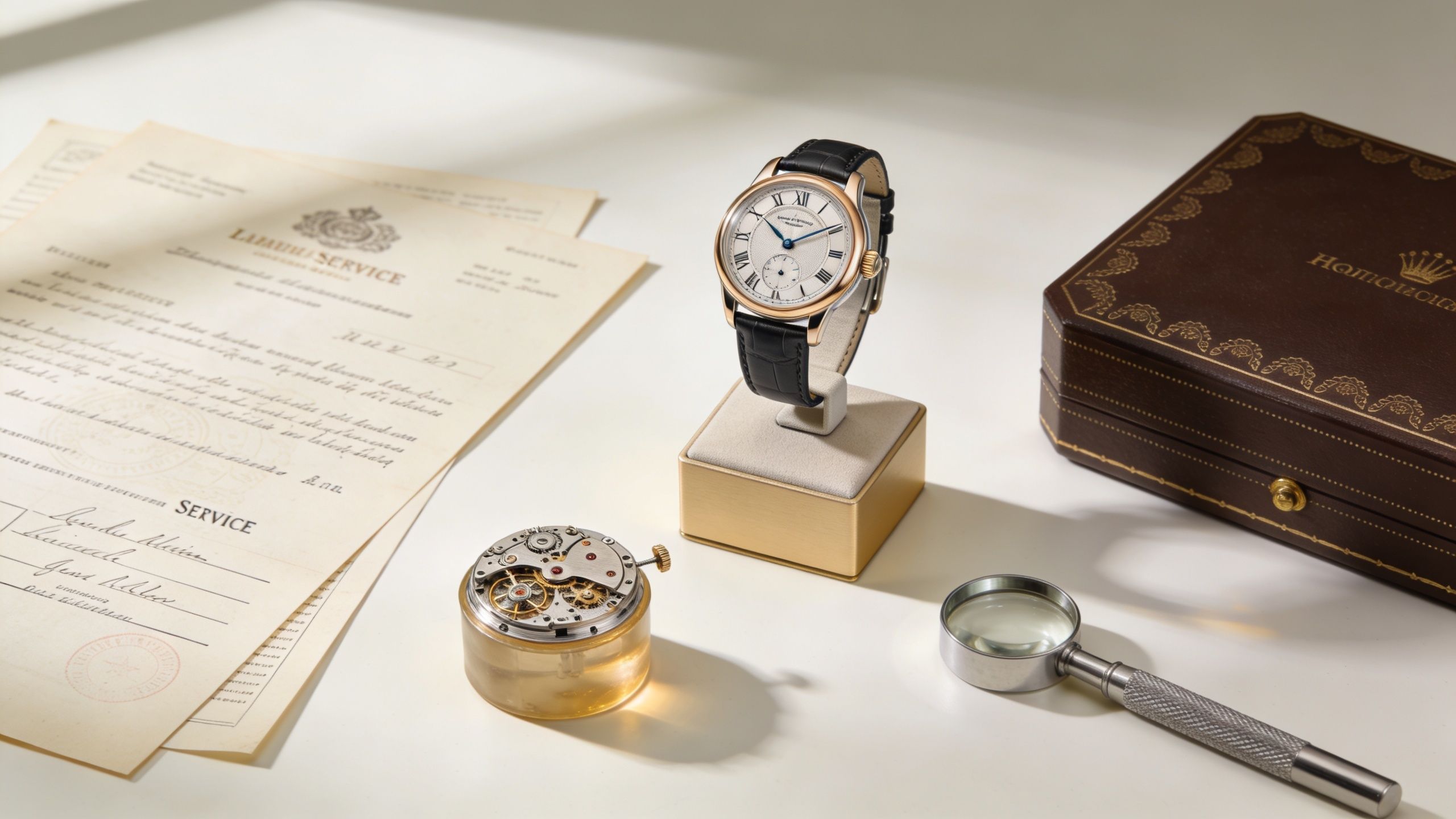
A client brings in his grandfather's watch after seeing a strong auction result for the same model online. The reference matches, but the value often does not. Auction headlines reflect an ideal buyer, ideal presentation, and fees on both sides. A real valuation asks a harder question. What would this specific watch bring, in its actual condition, with its actual paperwork, if sold through a channel available to you now?
That answer starts with identification and then gets more exact. An appraiser weighs brand, reference, rarity, condition, originality, provenance, and current demand together. The final number comes from how those factors interact, not from the name on the dial alone.
Brand and model
Brand affects demand, resale speed, and buyer confidence. Rolex, Patek Philippe, Cartier, Omega, and Audemars Piguet usually draw deeper interest than lesser-known makers because buyers understand the market for them and know what they are looking at.
Model and reference narrow the value further. A Rolex Datejust, Submariner, and Daytona can share a brand but sit in very different parts of the market. The reference number tells the appraiser what case, dial, hands, bezel, bracelet, and movement should be present. If the watch no longer matches that profile, the price changes.
Rarity
True rarity is more specific than low production. Many watches were made in modest numbers. Far fewer survive with the correct dial, unpolished case geometry, period bracelet, and movement parts that belong together.
That is why two examples of the same reference can separate sharply in value. One may be merely old. The other may be a genuine survivor.
Condition
Condition affects both collector value and cash offer value, but not in exactly the same way. Collectors may stretch for exceptional condition if the watch is hard to replace. A dealer making a cash offer has to price in service risk, resale time, and the chance that hidden issues appear once the case is opened.
Chrono24 notes in its guide to watch valuation and value retention factors that box, papers, condition, and originality all influence resale pricing. In practice, I look past surface shine. Sharp lugs, an honest dial, matching hands, and a movement free of corrosion matter more than a fresh polish.
Condition also ties directly to the patina question, which owners often misunderstand. Even, natural aging can support value. Stains, moisture damage, reluming, and overpolishing usually lower it. The distinction matters because the market pays for originality with age, not damage disguised as character.
Practical rule: A clean-looking watch is not automatically a better watch. Original surfaces and coherent aging usually matter more than cosmetic freshening.
Originality
Originality asks whether the visible and mechanical parts are consistent with the watch as it left the factory, or at least consistent with known period service replacements. Dial, hands, crown, bezel insert, bracelet, clasp, and movement components all count.
Many inherited watches lose ground at this stage. A redone dial may look brighter to a family member and weaker to a collector. A heavily polished case may look tidier in photos and less valuable in person because the metal that defined its shape is gone. The same preserve-first mindset applies to other valuables, including items covered in this guide on the best place to sell gold locally and securely.
Provenance
Provenance reduces uncertainty. Original box, warranty papers, purchase receipts, service records, archive extracts, and a credible family history all help support authenticity and ownership history.
Bob's Watches explains in its article on whether box and papers matter for Rolex value that complete sets often bring a meaningful premium over watch-only examples. The exact spread depends on the model, age, and how scarce complete examples are, but the principle is consistent. The more doubt you remove, the stronger the price tends to be.
Market demand
Demand changes faster than the physical traits of the watch. One reference may have steady global demand. Another may be respected but slow to sell, which affects what a buyer can pay today without holding it for too long.
Selling format matters too. An auction estimate can reflect the possibility of two determined bidders competing for a standout example. A direct cash offer reflects current wholesale demand, selling costs, service exposure, and the time required to place the watch with its next buyer. That gap does not mean one number is wrong. It means the numbers answer different questions.
The way these factors work together
No single factor decides value on its own. A rare reference with a refinished dial can trail a more common watch that remains original. Strong paperwork will not erase corrosion. A desirable brand helps, but it does not rescue poor condition or mixed parts.
Here is the framework an appraiser uses:
Factor | What the appraiser asks |
|---|---|
Brand and model | Is this a reference buyers already trust and actively seek? |
Rarity | Is this watch hard to replace in this exact configuration? |
Condition | How much honest wear, aging, or deterioration is present? |
Originality | Are the visible and mechanical parts correct for the reference? |
Provenance | Can authenticity, service history, and ownership be supported? |
Demand | If sold now, how many realistic buyers exist at each price level? |
A sound valuation turns those answers into a usable number. That number may sit below a headline auction result and above a scrap-style offer. The difference comes from context, risk, and the actual market for the watch in front of you.
How Do You Distinguish Valuable Patina from Damage?
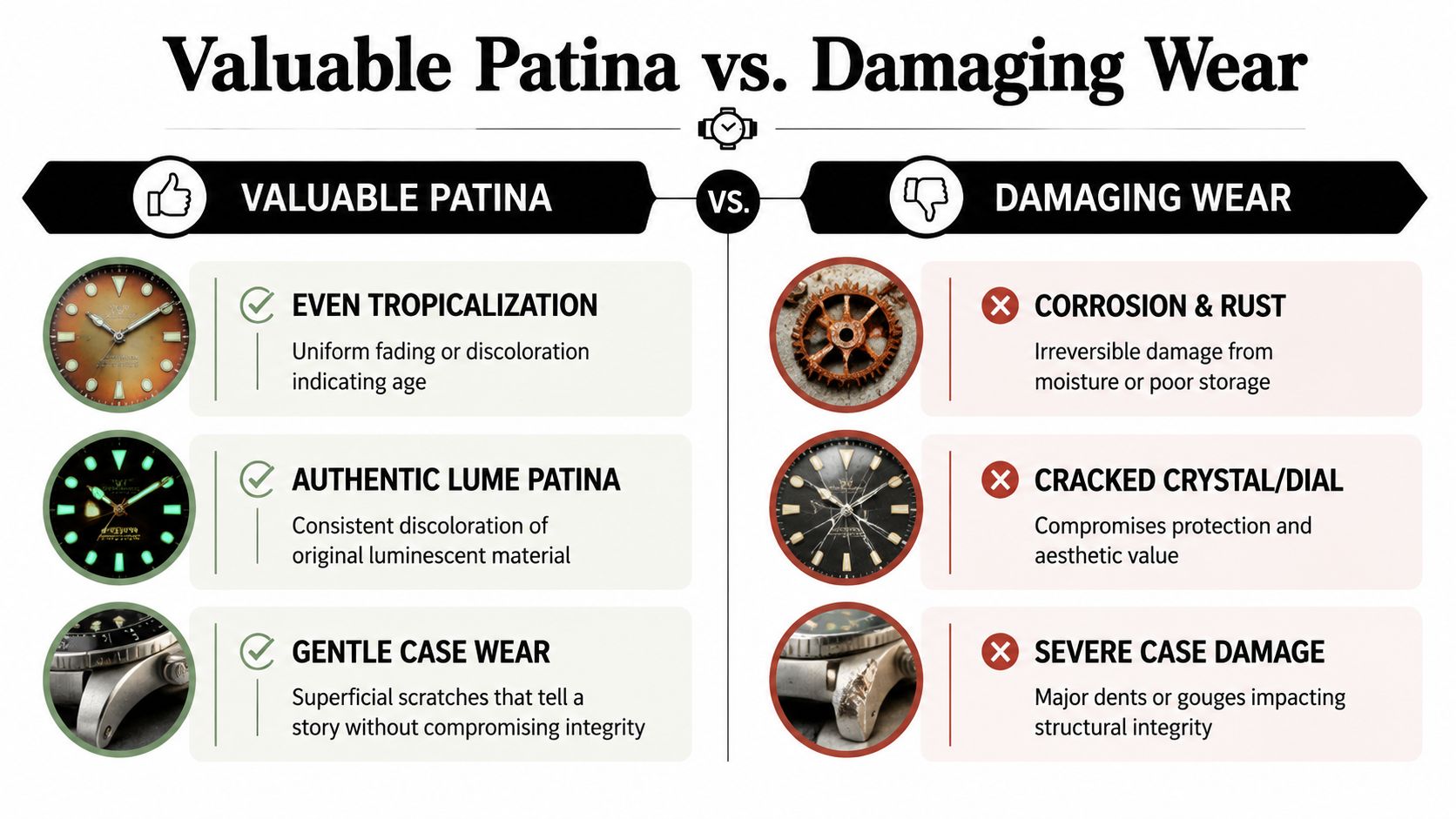
A client brings in his grandfather's watch. The dial has turned warm and speckled, the lume has gone cream, and the case shows years of wear. His first question is usually simple. "Is this character, or is it damage?" That answer often has more impact on value than the brand on the dial.
Patina supports value when it confirms originality and the watch still presents well to the market. Damage lowers value when it points to neglect, moisture, replacement work, or material loss. The hard part is that both can appear on the same watch, and an appraiser has to separate attractive age from costly problems before discussing any realistic cash number.
What valuable patina looks like in practice
Collectors pay for surfaces that age authentically. On a good example, the dial color changes in a way that looks stable and consistent, lume plots age at a similar pace, and the hands still belong visually to the dial. The case can show wear, but the lugs keep their shape and the factory lines remain readable.
Phillips regularly notes in vintage watch auction descriptions that tropical dials, even fade, and strong original lume can increase collector interest when those traits are natural and consistent with the reference. That matters in theory. In a real purchase offer, I still have to ask whether that same patina will be easy to explain and easy to place with the next buyer.
A beautiful tropical dial may headline an auction catalog. A dealer cash offer will usually stay more conservative because the buyer is taking on resale time, authenticity risk, and the chance that the next client sees "patina" as "damage."
What crosses into damage
Damage leaves evidence of instability or intervention. Moisture spotting, corrosion around the hands, lume that has flaked off, dial refinishing, heavy polishing, and mismatched replacement parts all weaken confidence. So do relumed plots that glow too brightly, printing that looks too fresh for the watch, or a case that has been polished until the original profile is gone.
The Horological Society of New York's guidance on watch conservation reflects the same principle. Original material should be preserved where possible because restoration can erase information collectors and appraisers rely on.
That distinction affects price quickly. Attractive age can support a strong valuation. Damage introduces cost, uncertainty, and negotiation room for the buyer.
The questions I use at the bench
I use three checks before I decide whether aging helps or hurts value.
Is the aging consistent? Even discoloration usually reads better than isolated black marks, tide lines, or random patches.
Do the parts agree with each other? Hands, dial, bezel, crown, and case should tell the same age story.
Has the watch lost original material? Rounded lugs, softened engravings, relume, redial work, and corrosion point to lost originality, not honest wear.
Here is the shorthand clients find easiest to follow:
Usually supports value | Usually lowers value |
|---|---|
Even dial fade | Water staining or spotting |
Stable original tritium lume | Relumed or missing lume |
Light case wear with crisp lines | Heavy polishing and reshaping |
Matching hands and dial color | Mismatched replacement parts |
Surface aging that looks stable | Rust, corrosion, or active deterioration |
Patina and damage also matter because they affect selling strategy. If the watch shows attractive, original aging, it may suit a collector-focused sale better than a fast commodity transaction. If you're comparing sale routes, this guide on how to sell high-end watches outlines how condition and buyer type change the outcome.
Clear photography helps here, especially for dial texture, lume color, and case edges. Good close-ups make it easier for a specialist to spot overpolishing, moisture marks, or original surface character. The same discipline used in automated workflows for e-commerce product images applies surprisingly well to watch documentation. Consistent lighting and sharp detail reduce guesswork.
The seller's instinct is often to improve the watch before showing it. In vintage valuation, untouched surfaces with explainable age usually produce more trust than a cleaner watch with altered parts.
How Should You Prepare Your Watch for a Valuation?
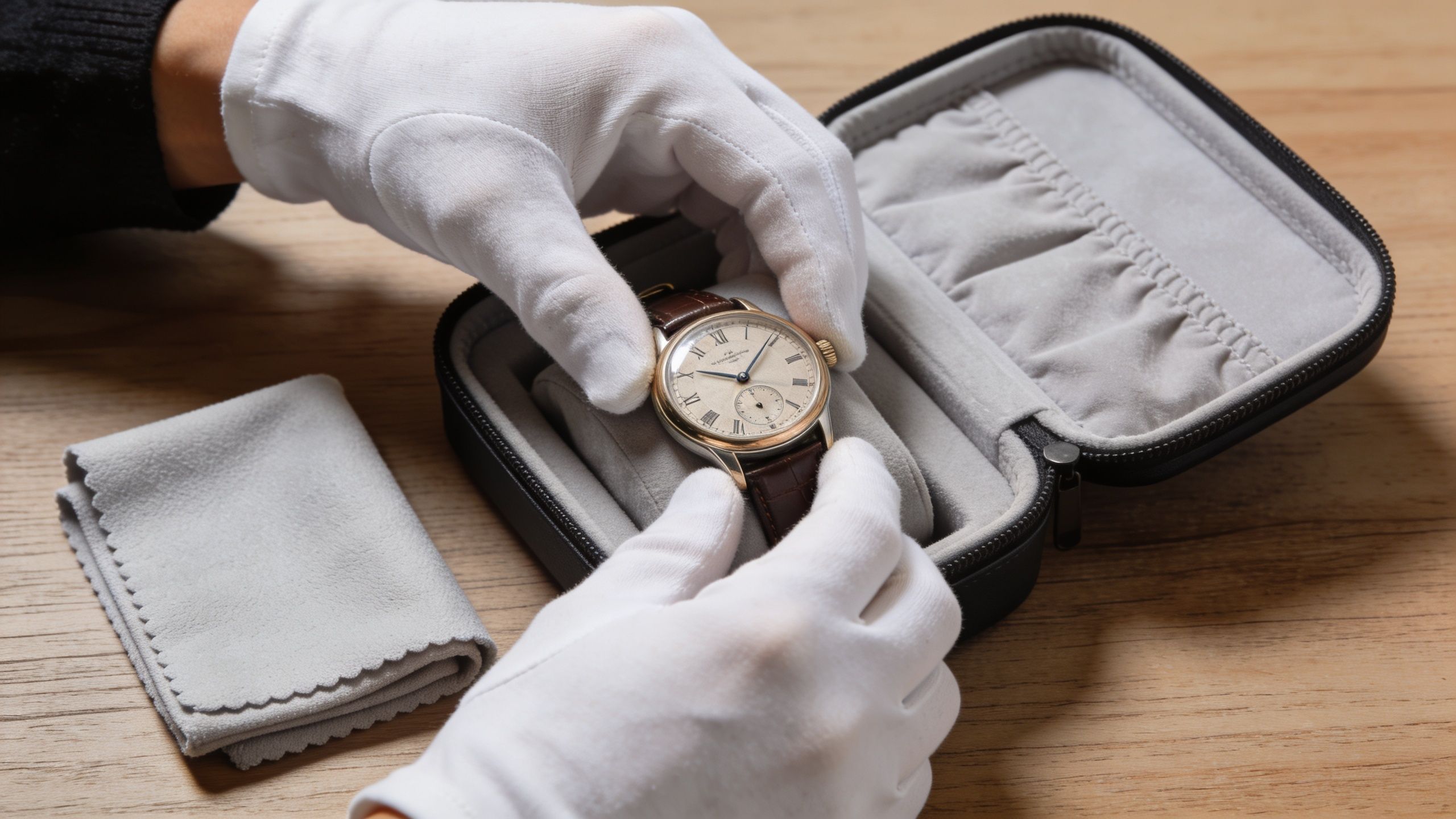
Preparation should be conservative. Your job isn't to make the watch look newer. Your job is to preserve evidence and present it clearly.
What not to do before an appraisal
Don't polish the case. Polishing removes metal, softens edges, and can erase the very geometry collectors inspect first.
Don't refinish the dial, replace hands, or swap crystals without advice from a specialist. Those choices may make the watch look cleaner to a casual eye while weakening originality to a trained one.
Don't rush into a generic service just because the watch isn't running. Some buyers prefer to inspect the watch in the state it was found, especially if the movement, dial, and hands appear original.
Avoid this mistake: "Fixing" a vintage watch before valuation often means paying to reduce its collector appeal.
What you should gather and photograph
The most helpful prep work is documentary. Gather the original box, papers, receipts, old service records, spare links, original bracelet, extra strap, and any family notes tied to ownership.
Take clear photos before you travel or ship. Front dial, side profile, case back, clasp, bracelet, paperwork, and any obvious wear should all be documented in good light. If you need a reference for making item photos cleaner and more consistent, this guide to automated workflows for e-commerce product images is useful because it shows how lighting, angle, and background affect clarity without over-editing the item itself.
A simple checklist helps:
Leave the watch as found: Wipe off loose dust gently, but don't attempt restoration.
Collect supporting material: Boxes, papers, invoices, and correspondence all matter.
Note what you know: Approximate purchase date, family ownership, and past servicing are worth mentioning.
Photograph accurately: Include flaws, not just flattering angles.
Bring every component: Bracelet links, buckles, hang tags, and old parts can help identify the watch correctly.
If you're planning to sell after the appraisal, this practical guide on how to sell high-end watches is a useful next step because it outlines what serious buyers typically want to review before making an offer.
Where Can You Get a Professional Watch Valuation?
Not every valuation route serves the same purpose. Some are best for insurance paperwork. Some are designed for maximum public exposure. Others are built for a direct, confidential sale.
Local jeweler or general appraiser
A local jeweler can be convenient, especially if you want an initial opinion in person. The limitation is specialization. A general jewelry appraiser may be very competent with diamonds and precious metals but less confident when a tropical dial, replacement crown, or period-correct bracelet enters the discussion.
This option can still be useful for a first screening, particularly if you're in Atlanta, Buckhead, Sandy Springs, Alpharetta, Roswell, Brookhaven, Midtown Atlanta, or elsewhere in Georgia and want someone to physically handle the watch before you decide what to do next.
Auction house
Auction houses are best for watches that are rare, highly collectible, and worth exposing to a broad audience willing to compete publicly. That route can produce strong headline prices for the right watch, but it also involves waiting, consignment procedures, catalog selection, and price uncertainty until the sale occurs.
Auction isn't always ideal for an heirloom owner who wants privacy or quick liquidity. It's a marketing channel, not just a valuation service.
Specialist watch buyer
A specialist buyer usually sits closer to the practical sale. This route tends to suit owners who want a clear answer, direct communication, and a prompt decision based on current resale logic.
The key is whether the buyer follows a structured process. According to The 1916 Company's explanation of professional watch appraisal, a proper valuation includes serial number verification, physical inspection of case integrity and dial originality, and movement assessment, and condition alone can create a 30% valuation variance between excellent and worn examples. That's why specialized inspection matters.
What a proper valuation should include
A useful professional valuation should cover the points below:
Identification: Brand, reference, approximate production period, and major visible features.
Authentication review: Serial checks, component consistency, and movement review.
Condition analysis: Wear, originality, service history, and any signs of restoration.
Market positioning: Whether the watch fits better as a collector piece, a wearable vintage example, or a parts-and-repair candidate.
Purpose clarity: Insurance, estate review, loan consideration, or direct sale all call for slightly different framing.
If you're comparing digital options before visiting anyone in person, this article on online watch buyers is helpful because it highlights what to ask before sending photos or shipping a watch.
How Do Experts Determine a Final Offer Price?
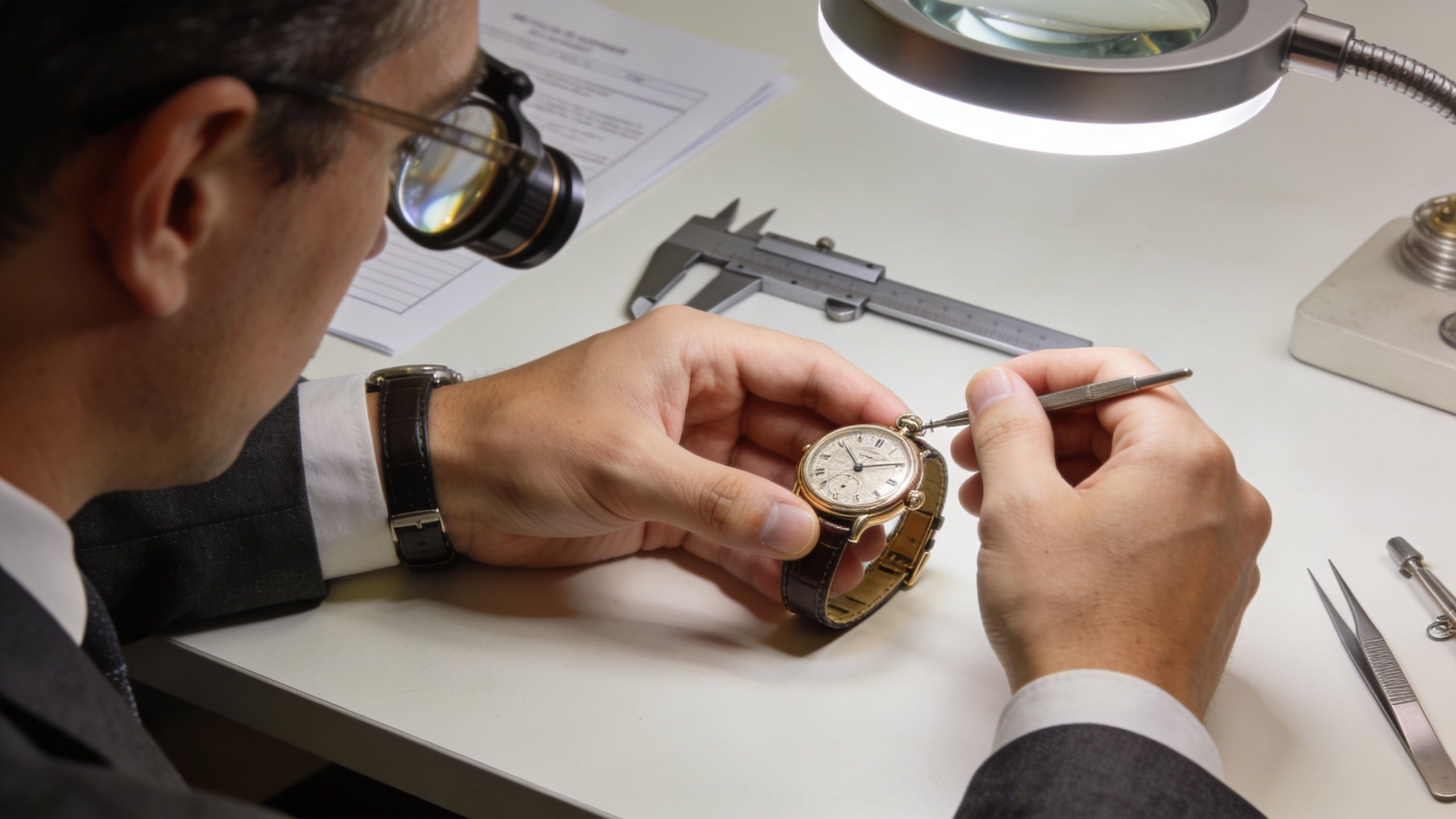
A client brings in a grandfather's watch after seeing a strong auction headline for the same brand. The first question is usually simple: "Why is your offer lower than that number?" The answer comes down to price context, risk, and what can be paid today for that exact watch.
The difference between market value and a cash offer
Auction results, dealer asking prices, insurance appraisals, and direct purchase offers all describe different numbers. They are useful, but they are not interchangeable.
An auction result can be lifted by two determined bidders, a desirable venue, fresh marketing, and a watch that presents unusually well in photos. A dealer listing may sit for months before it sells, if it sells at all. A cash offer has to account for authentication, possible movement work, time in inventory, and the margin needed for the next buyer to feel the watch is priced fairly.
The correct comparison is: what would a qualified buyer pay for this watch, in its present condition, with today's resale market in mind?
That distinction matters even more with vintage pieces. A tropical dial, honest case wear, or an untouched bracelet can support the price. Moisture damage under the dial, replacement hands, or an over-polished case can pull it down fast. On paper, two examples may share a reference number. In the trade, they can sit in very different value brackets.
How documentation changes the number
Box, papers, service receipts, and a traceable ownership history reduce doubt. Less doubt usually means a stronger offer.
Collectors pay for confidence. If the serials line up, the service history makes sense, and the accessories support originality, the buyer has fewer unknowns to price in. Full sets often bring a premium, sometimes a meaningful one, but the size of that premium depends on brand, reference, rarity, and how much the market cares about completeness for that specific model.
A watch without papers can still be desirable and saleable. It needs the watch itself to do more of the work.
How an appraiser builds the final figure
A serious offer is usually built in layers:
Identity and market position
Brand, reference, production era, metal, dial configuration, bracelet, and any special traits establish the correct comparison set.Originality and condition Experience proves vital in this area. Attractive patina can add character and collector interest. Damage creates cost and uncertainty. The appraiser has to decide which is which, then price accordingly.
Mechanical risk
A watch may run on the table and still need a full overhaul. Scarce parts, prior repair work, and movement condition affect the number because they affect what happens after purchase.Liquidity
Some references have a ready audience. Others are excellent watches that take longer to place. Time ties up capital, and the offer reflects that.Selling route
A dealer buying outright prices differently from an auction house estimating a hammer range or a retailer pricing for stock. Each route carries different costs and different upside.
In practice, I usually arrive at a range first, then narrow it once the watch's strongest and weakest points are clear. If the dial has appealing age but the luminous material has degraded in a way that suggests past moisture, that is not "patina" in the collector sense. If the case bevels are still present and the wear is honest, that supports value even if the watch is not cosmetically perfect. The final offer is a synthesis of those trade-offs, not a single formula.
A fair buyer should be able to explain the number in plain language. If you want to compare that valuation with a direct-sale route, this guide to selling a watch for instant payment gives a useful picture of how immediate-offer transactions are usually structured.
Frequently Asked Questions About Vintage Watch Valuation
Is it worth restoring my vintage watch before selling?
Usually, no. Cleaning, polishing, reluming, or refinishing before expert review can remove originality and make the watch less attractive to serious buyers. Let an appraiser see it first.
Can a non-working vintage watch still have value?
Yes. A watch can still matter because of brand, reference, originality, precious metal content, or collectible parts. Running condition helps, but a stopped movement doesn't automatically erase value.
What's the difference between an insurance appraisal and a sale valuation?
An insurance appraisal is often designed around replacement cost. A sale valuation focuses on what the current resale market is likely to support for that exact watch in its actual condition.
Do I need the box and papers to get a good price?
No, but they help. Original documentation strengthens authenticity and ownership history, which often improves buyer confidence and can improve the valuation.
Should I trust asking prices I see online?
Use them carefully. Asking prices show ambition, not completed transactions. They can still be useful as context, but they aren't the same as a funded offer.
What should I bring to an in-person valuation?
Bring the watch, all paperwork, extra links, original bracelet or strap, old service records, and any family background you know. Even small details can help the appraiser identify originality and market position.
What are common red flags when selling a vintage watch?
Be careful if a buyer avoids discussing serials, doesn't inspect condition closely, pressures you to polish the watch first, or gives a price without explaining the reasoning. Serious valuation is specific, not vague.
Conclusion Get a Clear, Confident Valuation
Vintage watch valuation isn't guesswork, and it isn't just about age or brand prestige. The definitive answer comes from a disciplined review of what the watch is, how original it remains, how it has aged, what documentation supports it, and what the current market will specifically bear.
For most owners, the biggest surprise is the spread between a theoretical top-end result and a practical sale price. That's normal. A real offer has to account for authentication, resale timing, and risk. The good news is that a transparent appraiser should be able to show you how those adjustments are made.
The smartest move is usually the simplest one. Don't restore the watch, don't overclean it, and don't rely on wishful online listings. Gather what you have, present it transparently, and let a specialist examine it in person or through a secure review process.
If you're sorting through several valuables at once, the same logic applies across categories. Originality, documentation, and current market demand matter whether you're reviewing a watch, jewelry, or precious metals, much like in this guide on where to sell platinum.
A clear valuation gives you options. You can keep the watch with better understanding, insure it properly, borrow against it where appropriate, or sell it with realistic expectations and less stress.
If you'd like a professional, no-pressure review, Antwerp Diamond offers confidential evaluations for luxury watches, jewelry, handbags, and other high-value assets. You can start with an online assessment or arrange a private in-person appointment in the Atlanta market, including Buckhead and nearby areas, to get a clear, evidence-based understanding of what your item is worth today.


