
Appraise My Diamond: Start With the Value That Matters
To appraise my diamond for a strong cash offer, start with its grading report and compare it with today's market prices - not the inflated number on an insurance appraisal.
What you need | What it tells you |
|---|---|
Lab report | The diamond's carat, cut, color, clarity, shape, and whether it is natural or lab-grown |
Current market data | What comparable diamonds are listed or trading for today |
Physical inspection | Condition, fluorescence, inclusions, treatments, and authenticity |
Buyer offer | The realistic cash resale value you may receive now |
A diamond grading report from GIA, IGI, or another recognized lab describes the stone. It does not assign a dollar value. An appraisal does assign value, but the right value depends on your goal: insurance replacement, fair market value, or immediate resale.
That difference is where many sellers get surprised. A retail replacement appraisal can be much higher than a cash offer because retail pricing includes store overhead, marketing, and margin. For a quick, discreet sale, the useful number is the current resale market value of your specific diamond and setting.
This guide explains how to read your paperwork, check a realistic value range, and understand when an online estimate is enough versus when an in-person gemologist inspection is worth it.
Step-by-Step Guide: How to Appraise My Diamond Accurately
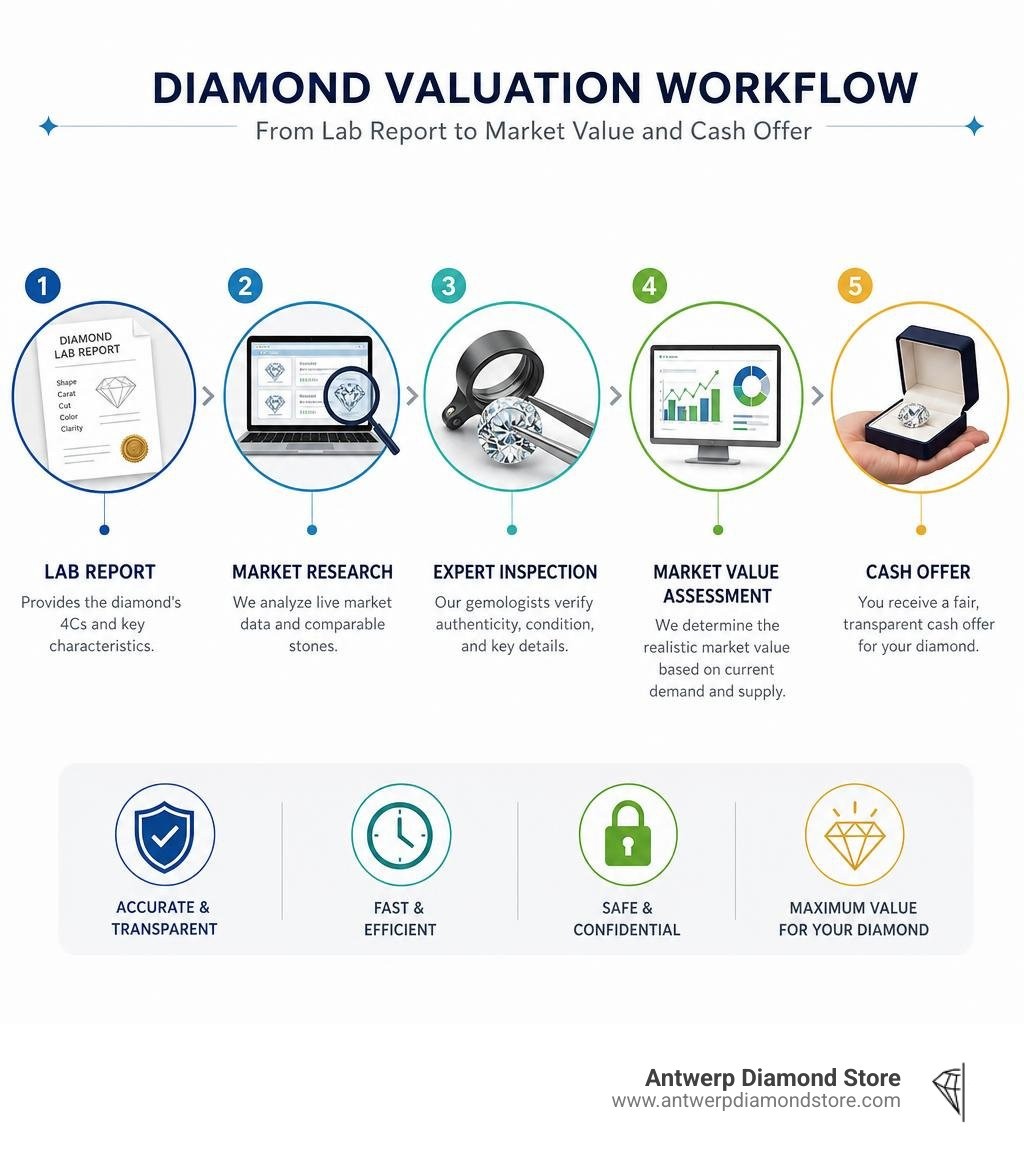
When you decide to appraise my diamond, having a clear valuation strategy helps you avoid common pitfalls. The appraisal process moves from establishing raw physical specifications to cross-referencing global market data and obtaining a final physical verification.
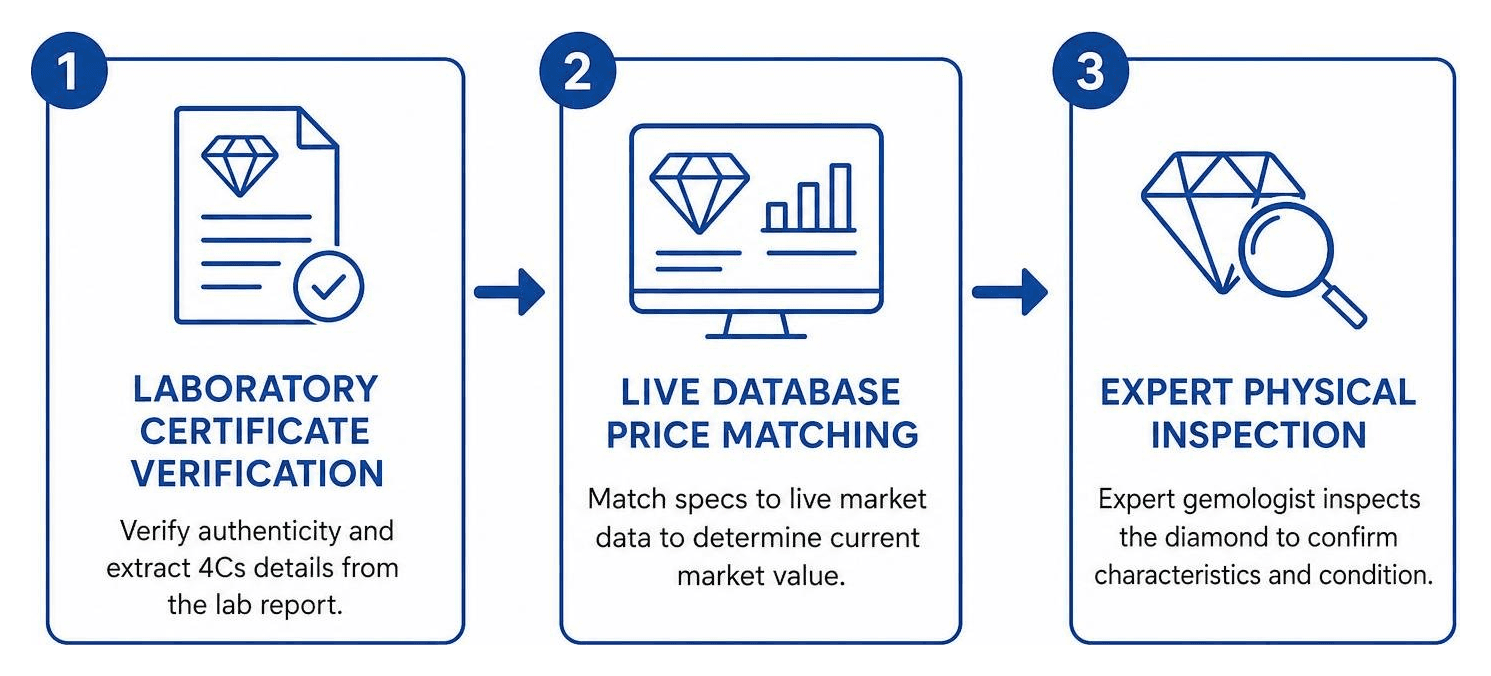
To establish an accurate baseline valuation before selling or insuring your stone, follow these steps:
Locate or obtain primary documentation: Gather any existing lab reports, grading certificates, purchase receipts, or past appraisal paperwork.
Identify key 4Cs specifications: Extract the exact carat weight, color grade, clarity rating, and cut parameters.
Run a preliminary calculation: Use a reliable diamond resale value calculator or external tools like a Diamond Appraisal Calculator - to set a realistic price expectation.
Account for setting and metal content: Calculate the melt or resale value of the gold or platinum mounting separately from the center diamond.
Get a physical verification: Consult a professional buyer or certified gemologist to confirm eye-cleanliness, sub-surface inclusions, and fluorescence.
Gather Your Grading Reports Before You Appraise My Diamond
Your highest-value asset during an appraisal is an independent laboratory grading report. Laboratories such as the Gemological Institute of America (GIA) or the American Gem Society (AGS) provide unbiased technical evaluations of your stone.
When reviewing your document verification paperwork, check these critical data points:
Carat Weight: Recorded to two decimal places (e.g., 1.01 ct). Even a 0.01-carat difference can alter valuation thresholds.
Color Grade: Ranging from D (colorless) to Z (light yellow or brown). Natural diamonds graded D through F command premium prices.
Clarity Rating: Ranging from Flawless (FL) down to Included (I1-I3). Pay attention to the clarity plot drawing showing inclusion locations.
Cut Quality: Evaluates proportion, polish, and symmetry. For round brilliant stones, an "Excellent" or "Ideal" cut grade maximizes brilliance and resale demand.
If you don't have a report, you can check your diamond certificate specs using mobile tools like the Diamond Check Ai App - App Store to analyze GIA details and plot metrics before scheduling an inspection.
Calculate Baseline Values with Online Appraisal Tools
Once you have gathered your diamond's technical specifications, you can establish an estimated retail range using market databases that aggregate live price updates. Modern digital pricing tools continuously track millions of live diamond inventory listings worldwide to provide dynamic fair-market metrics.
You can enter your stone's parameters into a free online appraisal tool to get an instant baseline estimate. These online valuation tools match your stone against thousands of active retail listings to establish a baseline. However, keep in mind that online calculators reflect retail listing asking prices, not the immediate cash offer a secondary buyer will pay you.
Diamond Appraisals vs. Grading Reports: Understanding Value Tiers
A common source of confusion among jewelry owners is mistaking a gemological grading report for a monetary appraisal. A grading report identifies physical properties without referencing money. A written appraisal assigns a financial figure based on a specific valuation tier.
Depending on the intended purpose of the valuation, your stone can have dramatically different calculated figures:
Valuation Tier | Typical Percentage of Retail | Primary Intended Purpose | Primary Audience |
|---|---|---|---|
Retail Replacement Value | 100% – 120% | Setting up scheduled personal property insurance policies | Insurance underwriters & claims adjusters |
Fair Market Value | 40% – 60% | IRS estate tax filings (Form 706), divorce property divisions, charitable gifts (Form 8283) | Tax authorities, estate executors, family courts |
Cash Resale / Liquidity Value | 20% – 50% | Immediate cash payout from wholesale dealers, jewelry buyers, or estate liquidators | Direct cash buyers, luxury brokers, pawn dealers |
Scrap Value | 10% – 15% | Damaged, chipped, or severely included stones valued strictly for raw material melt | Metal refiners & diamond recutters |
Retail Replacement Value vs. Cash Resale Value
Understanding how much to value a diamond ring requires distinguishing between replacement cost and immediate cash liquid value.
Retail Replacement Value reflects what it would cost to buy an identical stone brand-new at a high-end retail storefront today. Insurers intentionally use inflated estimates that include a replacement buffer to protect against economic inflation and precious metal market spikes over time.
In contrast, Cash Resale Value represents liquid secondary market price. It is the immediate cash offer you receive from a professional buyer or estate broker operating within wholesale margins.
Why Resale Value Is Lower Than Purchase Price
When owners ask us why their resale offer is lower than the original receipt, the answer comes down to economics and secondary market structure.
When you purchase a diamond ring at retail, the total price includes substantial operational overhead, including:
Prime retail store rent and showcase displays
High-stakes marketing campaigns and consumer advertising
Sales commissions and administrative staffing costs
Retail jeweler profit margins
Upon purchase, this operational markup—often called "retail leakage"—vanishes. When selling your ring back into the secondary market, secondary buyers operate on wholesale discounts. They must buy below current wholesale trade floors to cover re-inspection, recertification fees, inventory holding costs, and resale margin.
Online Appraisal Calculators vs. Professional Gemologists
Digital calculators provide rapid baseline figures, but they cannot replace a physical evaluation by an accredited gemologist.
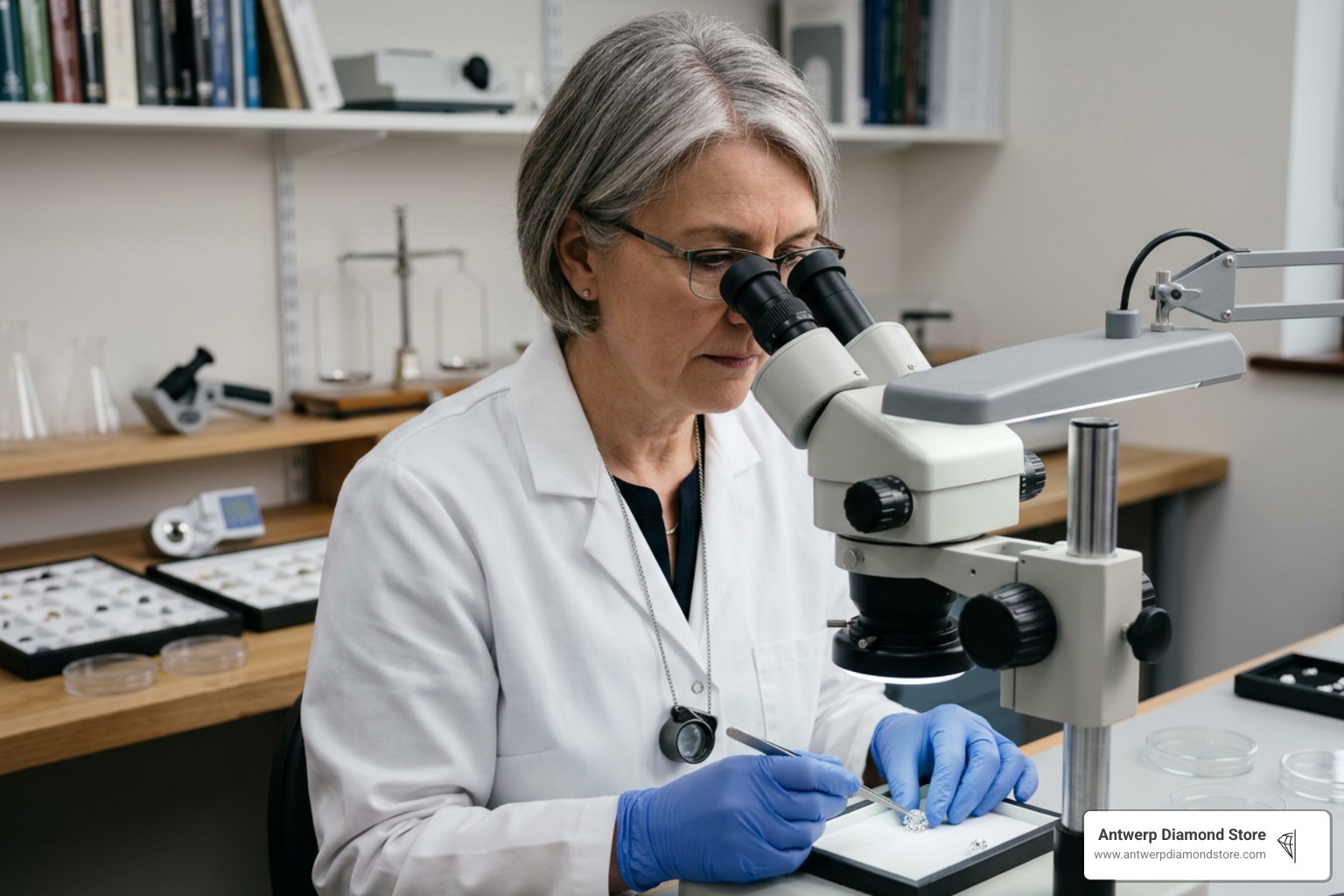
When to Appraise My Diamond Online vs. In-Person
Choosing between a digital tool and a certified physical evaluation depends on your primary goal:
Use a free preliminary online calculator when:
You want a quick ballpark estimate before deciding whether to sell.
You are setting a realistic budget before purchasing pre-owned estate jewelry.
You need to perform a fast reality check on inherited items.
Consult a certified gemologist or independent jewelry appraiser in person when:
You require legally binding documents for estate settlement, divorce proceedings, or IRS filings.
You need formal documentation to insure high-value pieces over $10,000.
Your diamond lacks a recognized GIA or AGS grading report.
You want to sell your ring discreetly for an immediate cash payout.
Cost and Limitations of Remote Valuation Tools
Remote photo evaluations and automated web tools offer speed and convenience, but they carry inherent physical limitations.
Traditional in-person appraisals typically cost between $50 and $200 per item, while advanced legal or tax appraisals range from $195 to $495 or higher. In contrast, basic online calculators are free. Specialized remote valuation options provide structured documentation within 7 to 10 business days for a fixed fee.
However, photo-based and remote tools face strict remote valuation limitations:
Fluorescence Detection: Photos cannot register whether a diamond fluoresces bright blue under ultraviolet light—a trait present in roughly 30% of natural diamonds that can lower value in top color grades (D-F) or boost value in lower color grades (I-M).
Inclusion Mapping: A camera lens cannot detect whether a microscopic inclusion touches the stone's surface, creating a structural fracture risk.
Cut & Polish Precision: Lighting and camera angles obscure subtle light leakage, crown angles, and pavilion depth ratios.
Metal Purity & Weight Verification: Remote tools cannot perform acid tests, XRF spectrographic scans, or precise gram weight measurements on mounting metals.
Identifying Real Diamonds vs. Lab-Grown and Simulants
Accurately evaluating a diamond requires verifying its physical composition. Today's secondary market includes natural diamonds, laboratory-grown diamonds, and advanced simulants like moissanite and cubic zirconia.
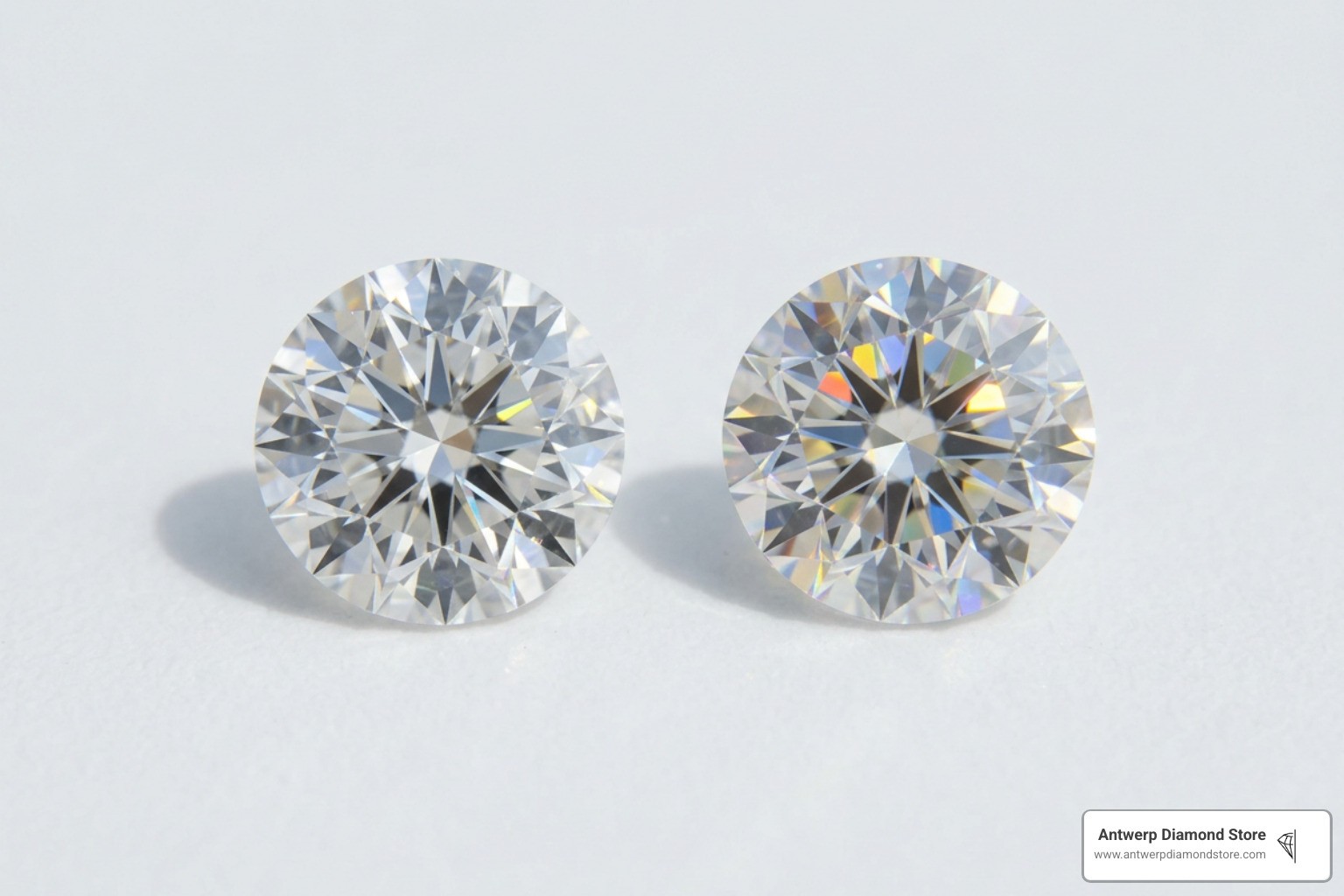
Distinguishing Natural Diamonds, Lab-Grown, and Moissanite
Natural diamonds formed over billions of years deep within Earth's mantle and consist of pure carbon arranged in a cubic crystal structure. Lab-grown diamonds are chemically, physically, and optically identical to natural stones, created in weeks using Chemical Vapor Deposition (CVD) or High Pressure High Temperature (HPHT) methods.
However, their resale market dynamics are drastically different:
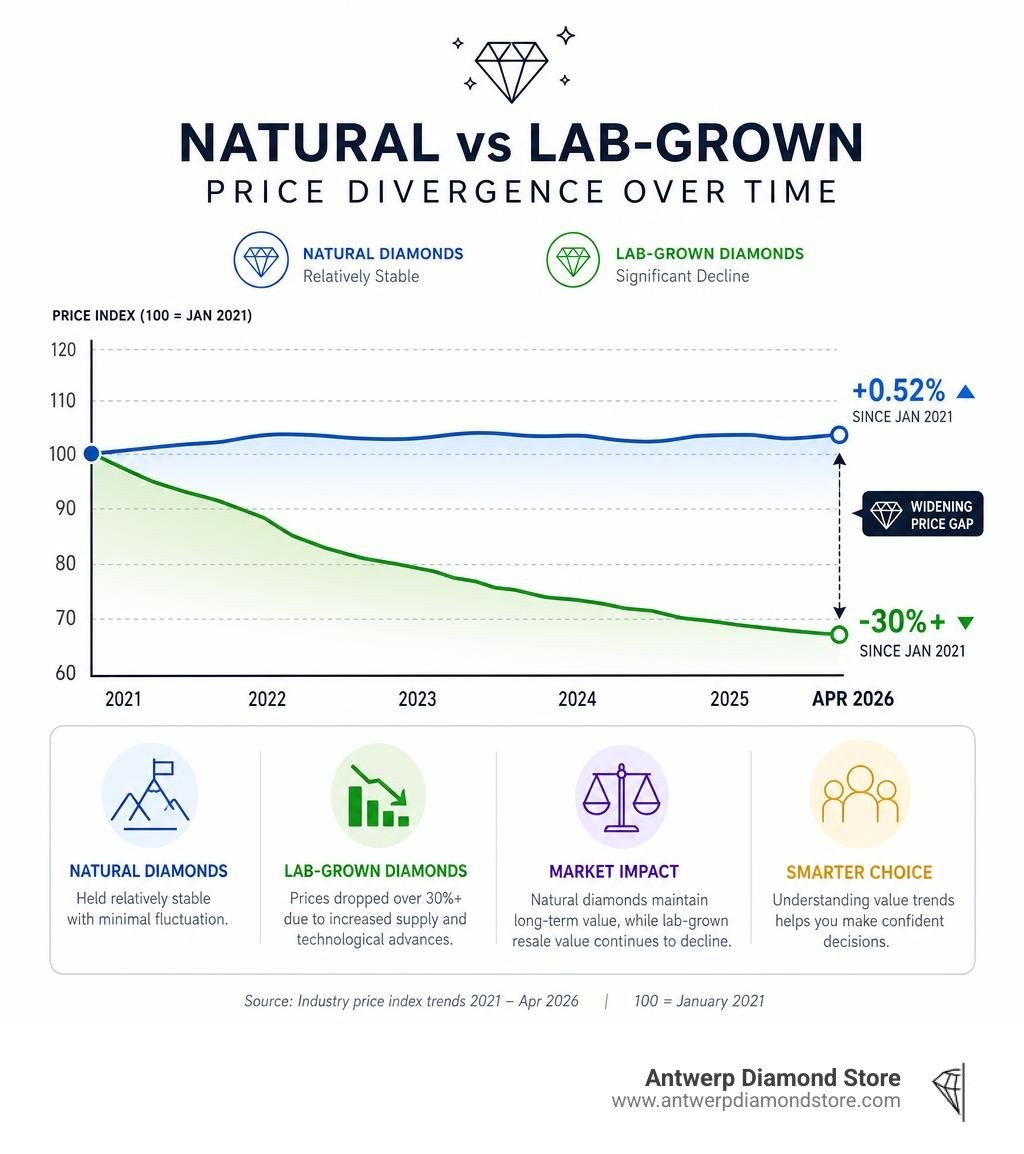
Over recent periods, natural diamond market prices have held relatively stable (rising slightly by +0.52% in recent monthly tracking), while lab-grown diamond prices have dropped over 30% due to technological advances and expanding manufacturing capacity. Because lab-grown diamonds can be produced in unlimited quantities, their secondary cash resale market is extremely limited.
Moissanite (silicon carbide) is a distinct mineral simulant. It scores 9.25 on the Mohs scale (compared to diamond's 10) and is doubly refractive. When you look through the side facet of a moissanite under magnification, facet edges appear doubled—a characteristic known as birefringence that instantly distinguishes it from singly refractive diamond.
At-Home Testing Methods and AI Screening
While professional gemological laboratory tools offer definitive answers, preliminary tests can help screen unknown stones:
Thermal Pen Testing: A dual thermal/electrical diamond tester is the most reliable home screening tool. Diamonds are exceptional heat conductors, transferring heat faster than cubic zirconia or glass.
The Fog Test: Breathe directly onto the stone. Moisture dissipates off a real diamond almost instantly, whereas simulants remain fogged for several seconds due to lower thermal conductivity.
UV Light Fluorescence: Expose the stone to long-wave UV light. If it glows blue, there is an approximate 30% chance it is a natural diamond (though lack of fluorescence does not indicate a fake).
AI Image Screening: Free digital tools like the AI Diamond Identifier – Identify Diamond Instantly with Photos screen high-resolution crown photos for adamantine luster, facet edge sharpness, and fire patterns to rule out common simulants like cubic zirconia or glass paste.
Frequently Asked Questions About Diamond Appraisals
Can I use an online appraisal for insurance or court proceedings?
No. An automated or photo-based online estimate serves purely informational purposes. Insurance companies, probate courts, and the IRS require formal, written appraisal documents compliant with the Uniform Standards of Professional Appraisal Practice (USPAP). For legal, tax, or official insurance claims, review our detailed guide on how to appraise jewelry to ensure your documentation meets underwriter requirements.
How much does a professional diamond appraisal cost?
Traditional in-person appraisals typically cost between $50 and $200+ per piece. Formal written appraisals from certified independent gemological appraisers usually start at $195 for standard insurance documents and $295+ for advanced tax or estate filings (IRS Form 706 / 8283). Volume collection appraisals can range from $695 to several thousand dollars depending on the size of the estate.
What information do I need for an accurate online valuation?
To receive an accurate estimate from an online valuation calculator, you need exact details from a recognized grading certificate:
Origin (Natural vs. Lab-Grown)
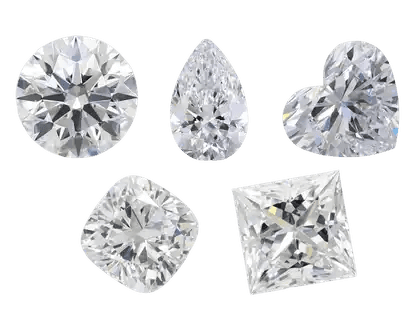
Shape (Round, Oval, Princess, Cushion, Emerald, etc.)
Exact Carat Weight (e.g., 1.24 ct)
Color Grade (D through Z)
Clarity Grade (FL down to I3)
Cut Grade (Ideal, Excellent, Very Good, Good, Fair, Poor)
When managing inherited pieces without paperwork, exploring an estate jewelry appraisal can help identify precious metal hallmarks and gemstone attributes before selling.
Conclusion
Determining the true value of your diamond doesn't have to be confusing. By separating your laboratory grading details from inflated retail appraisals, you gain a clear, realistic picture of your stone's market-based pricing. Online calculators and AI screening apps are convenient starting points for baseline estimates, but when you are ready to sell, nothing replaces an expert physical evaluation by trusted professionals.
When you are ready to explore where to sell fine jewelry for maximum cash return, our team at Antwerp Diamond Store provides free evaluations, complete price transparency, and instant cash payouts in a private, discreet environment. Contact us today to schedule your private consultation and discover what your luxury jewelry is truly worth.