

The best places for high-value sales are specialized buyers such as Antwerp Diamond, reputable auction houses, and private collectors, because these channels typically return 50% to 90% of market value depending on the item and sale format. Pawn shops and some local jewelers are usually faster, but they often pay only 20% to 40% of true market value.
If you're holding an engagement ring, a signed Cartier bracelet, or an inherited diamond necklace and wondering where to sell fine jewelry, the essential question isn't just where. It's how much value you're willing to trade for speed, convenience, and certainty. Most sellers don't need a list. They need a framework that helps them choose the right channel without leaving money on the table or exposing themselves to avoidable risk.
Table of Contents
Your Guide to Selling Fine Jewelry
How to Prepare Your Jewelry for a Top-Value Sale
Gather the paperwork first
Clean carefully and photograph honestly
Know what not to fix
A Detailed Comparison of Jewelry Selling Options
The speed versus value framework
Selling channel comparison
Which option fits which seller
Why a Specialty Buyer Offers a Unique Advantage
Why expertise changes the offer
When this option makes the most sense
Selling Safely and Avoiding Common Pitfalls
Red flags that should slow you down
How to protect yourself in remote transactions
Frequently Asked Questions About Selling Jewelry
Can I sell broken or damaged fine jewelry?
Is it better to sell my jewelry online or in person?
How is a diamond valued if I don't have a certificate?
Should I clean jewelry before bringing it in?
What if I inherited several pieces and don't know what's valuable?
Do I owe taxes when I sell jewelry?
Making Your Final Decision and Taking the Next Step
Your Guide to Selling Fine Jewelry
A client opens a safe deposit box, pulls out a diamond ring, and asks the question I hear every week: “Should I sell this fast, or should I hold out for more?” That is the essential decision. Sellers lose money less because their jewelry lacks value and more because they choose a channel that does not match their timeline, risk tolerance, or the kind of piece they own.
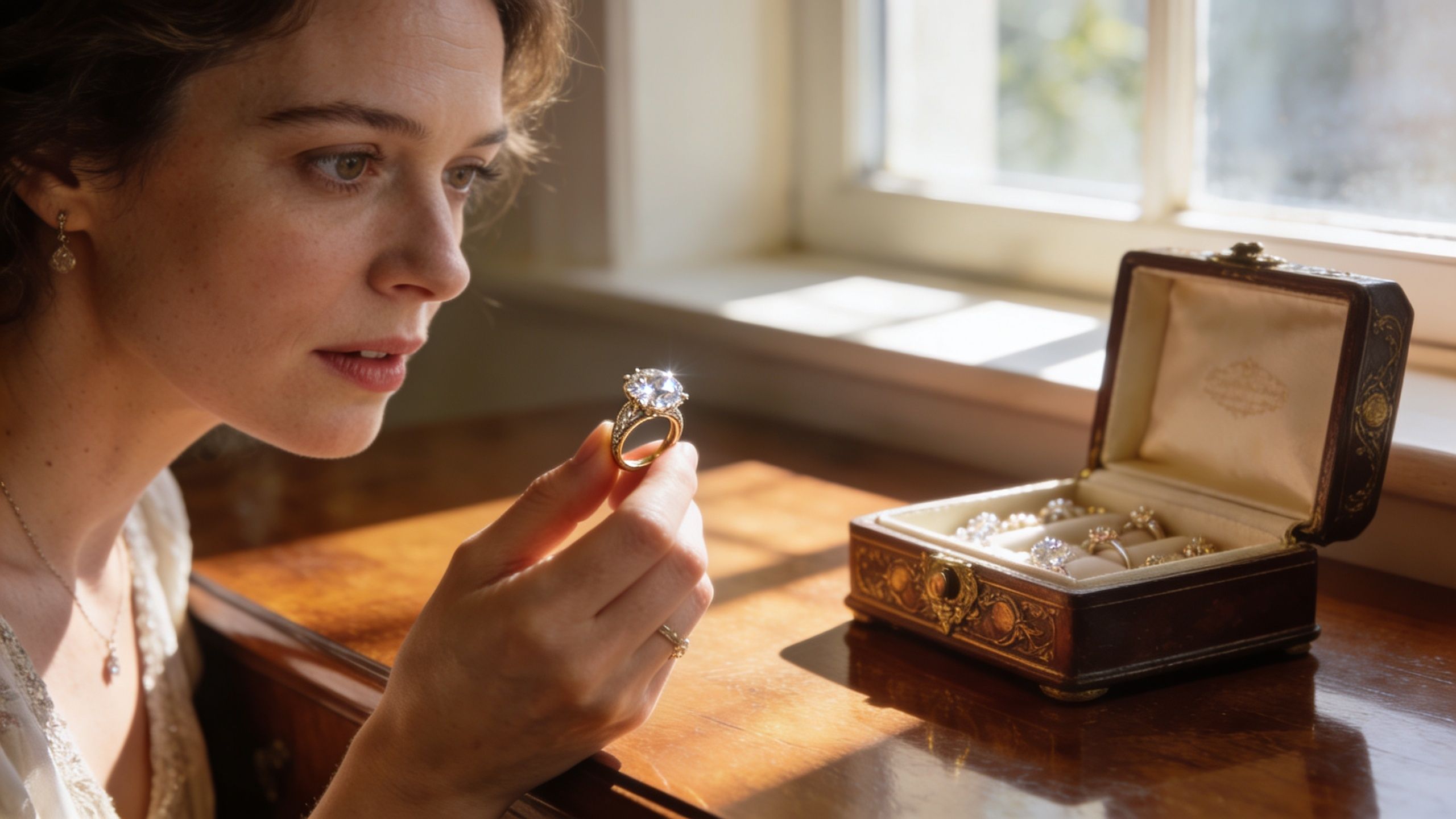
I have seen the same mistake play out many times. Someone brings a signed designer ring to a gold buyer and gets an offer based mostly on metal weight. Another seller lists a plain gold chain privately, waits weeks, fields unreliable messages, and ends up accepting less than a straightforward dealer offer would have been. The wrong selling path can cost you either time, money, or both.
A better way to decide starts with one question: are you optimizing for speed, price, or convenience? Private sales can produce the highest return, but they require patience, buyer screening, and a tolerance for negotiation. Auction houses can make sense for rare, signed, or period pieces, especially when provenance is strong, but timing and fees matter. Specialized buyers often sit in the middle. They can recognize value beyond scrap and still provide a direct sale process. Pawn shops and walk-in gold buyers usually pay fastest, but they often price to protect a wide resale margin.
The piece itself should drive the strategy. A Tiffany & Co. diamond ring, an estate sapphire bracelet, and a broken gold necklace belong in different channels because buyers value them differently. If you are sorting mixed items, this guide on the best place to sell gold helps separate scrap-oriented pieces from jewelry that deserves a brand or gemstone premium.
Presentation also affects the first round of interest, especially if you are requesting remote offers. Clear, honest images help a buyer assess condition, hallmarks, and overall saleability before quoting. Some sellers even experiment with tools for streamlining product photos with AI, though accuracy still matters more than polish in a jewelry sale.
Use this article as a decision framework, not a generic list of outlets. The best place to sell fine jewelry depends on how quickly you need funds, how much work you are willing to do, and whether your piece should be valued as scrap, branded jewelry, or a collectible asset.
How to Prepare Your Jewelry for a Top-Value Sale
Preparation affects confidence, and confidence affects offers. Buyers pay more comfortably when they can verify what they're seeing, trace provenance, and assess condition without guessing.
Gather the paperwork first
Start with documents before you clean, photograph, or request offers. For diamond jewelry, look for grading reports such as GIA or AGS paperwork if you have it. For signed pieces, gather original receipts, service records, branded boxes, previous appraisals, and any repair history.
What matters most is credibility. A buyer evaluating a Cartier ring or Tiffany & Co. solitaire will look more favorably at a piece with consistent documentation than one with a vague backstory and no paper trail.
Use this checklist before you contact anyone:
Find grading reports: Diamond certificates help confirm identity and quality.
Collect proof of purchase: Receipts and invoices support provenance.
Keep branded packaging: Boxes and paperwork can strengthen buyer confidence for designer pieces.
Save repair records: Honest service history is better than unexplained changes.
Write down what you know: Note the metal stamp, designer signature, ring size, and any known stone details.
Clean carefully and photograph honestly
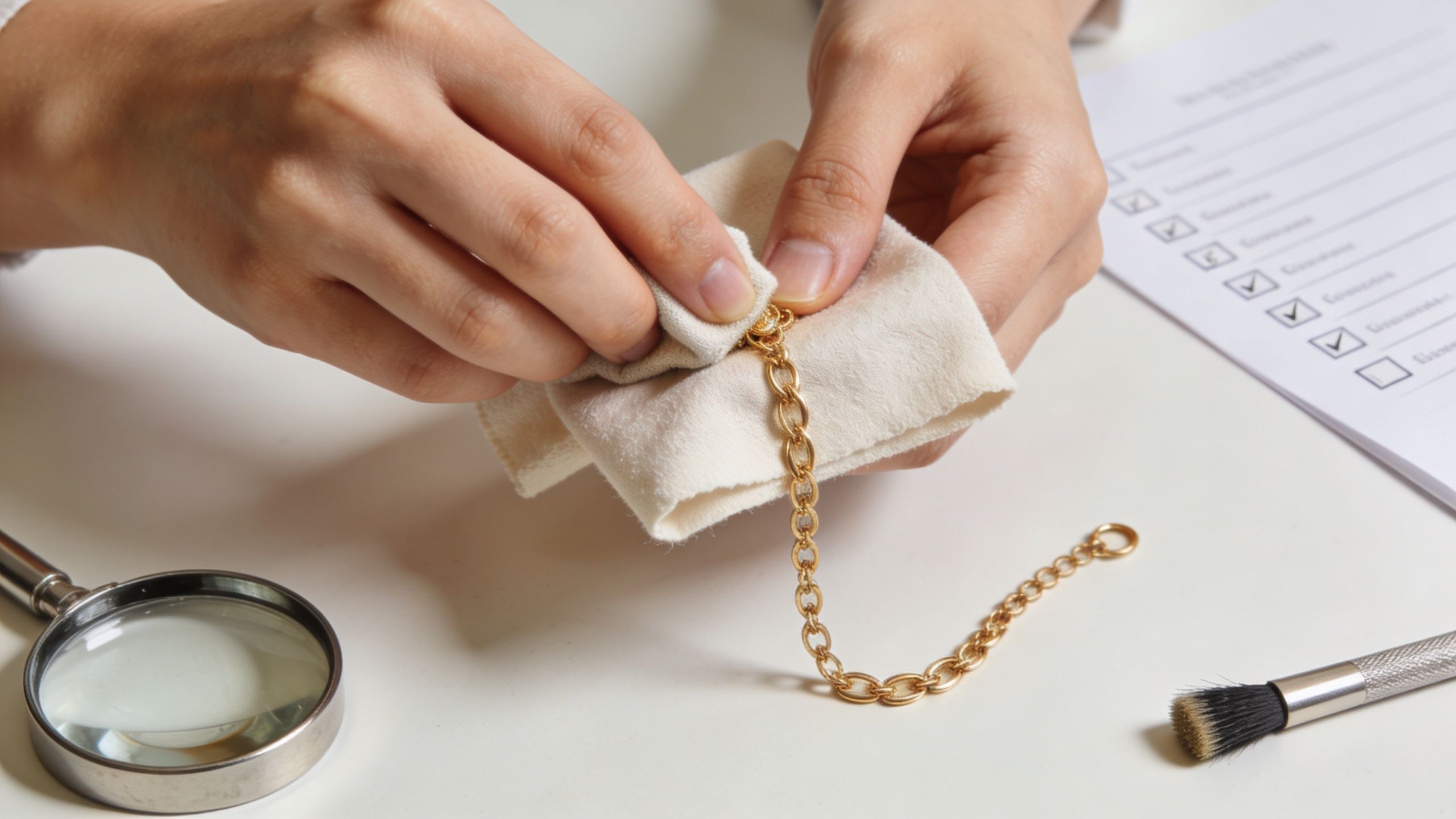
Basic presentation helps, but aggressive cleaning can hurt a piece. Use a soft cloth and avoid harsh chemicals, ultrasonic cleaning, or polishing compounds unless you know the stone and setting can safely handle them.
Photos matter most when you're requesting remote evaluations. Take clear shots of the front, back, clasp, hallmarks, side profile, and any inclusions or wear. If you need better listing images, especially for online resale, resources on streamlining product photos with AI can help you present details more clearly without overediting the item.
A short walkthrough can also help if you're unsure how professionals handle jewelry care before sale:
Clean enough to show the piece clearly. Don't clean so aggressively that you alter patina, damage prongs, or make an old repair look new.
Know what not to fix
Many sellers spend money in the wrong place. They resize rings, replace missing accent stones, polish vintage surfaces, or replate metal before getting an offer. That can backfire.
A specialty buyer, estate jeweler, or auction specialist may prefer original condition over cosmetic intervention, especially with older or signed pieces. Over-restoration can weaken collector appeal because it removes evidence of originality.
A better approach is to disclose issues and let the buyer decide how they affect value. The same logic applies when selling related estate items. If you're sorting inherited household silver along with jewelry, a guide on how to sell silver flatware can help you decide what should be weighed, appraised, or separated for individual resale.
A Detailed Comparison of Jewelry Selling Options
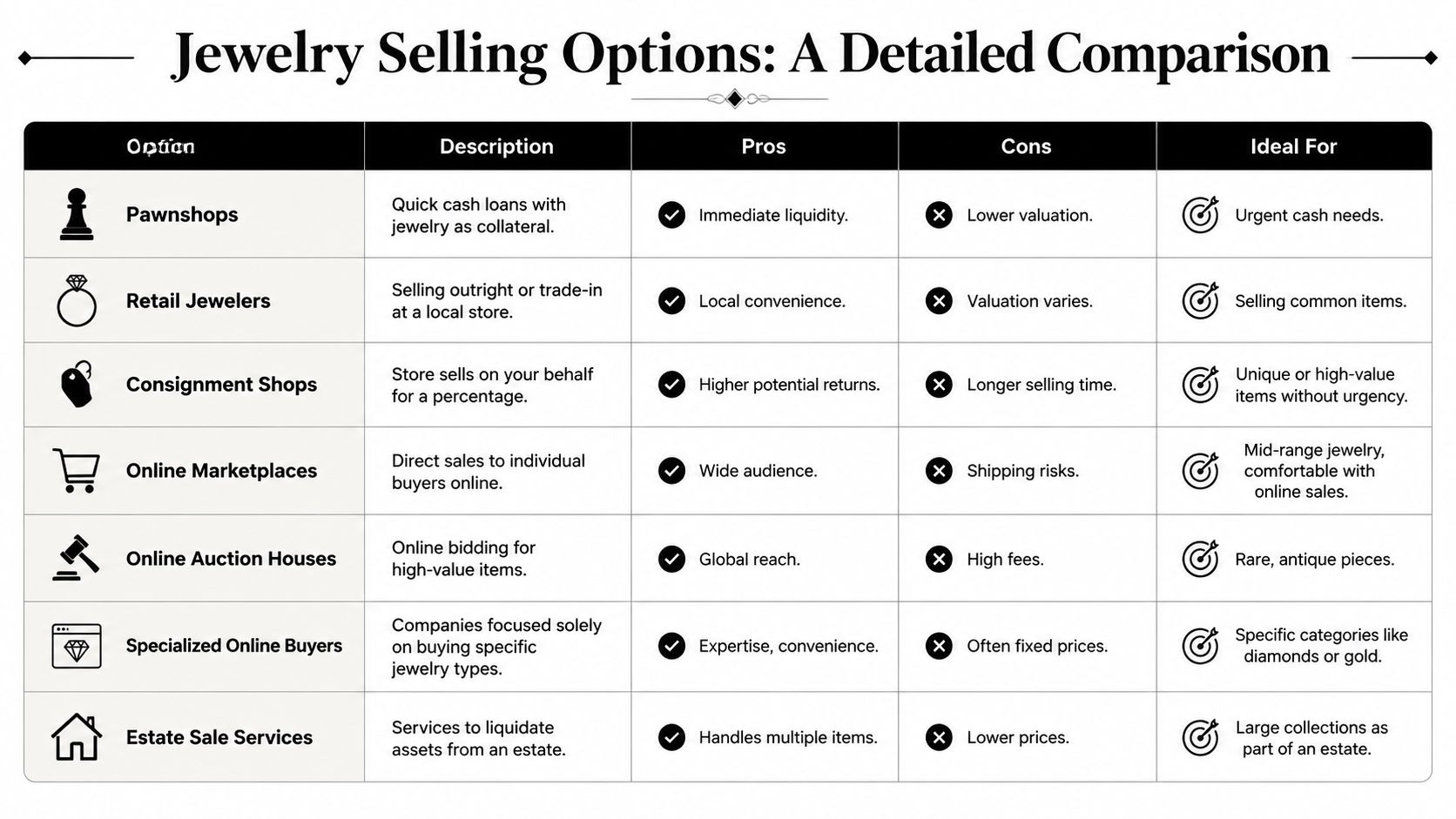
A seller with a Cartier bracelet and a seller with a broken gold chain should not use the same exit strategy. The right channel depends on one question first: do you care more about speed, or about pushing for the highest net result?
The speed versus value framework
Published resale ranges stay broad because jewelry is not one market. A signed Van Cleef ring, a modern GIA-graded diamond, and a plain 14k bracelet draw different buyers, different margins, and different timelines. As noted earlier, private sales and strong auction placements can bring the highest recovery. Fast-cash channels usually pay less because the buyer is pricing in holding time, authentication work, repair risk, and resale margin.
That is the trade-off to keep in view. Higher potential value usually means more waiting, more screening, and more effort from the seller. Faster payment usually means accepting a discount in exchange for certainty.
Selling channel comparison
Option | Payout potential | Speed to payment | Seller effort | Risk level | Best fit |
|---|---|---|---|---|---|
Private collector or known buyer | High | Usually slower and less predictable | High | Moderate | Rare pieces, signed jewelry, strong network |
Auction house | High | Slower | Moderate | Lower with established firms | Antique, branded, or unusual pieces |
Specialized jewelry buyer | Mid to high | Faster | Low to moderate | Lower with clear procedures | Diamonds, designer jewelry, luxury watches |
Consignment platform or luxury reseller | Moderate | Slower | Low after intake | Moderate | Sellers who can wait for the right retail buyer |
General online marketplace | Variable | Variable | High | Higher | Sellers comfortable with listings and buyer communication |
Local jeweler | Low to moderate | Fast | Low | Moderate | Common pieces, trade-ins, convenient local sale |
Pawn shop | Low | Fastest | Low | Moderate | Urgent cash needs |
The table helps, but the decision gets clearer when you look at how each channel behaves in practice.
Private sales can produce an excellent result if the piece is easy to explain and the buyer already trusts what they are seeing. They also create the most work. You handle photos, proof of authenticity, negotiation, payment terms, and personal security.
Auction houses are strongest when the piece has a story the market will pay for. Signed jewelry, period pieces, natural pearls, unusual colored stones, and estate items with collector demand fit that model well. The risk is not fraud so much as timing and fees. If bidding is thin, your net can disappoint even when the piece is good.
Specialized jewelry buyers tend to sit in the practical middle. They are often much faster than consignment or auction, but they may still pay for brand, stone quality, and workmanship rather than reducing everything to metal weight. That matters for diamond jewelry, signed pieces, and luxury watches.
Consignment works for sellers who are patient and want retail exposure without managing every inquiry themselves. Dover Jewelry explains in its consignment guidance that specialized luxury platforms can outperform general marketplaces because the audience is more targeted. The trade-off is time. Your item has to wait for the right end buyer.
General online marketplaces offer control, but control comes with labor and exposure. You write the listing, answer repetitive questions, manage shipping, and absorb more dispute risk. This route suits sellers who are organized, comfortable documenting condition, and able to separate serious buyers from casual ones.
Local jewelers are mixed. Some make fair offers on resalable pieces. Others are effectively buying for scrap or trade inventory. A local offer is useful as a baseline, not as the only number you collect.
Pawn shops serve one purpose well. They convert jewelry to cash quickly. If time pressure is severe, that service has value. If maximizing proceeds is the goal, they are rarely the first place I would send a client.
If you plan to ship items to any buyer or platform, pack them like fragile valuables, not everyday accessories. Using materials designed for wrapping up fragile ornaments can help protect delicate settings, pearls, and vintage finishes while in transit.
Which option fits which seller
A simple framework works well.
Choose private sale or auction if the piece is rare, signed, or collector-driven, and you can tolerate delays in exchange for stronger upside.
Choose a specialized buyer if you want a serious offer without spending weeks managing the sale yourself.
Choose consignment if you are comfortable waiting for retail exposure and you do not need immediate liquidity.
Choose a local jeweler or pawn transaction only when convenience or speed matters more than stretching for the top number.
One caution deserves repeating in a different way. A diamond ring with a recognized lab report, an important maker's mark, and original paperwork should not be priced like generic scrap. The same goes for mixed-metal pieces, especially platinum, where composition changes the resale path. If that applies to your item, review this guide on where to sell platinum jewelry before accepting a general offer.
For sellers in Atlanta, Buckhead, Roswell, Sandy Springs, Alpharetta, Brookhaven, and Midtown Atlanta, the practical advantage is optionality. You can compare in-person evaluations with remote quotes and choose the point on the speed-value curve that fits your situation.
Why a Specialty Buyer Offers a Unique Advantage
A specialty buyer sits in the middle of the market in a useful way. You don't wait through the open-ended timeline of consignment, but you also aren't limited to the melt-driven logic common in pawn or scrap transactions.
Why expertise changes the offer
The reason is simple. Specialized buyers examine more than metal weight. They look at designer attribution, stone quality, replacement cost, secondary-market demand, and how easy the piece is to resell in its current condition.
That difference can be material. According to Fashion Week Online's guide to selling fine jewelry, direct sales to specialized jewelry buyers can yield 10% to 25% premiums over pawnshops, and AGS-certified diamonds are known to sell for 18% higher. The same source notes that specialist buyers use tools such as XRF spectrometry and current market data to value craftsmanship and brand equity instead of reducing everything to scrap.
A seasoned evaluator also spots details that generic buyers miss:
Signed luxury work: Cartier, Tiffany & Co., Van Cleef & Arpels, and similar makers often carry resale value beyond materials.
Well-documented diamonds: Grading reports make stones easier to price and easier to place.
Condition integrity: Honest wear is often less damaging than poor repair or over-polishing.
Desirable categories: Better-performing pieces often include solitaires, diamond studs, line bracelets, and luxury watches with complete sets.
When this option makes the most sense
This route makes sense when you want a direct answer and a serious offer without taking on the work of selling it yourself. It's especially practical for diamond jewelry, signed estate pieces, and luxury watches where buyer confidence depends on expertise.
In the Georgia market, many sellers prefer private appointments over open-counter transactions, especially for higher-value pieces. Antwerp Diamond Store is one example of this specialty-buyer model, offering evaluations for jewelry, watches, handbags, and precious materials through private in-person meetings in Buckhead and Roswell, along with remote evaluations and insured shipping for U.S. clients. If you're comparing related luxury resale channels, their guide to online watch buyers shows how the same valuation principles apply to watches as well as jewelry.
The strongest direct offers usually come from buyers who can explain why the item is worth what it is, not just state a number.
Selling Safely and Avoiding Common Pitfalls
A fair price isn't enough if the transaction itself is shaky. The biggest mistakes usually happen when sellers focus only on the offer amount and ignore authentication, shipping liability, and post-sale disputes.
Red flags that should slow you down
Be cautious if a buyer does any of the following:
Pressures you to decide immediately: Urgency is often used to stop comparison shopping.
Makes a firm offer without proper inspection: Serious buyers need details.
Avoids explaining the valuation: You should understand whether they're pricing metal, stones, brand, or all three.
Has no visible business presence: A physical office or established process matters.
Changes terms late in the process: That can signal trouble with payment or returns.
Remote selling needs extra care. As Gem Gossip's guide on selling unwanted jewelry notes, many online guides overlook seller protection, even though remote sellers are vulnerable to authentication disputes and fraud, and insured shipping plus clear authentication procedures are essential safeguards.
How to protect yourself in remote transactions
Remote selling can still work well if you control the record.
Use a simple documentation routine:
Photograph the item thoroughly before shipment. Include hallmarks, serial numbers, inscriptions, and condition details.
Save all correspondence. Keep emails, intake forms, and shipping confirmations.
Read the shipping terms carefully. Know who carries the insurance and when responsibility transfers.
Confirm the evaluation process. Ask how authenticity and condition are assessed.
Review the payout method before sending the item. You want the process clear before the piece leaves your possession.
If you're selling other luxury goods, the same issues show up with handbags and accessories. This comparison of platforms for selling handbags with authentication, fees, payout speed, and security steps offers a useful parallel.
If a buyer can't explain chain of custody, inspection standards, and shipping protection, keep looking.
Frequently Asked Questions About Selling Jewelry
Can I sell broken or damaged fine jewelry?
Yes. Broken jewelry can still have value based on metal content, loose stones, brand, or the possibility of restoration. Signed pieces and diamond jewelry often deserve an expert review before anyone treats them as scrap.
Is it better to sell my jewelry online or in person?
It depends on your priorities. In-person selling is usually better if you want direct inspection, face-to-face discussion, and immediate clarity. Online selling can widen your options, but it requires more attention to authentication, shipping, and documentation.
How is a diamond valued if I don't have a certificate?
A buyer can still evaluate it. The stone will typically be examined for the standard quality factors, along with measurements, mounting context, and overall salability. A missing certificate doesn't make a diamond unsellable, but it can reduce buyer confidence until the stone is properly assessed.
Should I clean jewelry before bringing it in?
Light cleaning is fine. Gentle presentation helps the buyer inspect the piece. Don't attempt repairs, heavy polishing, or aggressive cleaning if you aren't sure how the materials will react.
What if I inherited several pieces and don't know what's valuable?
Separate branded items, diamond jewelry, watches, platinum, and plain gold pieces first. Estate groups often contain a mix of scrap, wearable resale, and pieces that carry collector value.
Do I owe taxes when I sell jewelry?
That can depend on your circumstances, cost basis, and local rules. This article doesn't provide tax advice, so it's smart to ask a qualified tax professional if you have questions about reporting or gains.
Making Your Final Decision and Taking the Next Step
Where to sell fine jewelry depends on the balance you want between value, speed, effort, and risk. If your priority is maximum payout, private buyers and strong auction placements can make sense. If your priority is immediate cash, faster local channels may work, but you should go in knowing the return is often lower.
For many sellers, the practical middle ground is a specialty buyer that understands diamonds, signed jewelry, luxury watches, and market demand. That route usually offers a clearer process, less seller workload, and a more informed valuation than a generic walk-in buyer.
If you're in Atlanta, Buckhead, Roswell, Sandy Springs, Alpharetta, Brookhaven, Midtown Atlanta, or elsewhere in Georgia, an in-person evaluation can be especially helpful for pieces where condition, hallmarks, and stone quality need close inspection. If you're outside the area, remote evaluation with insured shipping can still be a sound option when the process is transparent.
The key is to compare channels based on your actual goal, not just the first offer you receive. A little discipline at the start often makes the final outcome feel much more reasonable and much less stressful.
If you'd like a no-pressure next step, Antwerp Diamond offers confidential evaluations for fine jewelry, diamonds, watches, handbags, and precious materials. You can start with an online review, use an insured mail-in process, or book a private appointment in Atlanta or another listed office to understand what your item may be worth before deciding how to sell.


