

The best way to sell gold jewelry is to get it professionally appraised so you understand its real value, then collect at least three offers from reputable buyers and compare them based on the percentage of melt value offered and any added premium for brand, design, or gemstones. Sellers who obtain multiple quotes often receive 85–92% of spot gold value, while first-offer acceptances often land at 60–75% of spot value, and pieces with maker's marks or original documents can bring a 15–30% premium over melt value when the right buyer recognizes them (Summit Metals).
A lot of people start in the same place. There's a gold chain in a drawer, a broken bracelet from years ago, a ring from an estate, or a Cartier or Tiffany & Co. piece that may be worth far more than its scrap weight. The mistake is assuming every gold item should be sold the same way.
That's where most money gets left on the table. Some gold jewelry should be sold strictly for metal value. Some should be sold for resale value, because craftsmanship, brand recognition, original paperwork, and gemstones can push the price above melt. If you know how buyers think, you can separate those two lanes and avoid a rushed, lowball sale.
Table of Contents
Your Guide to Selling Gold Jewelry for Maximum Value
A seller walks into my office with two pieces: a tangled 14K chain and a signed Tiffany & Co. bracelet. Both are gold. They do not belong in the same pricing conversation.
That is the first point serious sellers need to understand. Gold jewelry sells through two very different lanes. One is scrap, where value comes mainly from karat purity and weight. The other is resale, where the metal still matters, but brand, workmanship, condition, rarity, and current demand can push the number well above melt.
This gap is where many sellers lose money. A refiner or scrap buyer may make a fair scrap offer on a luxury piece, but it can still be the wrong offer if the item has market value as jewelry. I see this with signed designer pieces, well-made vintage jewelry, and heavier items with attractive wearability that a buyer can place back into inventory.
Ask a better question at the start: “Is this piece being priced for metal, or for resale?”
That single distinction often separates an ordinary offer from a well-supported one.
A good baseline is knowing whether your item falls into the fine-jewelry category at all. If you want a quick refresher on how precious metals, workmanship, and gem quality affect value, this guide to what fine jewelry means gives useful context.
Current gold pricing can make selling attractive, especially for broken, mismatched, or generic pieces that are likely to trade on melt value. But high gold prices do not automatically turn every necklace, bracelet, or ring into a scrap item. In practice, the best way to sell gold jewelry is to identify which lane you are in before you hear the first number.
For sellers in Atlanta, Buckhead, Sandy Springs, Roswell, Alpharetta, Brookhaven, Midtown Atlanta, and the broader Georgia market, an in-person evaluation can be especially helpful. A trained buyer can test purity, inspect maker's marks, assess construction quality, and decide whether the piece belongs in a resale channel instead of a refining channel. That decision can change the outcome materially, especially with designer and estate jewelry.
Preparing Your Gold Jewelry for a Successful Sale
A seller walks into my office with three tangled chains, a signed bracelet, two single earrings, and a diamond ring in the same pouch. If those pieces get weighed together and priced as scrap, the seller can lose money before the conversation even starts. Good preparation prevents that.
Start with sorting, hallmarks, and paperwork
The goal is simple. Make it easy for a buyer to see which pieces belong in a melt-value pile and which deserve a resale review.
A practical selling process includes inventorying items by karat, checking current gold prices for a baseline, comparing multiple buyers, and reviewing offers side by side. Sellers who skip that prep often accept less than they should, as discussed in The Bullion Bank's guide to avoiding common mistakes when selling gold and silver.
Use this checklist before you meet any buyer:
Sort by karat: Keep 10K, 14K, 18K, 22K, and 24K separate. A mixed bag slows the review and makes pricing harder to verify.
Separate scrap from wearable jewelry: Broken chains, single earrings, bent rings, and damaged pieces belong in one group. Clean, wearable pieces belong in another.
Pull out signed or branded items: Cartier, Tiffany & Co., Van Cleef & Arpels, David Yurman, and similar makers should be evaluated as jewelry first, not just by gram weight.
Check hallmarks and maker's marks: Photograph stamps, serial numbers, and brand signatures if you can read them.
Gather paperwork: Receipts, prior appraisals, service records, original boxes, and diamond grading reports all help support authenticity.
List gemstone details: Note diamond shapes, stated carat weights, colored stone identifications, or any past grading information.
This step matters most for designer, estate, and gemstone-set jewelry. A plain broken chain usually trades on gold content. A signed bracelet or well-made vintage ring may have value that sits well above scrap. If a buyer can resell it intact, the offer should reflect that possibility.
A simple script helps here: "Before you price this for melt, can you tell me whether you see resale value in the piece as a whole?"
That question changes the review.
Clean carefully and document what you have
Presentation affects resale decisions. A buyer looking at a piece for inventory wants to judge condition, finish, wearability, and how much bench work it needs before resale.
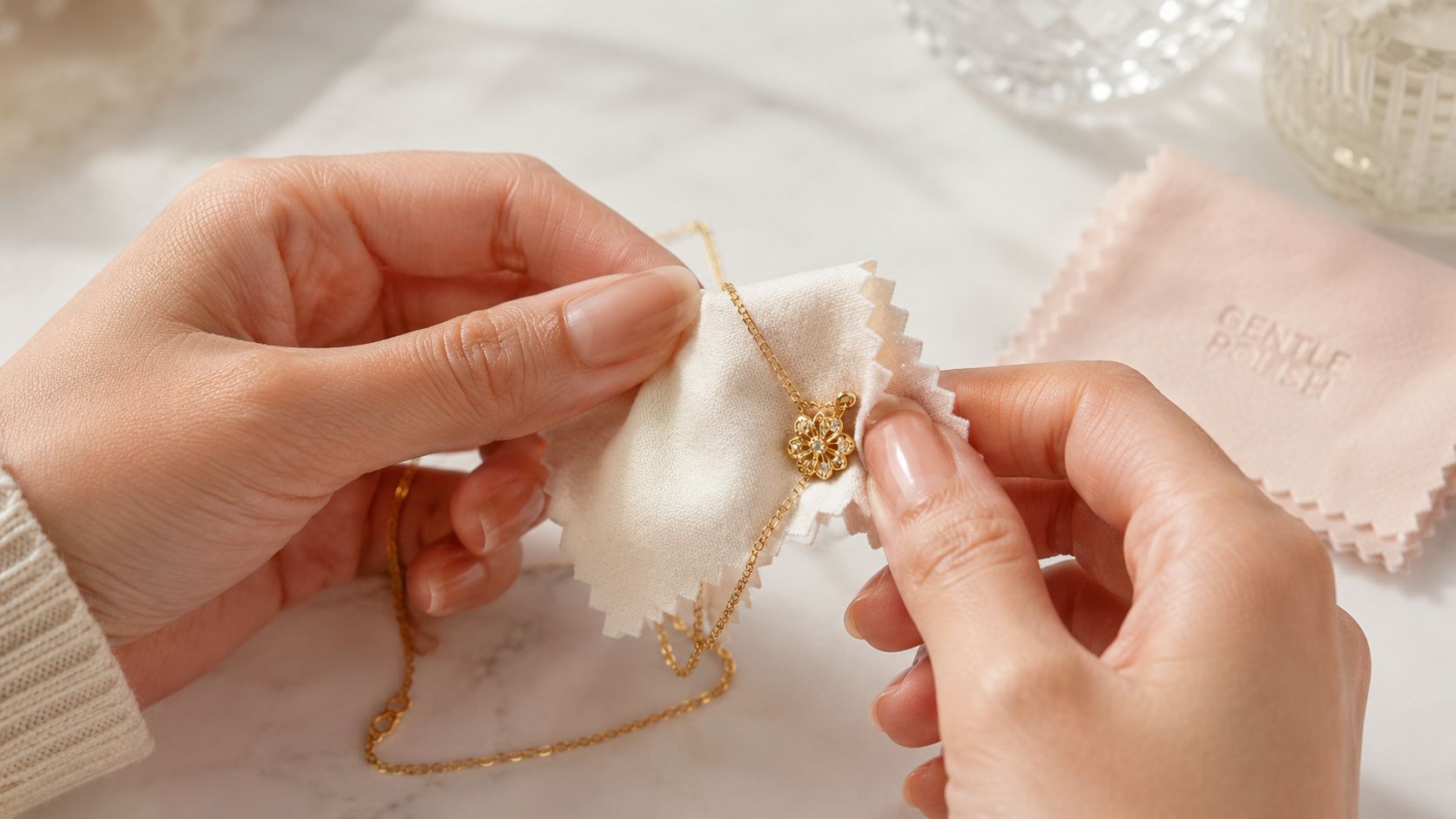
Clean only enough to remove surface dirt. Use a soft cloth, mild jewelry-safe cleaner when appropriate, and a gentle hand around prongs, pavé, and delicate links. Do not polish aggressively. Do not solder a broken piece at home. Do not remove stones to "help" the buyer weigh the gold. Those mistakes can lower the offer or create authentication problems.
Before leaving home, create a basic record:
Photograph each piece individually in clear natural light.
Take close shots of hallmarks, maker's marks, and any serial numbers.
Photograph boxes, certificates, receipts, and appraisals beside the item they match.
Keep a written list with piece type, karat mark, known stone details, and any prior purchase information.
If you want online estimates before visiting local buyers, good photos make a clear difference. This guide on how to photograph jewelry for evaluation is useful if you want a buyer to assess condition and markings from images that are usable.
One more caution. Do not melt the gold yourself. Professional buyers use testing methods and lab equipment to assess purity and weight accurately. Once a piece is altered, you may destroy the exact features that gave it resale value in the first place.
If you are unsure how to group an item, use a conservative rule. Any piece with a luxury signature, strong workmanship, hand engraving, period styling, or notable gemstones should stay out of the scrap pile until a qualified buyer has examined it.
Where to Sell Gold Jewelry A Comparison of Your Options
A seller walks into a gold buying counter with a Tiffany bracelet and leaves with a scrap quote. That happens every week. The buyer may not be dishonest. They may run the piece as metal because that is the lane they know. Your result depends on finding a channel that matches the piece.
Sell a broken 14K chain to a refiner-style buyer and you may do fine. Sell a signed Cartier, Tiffany & Co., David Yurman, or vintage Italian gold piece to that same buyer and you can leave serious money on the table. The difference is simple. Some buyers purchase gold by recoverable metal content. Others buy jewelry as a finished luxury good with brand, design, condition, and secondary market demand built into the offer.
As noted earlier, the jewelry resale market is large enough that distinctive pieces often perform better in channels that can market them to the right end buyer, not just weigh them.
Comparison of Gold Jewelry Selling Channels
Selling Channel | Potential Price | Speed | Security | Best For |
|---|---|---|---|---|
Local jeweler or specialist buyer | Often strong, especially if the buyer understands signed or resale-worthy pieces | Usually fast | Strong for in-person transactions | Fine jewelry, designer gold, estate pieces |
Dedicated gold buyer | Often strong for scrap and straightforward gold pieces | Fast | Good if pricing is transparent | Broken jewelry, chains, plain gold items |
Auction house | Can be attractive for rare, signed, or unusual pieces | Slower | Strong when established | Distinctive estate jewelry, branded luxury pieces |
Online mail-in buyer | Can be competitive, especially after comparison shopping | Moderate | Depends on shipping and buyer protocols | Sellers outside major luxury markets |
Pawn shop | Often lower | Fast | Varies | Urgent liquidity, not maximum value |
Private marketplace | Sometimes high, sometimes inconsistent | Slow to unpredictable | Lower than professional channels | Sellers comfortable handling direct buyer questions |
How each selling option works in practice
Local jewelers and specialist buyers are often the best starting point for pieces that might carry resale value above scrap. A good buyer will test the gold, inspect the workmanship, check for maker's marks, and tell you whether they are buying for melt, estate inventory, or direct resale. That distinction matters. If the answer is "we only buy for gold weight," you have learned something useful and should keep shopping for a signed or design-driven piece.
Dedicated gold buyers fit straightforward metal sales. I use this channel for damaged basics, single earrings, plain chains, and pieces with no brand premium and no gemstone value worth separating. Ask one direct question before you sit down: "Are you pricing this as scrap gold only, or are you also considering resale value if the piece is signed or marketable?" The wording is simple, and it prevents a common problem.
Auction houses can outperform local offers on rare, signed, antique, or collector-friendly jewelry. They also introduce real trade-offs. Seller commissions, photography fees, insurance, reserve decisions, and a longer timeline all affect your net. This route makes sense when the audience matters more than speed.
Online buyers are useful if you do not live near a serious estate buyer or luxury jeweler. Policies matter more than marketing copy. Review the shipping limits, declared value rules, signature requirements, inspection window, and return policy. For a practical overview of channel differences, this guide on where to sell gold and silver is a helpful starting point.
Insurance matters during shipment. If you are mailing a higher-value piece, review how jewelry transit and scheduled coverage work through Liberty Insurance before you send anything.
Pawn shops serve one purpose well. Fast cash. That speed usually carries a lower offer because the shop is pricing both resale risk and the possibility that you may redeem the loan. If maximum value is the goal, pawn should usually be the backup option, not the first stop.
Private marketplaces can produce a high sale price, but they shift the work to you. You handle photos, buyer screening, payment risk, returns pressure, and authenticity questions. For plain gold, the effort is rarely justified. For a branded or visually strong piece, private sale can work if you already know how to document it and price it credibly.
For local sellers, Antwerp Diamond Store is one example of a buyer in the Atlanta market that handles fine jewelry and other luxury assets through in-person evaluations and remote submissions. That can help with pieces in the gray area between scrap and resale, where a simple weight-based quote is often too blunt.
How to Evaluate Offers and Understand Your Jewelry's Worth
Once the offers start coming in, your job shifts from finding buyers to reading the numbers correctly. Most confusion happens because sellers hear one total figure without understanding how the buyer reached it.
Melt value versus resale value
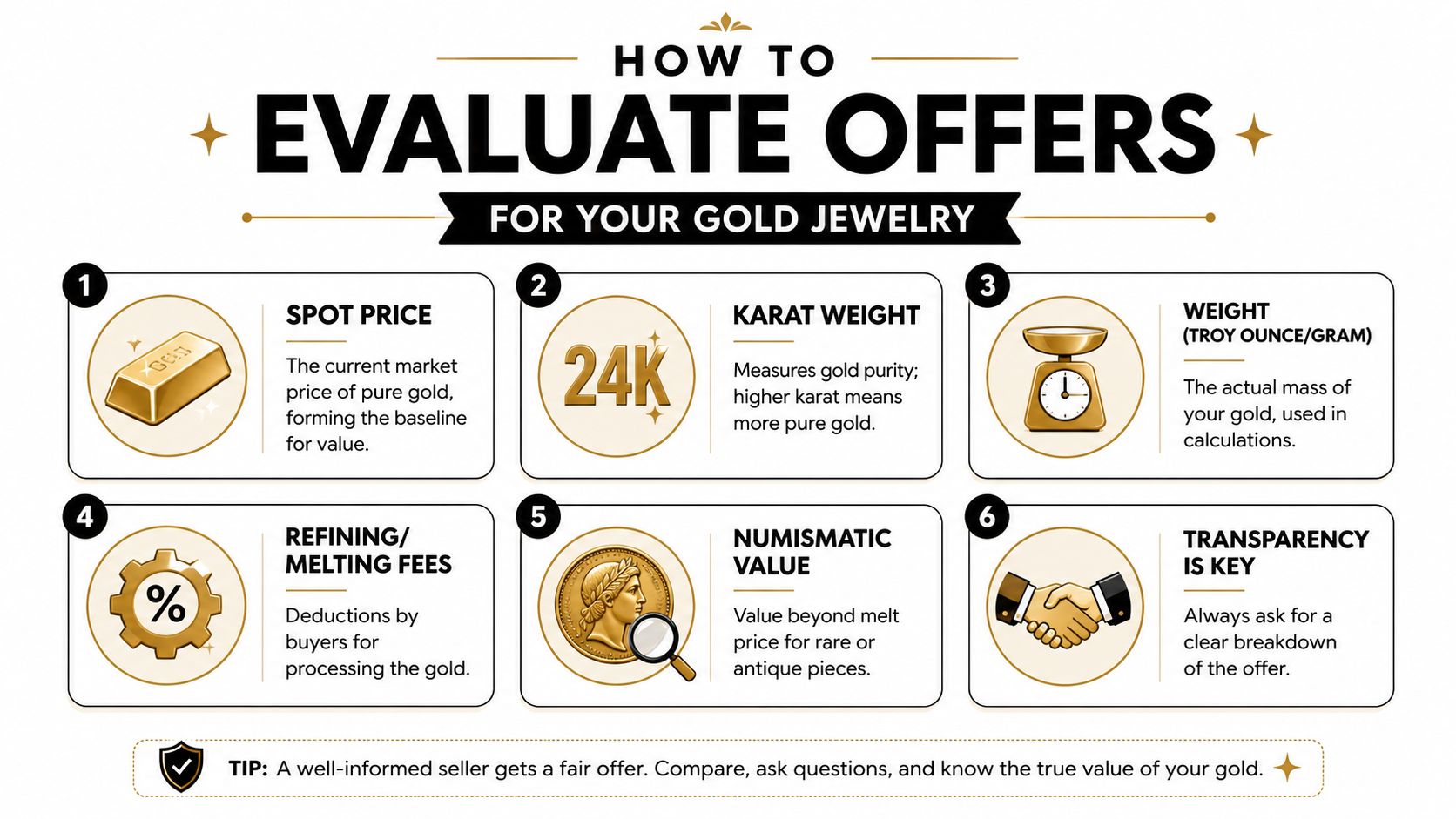
Melt value is the value of the recoverable gold content. It starts with the current spot price of pure gold, then adjusts for purity and weight. Buyers don't pay full spot because they still carry refining costs, spread, and resale risk.
Typical offers on gold jewelry fall between 60% and 90% of current melt value, with trustworthy buyers often paying 70% to 90% of melt (Alloy Market guide to selling gold jewelry). The same source gives a clear working example: if gold is $2,000 per ounce, 10K gold, which is 41.7% pure, has a melt value of about $833 per ounce, and a fair offer would range from approximately $580 to $750.
Resale value is different. A signed Cartier bracelet, a Tiffany & Co. necklace, or a vintage designer brooch may sell above melt because the next buyer wants the finished jewel, not just the gold. In the trade, experience is essential. A pure scrap buyer may ignore the brand entirely.
Data from Earth Treasures Jewelers indicates that buyers who specialize in retail melt can offer 15–30% higher returns than scrap-only buyers, and designer gold pieces from brands such as Cartier or Tiffany can sell at 20% above scrap due to brand demand. Sellers who miss this distinction can lose $100–$500 per item.
If a buyer never asks about the maker, the design, the stones, or the paperwork, that buyer is probably evaluating your piece as metal first.
How to read an offer like a professional
Ask every buyer the same questions:
What spot price are you using today
How did you test the karat
What does the item weigh
Are you buying this for scrap, resale, or either
Are gemstones or brand value included in the offer
Are there any fees or deductions
Reputable businesses are transparent about how pricing is determined and are comfortable answering questions. That transparency is one of the strongest signs you're dealing with a fair buyer.
For pieces you may ship or store while deciding, it's worth reviewing jewelry coverage options such as inland marine insurance for jewelry from Liberty Insurance, especially when the item has meaningful resale value and not just melt value.
If you want a baseline before taking offers, this overview of how jewelry appraisals work can help you understand what an appraiser or buyer is evaluating. The point isn't to memorize formulas. It's to make sure you can tell the difference between a well-explained offer and a vague number pushed across a counter.
Effectively Negotiating and Completing the Sale
A typical mistake happens at the counter. A seller hears a confident number, assumes it reflects the full value of the piece, and agrees before asking whether the buyer is pricing it as scrap gold or as jewelry for resale. That distinction can change the outcome materially, especially with signed pieces, original boxes, certificates, or designs that still have market demand.
Good negotiation starts by controlling the frame of the conversation. The goal is not to pressure the buyer. The goal is to get a clear explanation of how the offer was built and whether the piece is being treated as metal, merchandise, or both.
Simple scripts that work
Use short, direct language:
“Thank you. Before I decide, tell me whether this offer is based on scrap value, resale value, or a combination of both.”
That question does two things at once. It signals that you understand the pricing difference, and it gives a serious buyer room to justify a stronger number.
Other scripts that work well:
If the item is designer or signed: “Please note the maker's mark on the receipt. Has the brand or design value been included in this offer?”
If stones are present: “Are you assigning any value to the diamonds or colored stones, or is this strictly a gold offer?”
If you have another quote: “I have a higher offer, but I want to compare terms carefully. What would move your number?”
If you want the buyer to show their work: “Write down the weight, karat result, and final offer for me so I can compare this properly.”
If you need time: “I'm still deciding. I do not want to sell it today without reviewing the numbers.”
In practice, buyers who plan to resell jewelry often have more room than buyers who only refine metal. A scrap buyer may still be the right choice for broken chains, single earrings, damaged settings, or heavily worn pieces with no brand demand. A signed bracelet from Tiffany, Cartier, David Yurman, or a well-made estate piece should trigger a different conversation.
For anyone weighing a short-term loan against a permanent sale, pawning a ring and how that transaction works explains the difference in ownership, repayment, and risk.
What to confirm before you accept payment
Before completing the sale, confirm these points in plain language:
Final price: Make sure the amount matches the number you agreed to, with no last-minute revisions.
What is included: Confirm whether the buyer is paying for gold only, or also for stones, brand value, and resale potential.
Payment method: Ask whether payment is cash, business check, wire, or another traceable method.
Item description: The receipt or bill of sale should identify the piece clearly enough that there is no confusion later.
Weight and purity: If those were part of the valuation, they should appear in writing.
Deductions or fees: Refining fees, stone removal charges, or commissions should be disclosed before you hand over the item.
Return policy before payment clears: If payment is not immediate, ask whether you can reverse the sale before funds are released.
A short visual overview can help if you want to see how dealers think through offers and closing steps.
The strongest sellers stay calm, ask the same hard questions every time, and refuse to let a resale piece get bought at scrap terms. That is where real money is won or lost.
Frequently Asked Questions About Selling Gold
Do I need to remove gemstones before selling
Usually, no.
I tell sellers to pause before taking apart a piece. If a ring, bracelet, or necklace has good diamonds, colored stones, a signed mounting, or design appeal, removing stones can lower what the piece is worth and create avoidable damage. Let a qualified buyer or appraiser examine it intact first. The core question is whether the item should be valued as jewelry with resale potential or as gold headed to the melt bucket.
How do I vet a local gold buyer in Atlanta or nearby
To vet a local gold buyer in Atlanta or nearby, get quotes from at least three buyers. The goal is not just to find the highest number. The goal is to see how each buyer arrives at that number.
A serious buyer will explain how they test purity, how they weigh the piece, and whether they are bidding on scrap only or on resale value as well. That last point matters more than many sellers realize. A plain broken chain may be a scrap transaction. A signed David Yurman bracelet, vintage Cartier piece, or heavy gemstone ring should trigger a resale discussion, not a melt quote.
Use this quick local checklist:
Check for a real business location: A storefront or established office matters.
Read recent reviews carefully: Look for comments about clear explanations, fair dealing, and consistent pricing behavior.
Ask how they test gold: They should be comfortable describing the process.
Ask this directly: “Are you buying this for gold content only, or do you see resale value in the piece?”
Watch how they answer questions: Evasive answers usually mean a weaker offer structure.
A useful script is: “Before I decide, I need to know whether you are pricing this as scrap or as wearable jewelry.” That single question often changes the conversation.
Do I need to think about taxes when I sell gold jewelry
Possibly. It depends on what you paid originally, what you sell it for, and whether you have a taxable gain.
A buyer can explain their offer and document the transaction. They should not be giving personal tax advice. If the amount is meaningful, ask a qualified accountant or tax professional before you sell.
Should I sell locally or online
It depends on the piece and on your tolerance for risk.
Local selling gives you immediate testing, face-to-face questions, and faster payment. Online selling can make sense for designer, estate, or highly marketable pieces because it expands your buyer pool. It also adds shipping exposure, timing issues, and more room for disagreement if your photos or documentation are weak.
For ordinary scrap-weight items, local is often simpler. For signed or luxury jewelry with resale potential, online specialist buyers can sometimes outperform a neighborhood gold counter.
Are pawn shops a good place to sell gold jewelry
Pawn shops serve a purpose, especially if speed matters more than price. They are usually not the strongest outlet for maximizing value on a luxury or designer piece.
If the jewelry is signed, gemstone-set, or from a recognized maker, ask whether the buyer has experience reselling finished jewelry. If not, the offer may reflect gold weight alone. Sellers lose money when a resale piece gets treated like generic scrap.
What if my jewelry is broken
Broken gold still has value, but broken does not always mean scrap.
A damaged chain with no brand premium is often priced on purity and weight. A broken Tiffany clasp, a bent designer bangle, or an estate ring with strong stones may still carry resale value because repair is possible and the market recognizes the piece. Get that distinction checked before you accept a melt offer.
What documents or details should I bring to get a better offer
Bring anything that helps prove what the piece is.
Helpful items include the original box, receipt, certificate, prior appraisal, brand paperwork, and any repair records. For signed jewelry, clear provenance can support a resale offer. For scrap-grade items, those extras may not change much, but for luxury goods they can matter.
How do I know if an offer is too low
A low offer usually shows up in the explanation before it shows up in the number.
If the buyer avoids discussing purity, skips over maker or stone value, or refuses to separate scrap value from resale value, slow the process down. Ask: “What part of this offer is for gold, and what part is for the piece as jewelry?” If they cannot answer clearly, get another quote.
If you want a professional opinion before making a decision, Antwerp Diamond offers evaluations for gold jewelry and other luxury items through in-person appointments and remote submissions. Bringing in your piece for review, especially if it's signed, gemstone-set, or estate jewelry, can help you determine whether you should sell it for scrap value, resale value, or hold off until you have stronger offers.


