Sell Jewelry for Cash With a Clear Plan
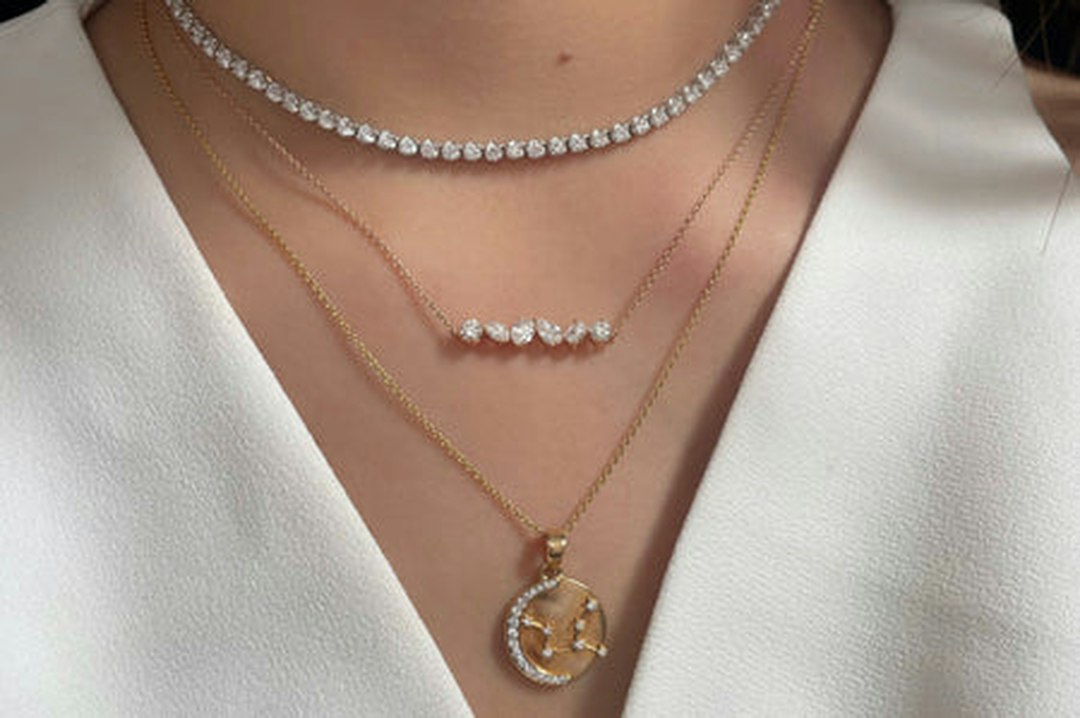
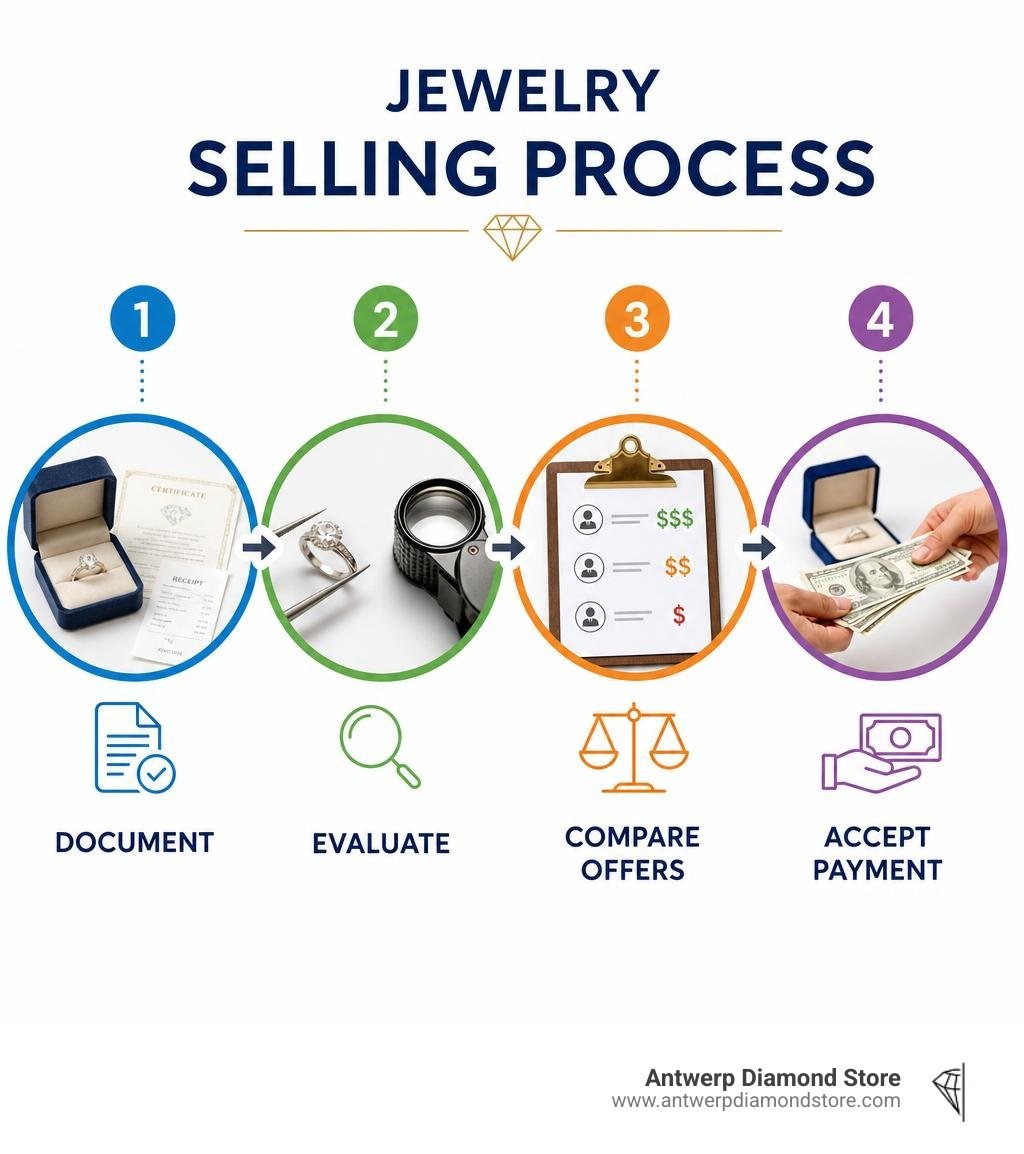
To sell jewelry for a fair cash offer, first gather any receipts, diamond or gemstone certificates, and brand packaging. Then get an expert assessment, compare more than one offer, and decide in advance the lowest price you will accept. A fast sale can be convenient, but taking time to compare qualified buyers may improve your result.
Your jewelry's resale value is not the same as its sentimental value or insurance appraisal. Buyers look at metal purity, gemstone quality, brand demand, condition, repair needs, and what they can realistically resell the piece for. An unworn diamond necklace, gold watch, or ruby piece may still have strong value - but retail pricing and replacement-cost appraisals rarely equal an immediate cash offer.
For a discreet, informed sale in 2026:
Document the piece with certificates, receipts, hallmarks, and clear photos.
Understand its condition before paying for cleaning or repairs.
Request transparent quotes from reputable jewelry or luxury buyers.
Compare payout speed against price before accepting an offer.
Understanding Jewelry Valuation: Market Price vs. Appraised Value
When parting with luxury items, understanding the baseline mechanics of valuation protects you from confusion and disappointment. The diamond necklace from an ex, the heirloom gold pocket watch sitting in your desk drawer, or the ruby cocktail ring you adored a decade ago all carry personal memories. However, the open secondary market values pieces through an objective lens centered on intrinsic material content and current consumer demand.
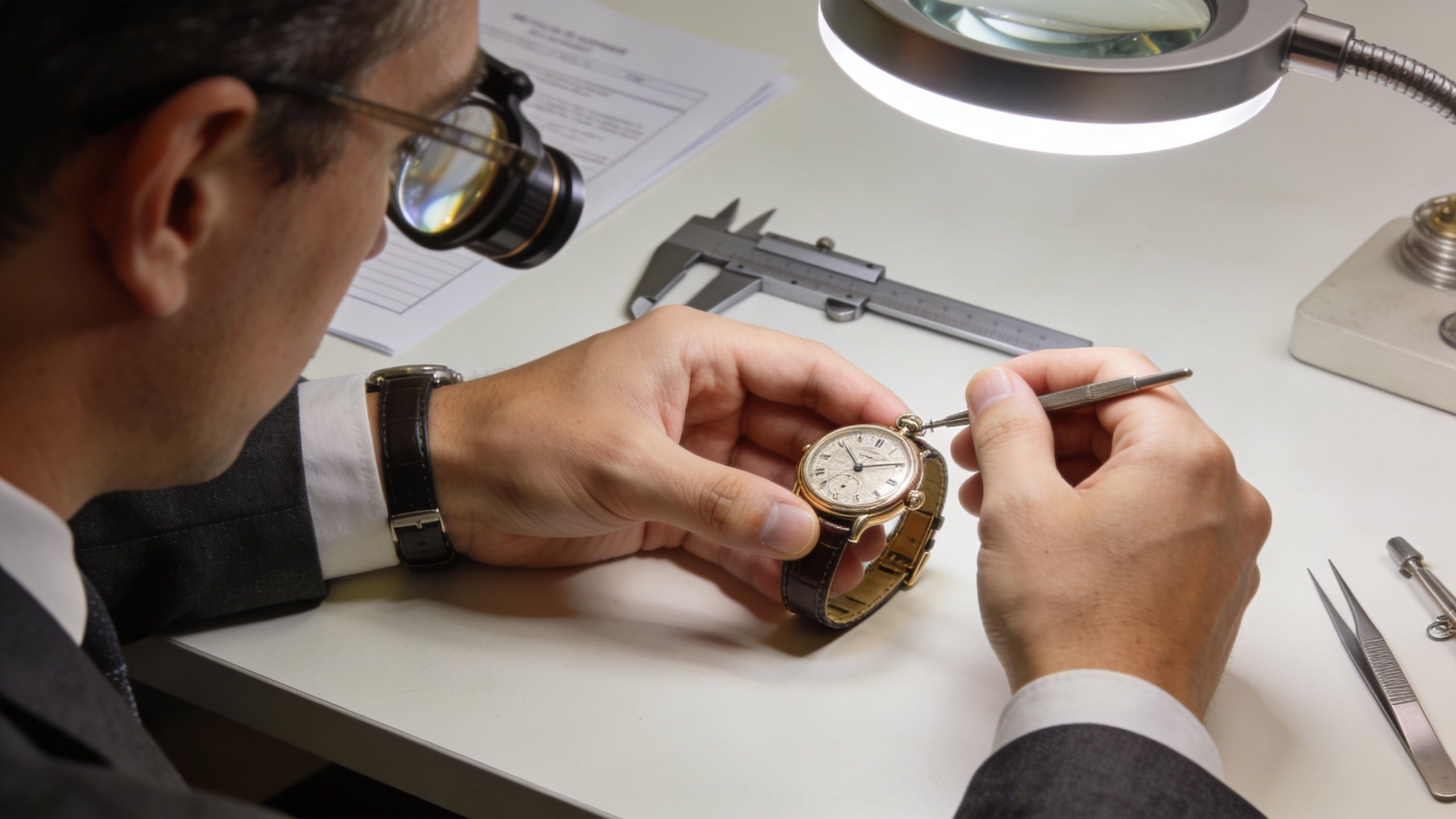
Intrinsic value refers to the raw, melt-down value of precious metals alongside the wholesale worth of loose gemstones. In diamonds, market value hinges upon the universally recognized 4Cs: Carat weight, Cut, Color, and Clarity. For precious metals like gold, platinum, and silver, pricing fluctuates alongside global spot commodity prices based purely on purity percentages (karats). Understanding these fundamentals through solid Jewelry Appraisal Tips 2026 helps bridge the gap between historical retail costs and liquid secondary market values.
Key Factors Determining Resale Worth
Secondary market buyers meticulously inspect several core variables to establish an item's real-world liquid value:
Metal Hallmarks and Weight: Official stamps indicating purity (such as 750 for 18K gold, 585 for 14K gold, or 950 for platinum) combined with the net gram weight determine base scrap value.
Precious Stone Quality and Grading: Natural stones with reputable laboratory grading command far higher liquidity than uncertified or treated gems.
Physical Wear, Tear, and Damage: Scratched mountings, chipped gemstone girdles, worn prongs, or stretched bracelet links require costly bench repairs that buyers deduct from initial offers.
Designer Brand Provenance: Signed pieces from iconic luxury houses carry significant brand equity premiums over unbranded, generic jewelry.
Secondary Market Demand: Vintage styles fluctuate. An Estate Jewelry Appraisal can reveal whether an antique piece holds collectible aesthetic value beyond its simple melt weight.
Using a reliable Diamond Resale Value Calculator allows you to gauge baseline stone values before meeting professional buyers.
Why Appraised Value Differs When You Sell Jewelry
One of the most common misunderstandings in estate liquidation is the difference between an insurance appraisal and a direct cash offer. An insurance appraisal calculates retail replacement value—the highest estimated dollar figure required to replace an item brand new at a brick-and-mortar retail boutique, complete with high retail markups, labor, sales tax, and gallery overhead.

When working with an Independent Jewelry Appraiser for resale guidance, a secondary buyer must purchase at wholesale pricing. Professional dealers absorb holding costs, market volatility risks, refurbishment expenses, and necessary profit margins upon ultimate resale. Recognizing this distinction ensures you enter negotiations with realistic expectations.
Where to Sell Jewelry for the Highest Return
Choosing the right outlet directly dictates both your total payout and transaction security. Knowing Where to Sell Jewelry for Cash depends on balancing your need for speed against maximizing dollar return.
Buyer Type | Payout Speed | Expected Return | Convenience & Discretion | Best Suited For |
|---|---|---|---|---|
Luxury Estate Buyers / Specialists | Immediate (Same Day) | High (Competitive Wholesale) | Excellent (Private, Appointment-Only) | High-end diamonds, signed jewelry, luxury watches |
Online Luxury Marketplaces | Slow (Weeks to Months) | Variable (Minus High Fees) | Moderate (Requires shipping, photography) | Unique vintage items where time is not critical |
Traditional Pawn Shops | Immediate (On the Spot) | Low to Moderate | High (Walk-in, no appointment needed) | Rapid liquidity needs where convenience overrides payout |
Consignment Jewelers | Very Slow (Months) | Moderate to High | Low (Funds delayed until retail sale) | Rare pieces with narrow collector appeal |
Local Luxury Buyers and Estate Specialists
For high-value items, partnering with professional estate buyers or AGS-affiliated jewelers provides the optimal balance of top payouts and discreet transactions. Discovering Where to Sell Fine Jewelry locally allows for in-person evaluations where you can watch the testing of your metals and grading of your stones firsthand.
At Antwerp Diamonds in Atlanta, GA, we focus on private, appointment-only luxury appraisals without high-pressure sales tactics. We buy luxury watches, fine jewelry, and designer pieces for cash, offering complimentary market valuations and immediate wire transfers or cash payouts without hidden processing fees.
Top Platforms and Strategies to Sell Jewelry Online
If local options are limited, exploring Where to Sell Jewelry Online provides access to broader global buyers. Established Online Jewelry Buyers offer streamlined mail-in appraisal services.
When selling across digital channels, ensure the purchasing company provides fully Insured Shipping Jewelry labels covering the complete replacement value during transit. Avoid unverified peer-to-peer classifieds for high-ticket items due to the prevalence of chargeback schemes and personal security risks.
Step-by-Step Preparation and Negotiation Strategy
Maximizing your return requires organized preparation before presenting your items to professional evaluators.
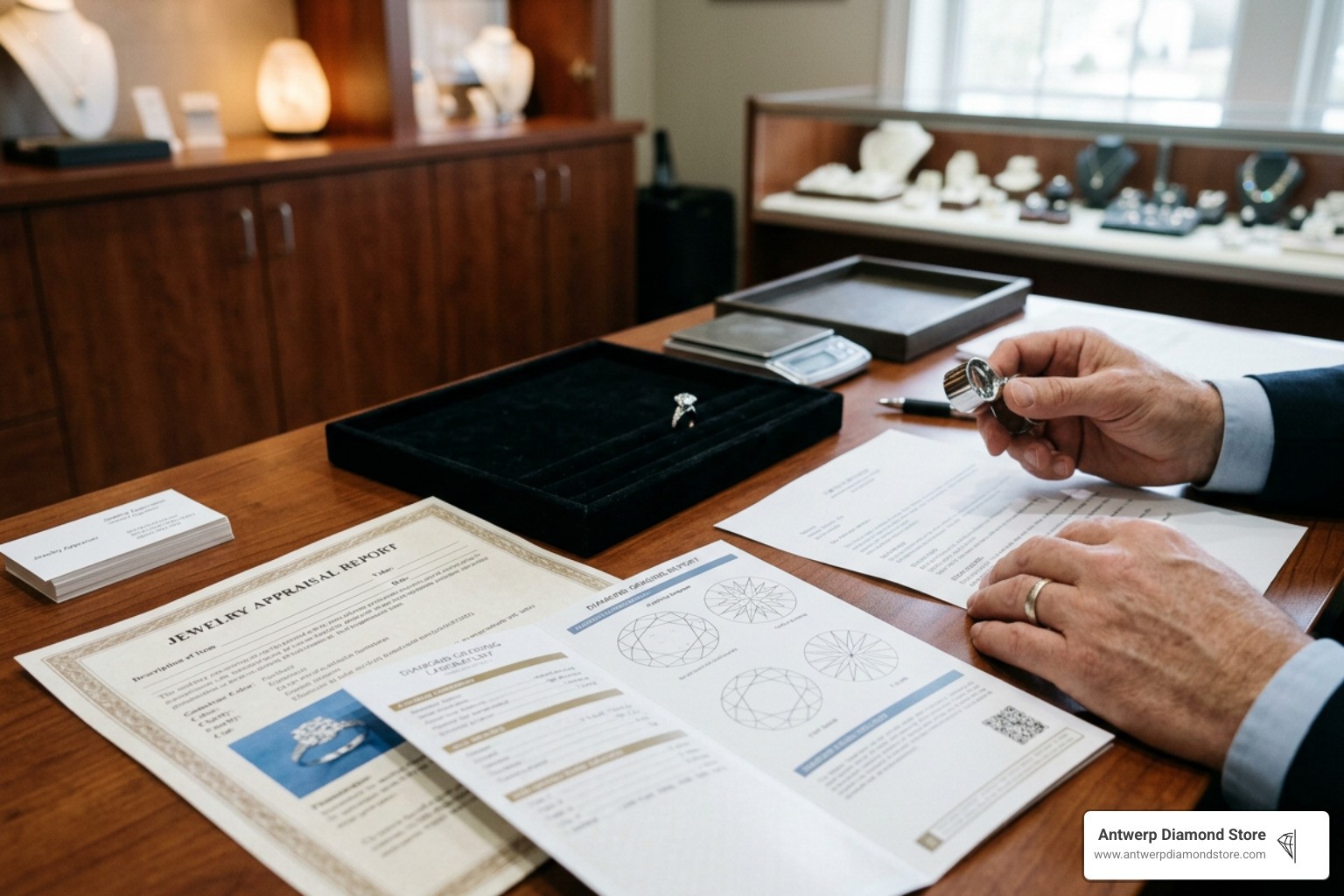
Adopting the Best Way to Sell Gold Jewelry involves organizing documentation, maintaining pristine presentation, and defining clear financial boundaries.
Documentation, Cleaning, and Repairs
Original paperwork substantially increases dealer confidence and speeds up evaluation times:
Laboratory Grading Reports: Original dossiers such as a GIA Ring Appraisal or diamond grading certificate.
Original Purchase Invoices: Store receipts establishing proof of ownership and purchase provenance.
Manufacturer Packaging: Branded inner and outer presentation boxes, travel pouches, and guarantee cards (vital for luxury brands like Cartier, Van Cleef & Arpels, or Tiffany & Co.).
Prior Insurance Valuations: Older appraisals detailing gram weights and stone dimensions.
Care Precaution: Clean your jewelry gently using warm water, mild dish soap, and a soft-bristled toothbrush to remove surface oils. Avoid harsh ultrasonic machines or at-home acid polishes, which can loosen pavé settings or damage delicate organic gems such as pearls, emeralds, and opals. Do not pay for costly independent repairs prior to selling; professional buyers can repair items in-house at standard wholesale bench rates far cheaper than retail jewelers charge you.
Setting Realistic Offer Ranges and Avoiding Lowball Offers
Before soliciting offers, verify live precious metal spot prices and review guides on How Much to Value a Diamond Ring.
Determine your walk-away figure in advance. When meeting with buyers:
Request Transparent Breakdowns: Ask the buyer to explain their valuation formula, separating the gold melt weight value from individual gemstone premiums.
Compare Multiple Quotes: Never feel pressured to accept a first offer on the spot. Legitimate buyers respect informed sellers who take time to compare competitive proposals.
Reject High-Pressure Tactics: Walk away from any buyer demanding immediate asset surrender or charging upfront fees to provide an appraisal.
Evaluating Your Options: When to Keep vs. Sell Fine Jewelry
Selling is not your only viable path. If current secondary market offers fall below your expectations, or if a piece possesses deep familial sentiment, explore creative alternatives:
Custom Redesign and Gem Resetting: Remove heirloom diamonds or colored gemstones from outdated mountings and reset them into modern, wearable custom pendants, modern solitaire bands, or daily stud earrings.
Selling Scrap Metal Only: Unset family diamonds to keep in your vault while liquidating purely the heavy gold or platinum mounting for cash.
Holding for Market Timing: If precious metals are experiencing a cyclical dip, retaining gold and platinum assets until market highs can produce stronger future returns.
Frequently Asked Questions About Selling Fine Jewelry
What is the fastest way to get cash for pre-owned jewelry?
The fastest way to liquidate pieces is through local luxury estate buyers, diamond specialists, or pawn brokers offering same-day evaluations and immediate cash or instant wire payouts. While consignment yields slightly higher retail margins over several months, choosing verified luxury dealers provides prompt liquidity without waiting periods. Knowing Where to Sell Old Jewelry helps you avoid unnecessary delays.
Why is an insurance appraisal higher than what a buyer offers?
Insurance appraisals calculate full retail replacement costs, incorporating retail brand markups, overhead, and manufacturing labor. Cash buyers evaluate secondary market liquidation value based on wholesale raw materials and immediate resale capacity. Reviewing How to Appraise Jewelry clarifies these different valuation standards.
Should I pay for professional repairs before trying to sell?
In almost all cases, no. Independent retail repair costs will rarely be recouped in your final cash payout. Professional luxury dealers possess internal bench jewelers who restore, polish, and repair pieces at wholesale cost. Reviewing resources on How to Sell Diamonds confirms that presenting items in clean, as-is condition is the most cost-effective approach.
Conclusion
Liquidating unworn jewelry transforms idle assets into usable capital. By organizing your lab certificates, understanding the mechanics of secondary market valuation, and gathering competitive quotes from vetted professionals, you can confidently secure the true worth of your items.
If you are looking for a transparent, discreet, and pressure-free selling experience, our gemological specialists are here to assist. At Antwerp Diamonds, we provide complimentary evaluations, clear market-based offers, and instant payouts in a private, professional setting. Ready to unlock the true value of your fine jewelry? Contact us today to schedule an evaluation with our trusted team.