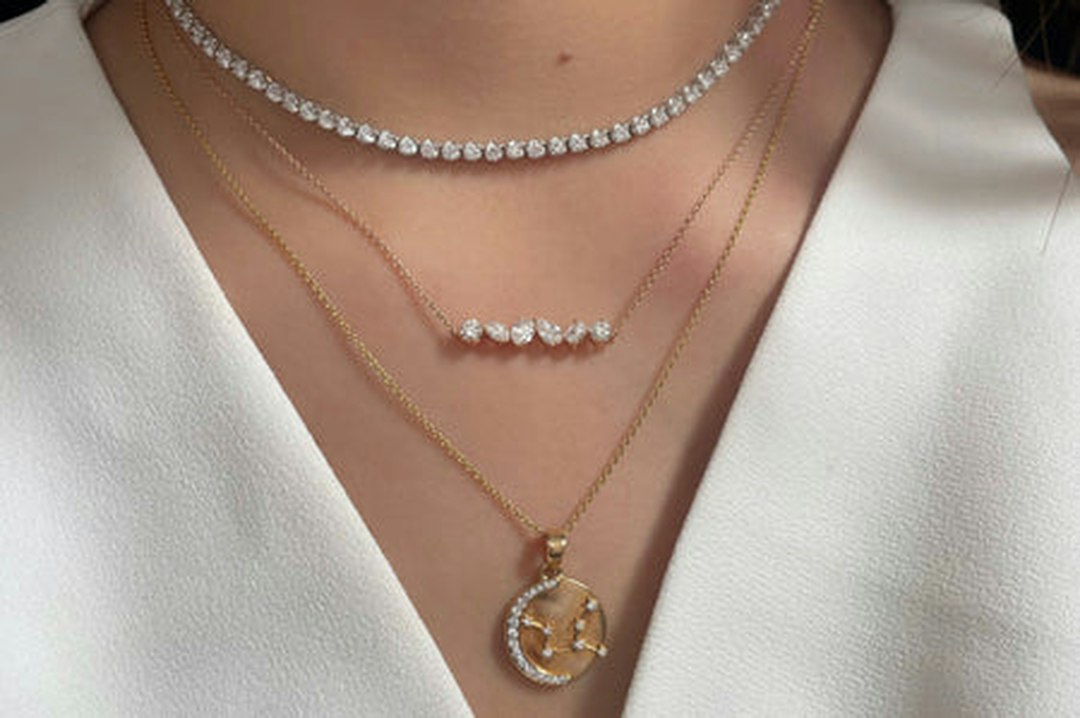

The best place to sell jewelry online depends on two things: your item's value and whether you care more about speed or maximum price. Online jewelry demand is already massive, with the market valued at USD 52.3 billion in 2022 and projected to reach USD 87.6 billion by 2030, so you have real online selling options, not a niche side market.
If you're holding a diamond engagement ring, a Cartier bracelet, a Tiffany & Co. necklace, or inherited gold jewelry you no longer wear, the question isn't just where to list it. It's how to sell it without getting underpaid, dragged into weeks of back-and-forth, or exposed to avoidable risk. For high-value pieces, I usually advise clients to choose between three routes: a direct expert buyer, an online auction or consignment service, or a peer-to-peer marketplace.
Table of Contents
Understanding Your Options for Selling Jewelry Online
Most sellers start in the same place. They know the piece has value, they want a fair offer, and they don't want to make an expensive mistake.
There are three main ways to sell jewelry online: direct expert buyers, peer-to-peer marketplaces, and online auction or consignment platforms. Each one asks you to trade one thing for another. Usually that trade is speed, security, effort, or final payout.
The online channel matters because this isn't a tiny corner of e-commerce anymore. The global online jewelry market was valued at USD 52.3 billion in 2022 and is projected to reach USD 87.6 billion by 2030, and millennials accounted for 42% of global online jewelry purchases according to online jewelry sales market data. That tells you buyer demand is real, especially for sellers who present their item well and choose the right channel.
The three selling models
Direct buyer: You submit details, receive an evaluation, and get an offer. This is usually the cleanest route for diamond jewelry, branded pieces, estate jewelry, and items where authentication matters.
Marketplace listing: You create the listing, take photos, answer messages, negotiate, ship the item, and manage the risk yourself.
Auction or consignment: A third party handles the listing and sale process, but you usually wait longer and give up more control over timing.
If your piece is expensive enough that losing it, mispricing it, or shipping it to the wrong buyer would sting, don't treat it like a casual marketplace item.
My view as an advisor
For many clients inquiring about selling jewelry online, the smartest answer isn't "go where the largest audience gathers." It's "go where the right buyer is."
A vintage gold chain and a GIA-graded diamond ring don't belong in the same selling strategy. High-value jewelry deserves specialist handling. Lower-value, unbranded, or fashion-adjacent pieces can sometimes make sense on consumer platforms. If you want a broader overview of cash-selling paths, this guide on where to sell jewelry for cash is a useful next read.
Selling to a Direct Online Buyer for Speed and Security
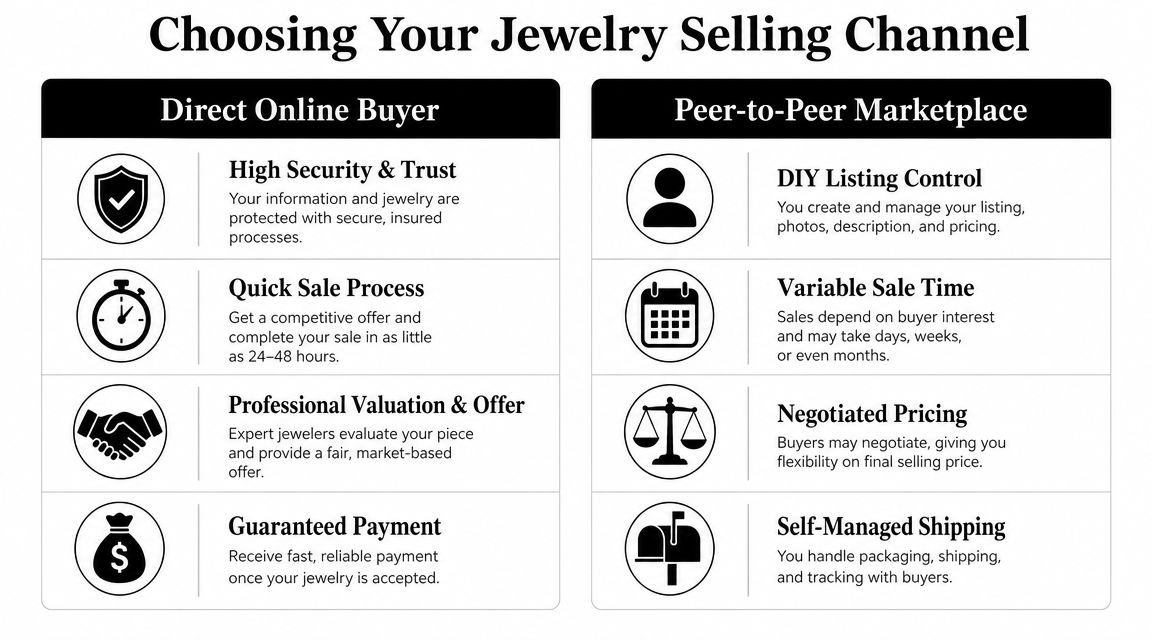
If your priority is speed, privacy, and a clean transaction, sell to a direct online buyer. For high-value jewelry, that's usually the most rational decision.

A direct buyer doesn't wait for your item to attract bids or sit through weeks of messages from strangers. They evaluate the piece, assess current resale demand, and make an offer. If you accept, the sale is done. No listing fees, no public negotiation, and no hoping a buyer follows through.
Why this route works for expensive pieces
Industry guidance on selling jewelry online consistently points to a specialized buyer or auction-style specialist route over a general marketplace for high-value pieces, especially because direct specialist buyers can reduce commission friction and appraisal delays. That same guidance also stresses checking current market pricing, item condition, metal type, gemstone quality, size, and using professional appraisals or certificates before accepting an offer, as explained in this specialist guide to selling jewelry online.
That matches what I tell clients every day. A serious buyer looks at the actual resale drivers, not the emotional story of the piece.
Those drivers usually include:
Brand and demand: Cartier, Tiffany & Co., Van Cleef & Arpels, and other recognized luxury names often sell differently from unbranded jewelry.
Diamond quality: Cut, color, clarity, carat weight, fluorescence, and whether the stone has a GIA report all matter.
Metal value: Gold purity, platinum content, and total weight affect the offer.
Condition: Repaired prongs, chipped stones, excessive wear, and missing accent stones reduce buyer confidence.
Documentation: Original receipts, certificates, and branded packaging can help support value.
What a direct buyer should offer
A proper direct buyer should make the process simple, but not vague.
Practical rule: If a buyer can't explain why your ring is worth what they're offering, you don't have enough information to sell.
You want clear communication, a defined evaluation process, secure handling, and payment terms you understand before you ship or sign anything. If you're selling a center stone separately, this guide on where to sell loose diamonds is especially relevant because loose stones and mounted jewelry don't always trade the same way.
For sellers in Atlanta, Buckhead, Sandy Springs, Alpharetta, Roswell, Brookhaven, Midtown Atlanta, and the wider Georgia market, a direct buyer also gives you something marketplaces can't: the option for a private, in-person review before you commit. Antwerp Diamond Store is one example of this model, offering evaluations for jewelry, diamonds, watches, and other luxury assets through online submission or local appointments.
Listing on Peer-to-Peer Marketplaces
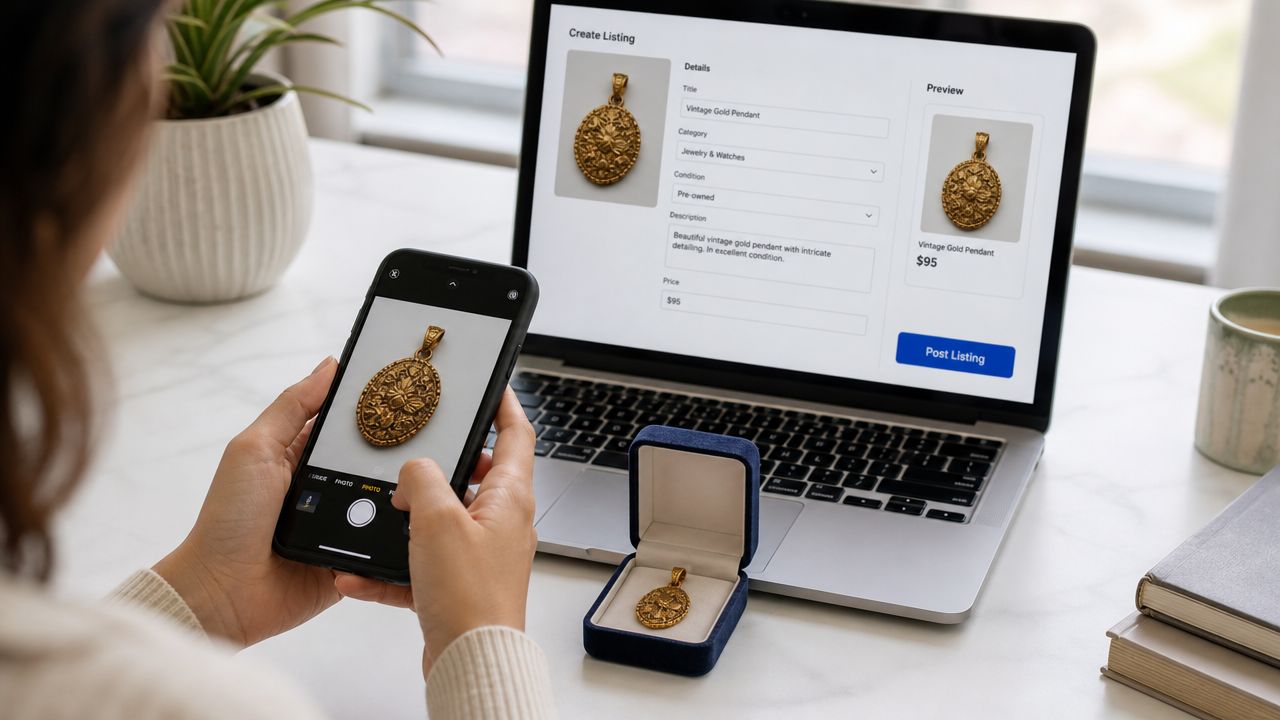
Peer-to-peer marketplaces appeal to sellers for one reason: control. You set the asking price, write the listing, and choose whether to accept an offer.
That control comes at a cost. You become the photographer, merchandiser, copywriter, negotiator, fraud screen, shipping manager, and customer support department.
What marketplaces do well
A marketplace can make sense if your item is lower risk, easier to describe, and not heavily dependent on expert authentication. Think simple gold chains, small silver pieces, vintage costume jewelry, or lower-ticket branded items.
You may also prefer this route if you're patient and comfortable handling messages, shipping, and disputes yourself.
Where sellers usually get it wrong
The technical bottleneck in online jewelry selling isn't picking a platform. It's building a listing buyers trust. According to BigCommerce's guide to selling jewelry online, successful jewelry sales depend heavily on structured product data and high-quality images, because buyers rely on trust signals and searchable attributes, and weak photography or incomplete metadata can depress the final price.
That means your listing needs more than "14k diamond ring, beautiful condition."
It needs specifics like:
Precise metal details: 14K yellow gold, platinum, mixed metal, stamped markings.
Stone information: Diamond shape, estimated carat weight, lab report if available, side stone details.
Measurements: Ring size, chain length, bracelet inner circumference, pendant dimensions.
Condition notes: Resizing marks, worn rhodium, scratched links, replaced clasp.
Photo discipline: Straight-on shots, close-ups, scale shots, hallmark images, and clear lighting.
A weak listing doesn't just reduce interest. It makes buyers assume you're hiding something.
If you're planning to use eBay for non-luxury pieces, it helps to understand category behavior and presentation tactics. This resource on how to maximize eBay profits with tools is useful for thinking through what sells well and how listing strategy affects outcomes.
My recommendation on marketplaces
Use marketplaces only if all three statements are true:
You can describe the item accurately.
You can tolerate delays and buyer questions.
You can afford the transaction risk.
If one of those is false, step away. Marketplace selling punishes uncertainty. Before you list anything valuable, review these tips on how to photograph jewelry, because poor images kill trust fast.
Using Online Auction Houses or Consignment Services
You send a signed Cartier brooch to consignment in January. It photographs well, gets cataloged, waits for the right sale, attracts interest, and still may not put money in your account for months. That delay is the price of chasing a premium buyer.
Auction houses and consignment services are selective channels. Use them for jewelry that needs storytelling, brand recognition, or collector competition to reach full value. A period jewel, a signed estate piece, or an unusual design with real provenance can justify the slower process. A standard diamond ring usually cannot.
When auction or consignment is the right fit
This channel works best when the piece is hard to price as a simple commodity and easier to sell as an object of taste, rarity, or historical interest.
Good candidates include:
Signed luxury jewelry: Cartier, Tiffany & Co., Van Cleef & Arpels, Bulgari
Period and estate pieces: Art Deco, Victorian, Edwardian, retro, mid-century
Unusual workmanship or provenance: Hand-fabricated pieces, documented ownership, original boxes or papers
Antique jewelry with collector demand: If your piece falls into that category, review this guide on how to sell antique jewelry before choosing a channel
A curated sale can bring better attention to those pieces because the buyer pool is already filtered for interest and budget.
The real tradeoff
You are paying for access, presentation, and patience.
The auction house or consignment platform usually handles photography, catalog copy, buyer communication, and transaction processing. That saves effort, but it does not reduce risk in the ways high-value sellers care about most. Your item can sit unsold. The reserve can miss the market. The winning bidder can fail to complete. Your final proceeds shrink after seller commissions, marketing charges, insurance deductions, or negotiated discounts.
A strong hammer price can still produce a disappointing net result.
That is why I treat auction and consignment as a specialty tool, not a default selling method.
My recommendation
Choose this route only if the piece has a real chance of outperforming a direct offer because of brand, rarity, design pedigree, or collector appeal. If the value is mostly in the center diamond, the gold, the platinum, or straightforward branded resale demand, a direct buyer is usually the smarter move.
For sellers balancing speed, net payout, and security, the hierarchy is simple. A direct specialist buyer such as Antwerp Diamond gives you the clearest path to a fast, defined outcome. Auction and consignment can sometimes beat that result on the gross number, but they do it with more waiting, more uncertainty, and more fees.
Use auction or consignment to maximize upside on distinctive pieces. Use a direct buyer to maximize control.
How to Choose the Right Selling Channel for Your Jewelry
You have a $12,000 ring in your hand, a buyer's market for secondhand jewelry, and three choices that all sound plausible. List it yourself and hope a stranger pays. Hand it to an auction or consignment platform and wait. Or sell directly to a specialist buyer who can evaluate it properly and close fast.
For high-value jewelry, that decision should be made with one question first: what matters more, maximum upside or a defined, low-risk outcome? If you care about speed, security, and a clear net result, start with a direct buyer. If you are willing to trade time and certainty for a shot at a higher gross number, use a marketplace or a specialized auction channel.
I advise clients to sort the decision by item type first, then by risk tolerance.
A diamond engagement ring with a GIA report, a signed Cartier bracelet, a Tiffany necklace, or an estate piece with meaningful value should usually go to a specialist direct buyer such as Antwerp Diamond for the first offer. You get a professional review, a defined process, and a real number without exposing the piece to public listing problems. Fashion jewelry, lower-value pieces, or common items with straightforward resale demand can work on peer-to-peer marketplaces if you are prepared to handle listing quality, buyer questions, returns, and shipping risk. Auction and consignment fit a narrower category. They make sense for unusual signed pieces, antique jewelry, and collector-driven designs that may attract competing bids.
Comparing Online Jewelry Selling Channels
Factor | Direct Buyer (e.g., Antwerp Diamond) | P2P Marketplace (e.g., eBay) | Online Auction/Consignment |
|---|---|---|---|
Speed | Fastest path to a completed sale | Unpredictable | Usually slower |
Security | High, if the buyer has a defined evaluation and payment process | Lowest, because you manage stranger interactions and shipping risk | Moderate, platform-managed but still delayed |
Effort required | Low | Highest | Moderate |
Pricing control | Limited, you accept or reject the offer | Highest, you set the asking price | Shared with the platform |
Best for | Diamonds, branded jewelry, estate pieces, high-ticket items | Lower-value, easier-to-describe jewelry | Distinctive, collectible, or signed pieces |
Main downside | You may not chase the absolute highest possible gross sale | Heavy work, weak trust, fraud exposure | Waiting, fees, uncertain final result |
Questions That Should Decide Your Path
Use these questions to choose quickly and correctly:
How fast do you need funds? If the answer is days or a couple of weeks, skip channels built around waiting for the right buyer.
How expensive would a mistake be? A return dispute on a silver pendant is annoying. A dispute on a five-figure diamond ring is a serious financial problem.
Can you identify what you own? If you cannot state whether the stone is natural, lab-grown, clarity enhanced, or accompanied by a grading report, do not self-list it first.
Is the value tied to brand, age, or design pedigree? Signed luxury jewelry and period pieces need informed pricing and informed buyers.
Do you have documentation? GIA reports, purchase receipts, service records, and original brand packaging improve buyer confidence and reduce friction.
Is the piece antique or inherited? Get it reviewed before choosing a channel. This guide on how to sell antique jewelry will help you avoid common pricing errors.
My recommendation is straightforward. For high-value jewelry, begin with a direct specialist evaluation. It gives you a fast benchmark, limits your exposure, and lets you decide from a position of information. You can always move to a slower selling channel later. You cannot easily recover from a weak public listing, an avoidable authenticity dispute, or a careless shipping loss.
The Process for Selling High-Value Jewelry Securely
A secure sale shouldn't feel mysterious. The process is straightforward when you're dealing with a real professional.
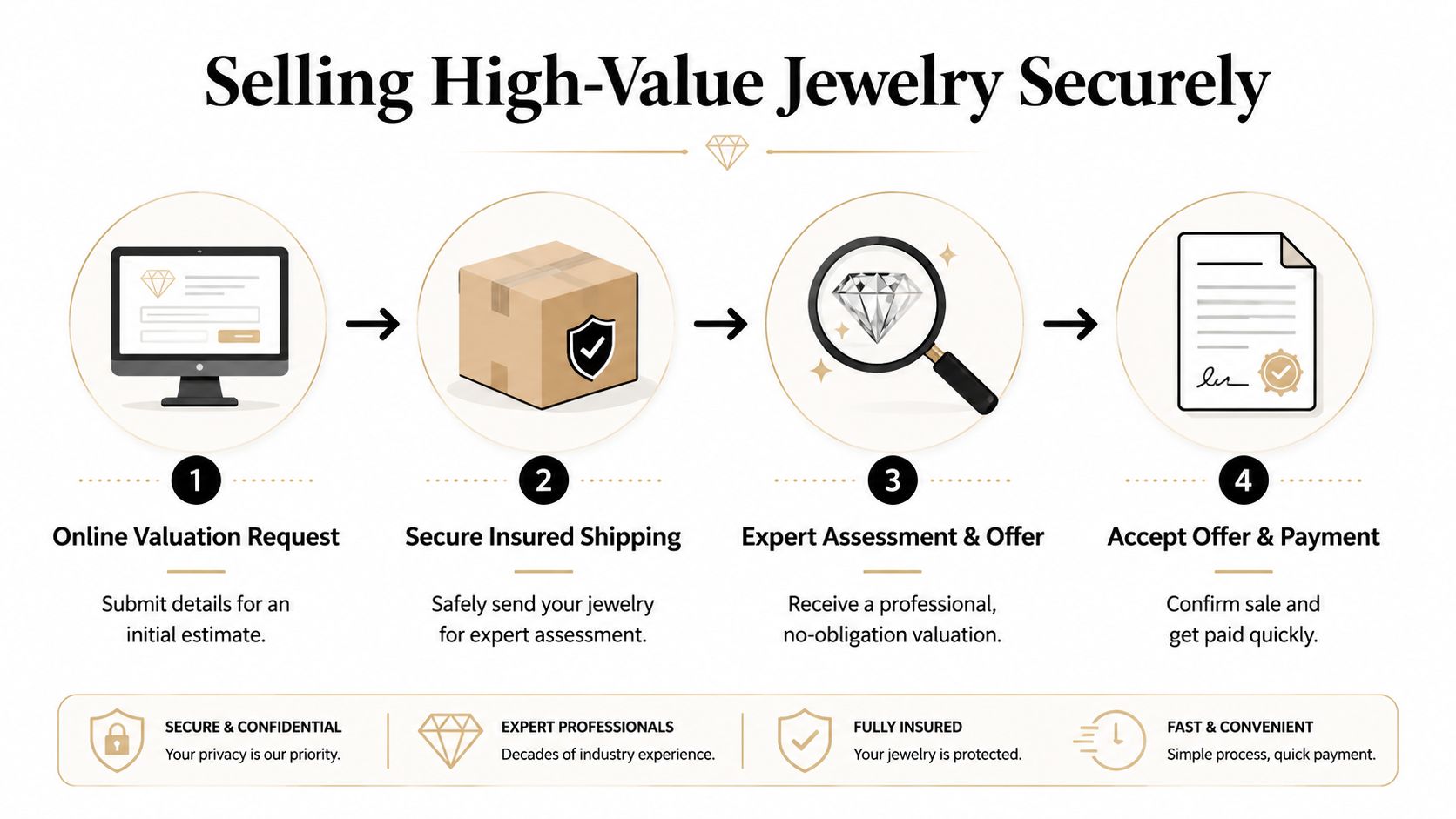
Most serious transactions follow the same sequence: you submit details, the item is reviewed, the buyer assesses authenticity and marketability, and you decide whether to accept the offer. For clients in Atlanta and nearby areas like Buckhead, Roswell, Sandy Springs, Alpharetta, Brookhaven, and Midtown Atlanta, an in-person review adds another layer of comfort because you can discuss the piece face-to-face.
What a serious buyer will evaluate
A buyer looking at high-value jewelry doesn't just glance at it and guess.
They'll usually examine:
Authenticity: Is the brand, metal, and stone identity consistent with the piece?
Condition: Are the setting, shank, links, clasp, and stones intact and commercially acceptable?
Documentation: Is there a GIA report, receipt, appraisal, brand paperwork, or service history?
Resale demand: Is this something buyers actively want right now?
If you're selling a ring with a graded center stone, understanding how paperwork supports confidence matters. This article on a GIA certified engagement ring explains why documentation can affect how smoothly a sale goes.
A short visual overview helps if you're still deciding how the process works in practice:
What You Should Have Ready
You don't need a perfect file folder, but you should gather what you can.
Bring the piece clean, not altered: Don't rush into polishing, resetting, or repairing before evaluation.
Include documents: Certificates, prior appraisals, original receipts, and branded boxes can help establish confidence.
Write down what you know: Purchase date, known repairs, ring size, metal type, and any diamond specs.
Be honest about condition: Chips, missing stones, resized bands, and damage are easier to price correctly when disclosed upfront.
Clean process, clear documentation, and realistic expectations usually produce the least stressful result.
Frequently Asked Questions About Selling Jewelry Online
Is it better to sell jewelry to a buyer or list it yourself
For high-value jewelry, I recommend a specialist buyer first. Listing it yourself can work, but it takes more effort and exposes you to more transaction risk.
Should I sell a diamond ring as a ring or remove the stone
Usually, evaluate both possibilities before deciding. Some rings have more resale appeal intact, while others are worth more as a loose diamond plus scrap or secondary setting value.
Do I need a GIA certificate to sell jewelry online
No, but it helps. A GIA report can make a diamond easier to evaluate and easier for a buyer to trust.
Can I sell inherited jewelry if I don't know what it is
Yes. Start with a professional evaluation before you list or accept an offer. Inherited pieces are often misidentified, especially older settings, antique cuts, and mixed-metal jewelry.
Do boxes and receipts matter
They can. Original packaging, receipts, and branded paperwork support confidence, especially for Cartier, Tiffany & Co., and other recognized luxury brands.
What's the safest way to sell jewelry online
The safest route is usually a professional buyer with a defined review process, secure shipping or in-person appointment options, and clear payment procedures. For very valuable pieces, avoid casual meetups and vague online buyers.
If you're in Atlanta, Buckhead, Roswell, Sandy Springs, Alpharetta, Brookhaven, Midtown Atlanta, or elsewhere in Georgia and want a professional review before making a decision, you can contact Antwerp Diamond for a confidential evaluation. It's a practical first step if you're weighing speed, security, and net payout on a diamond ring, fine jewelry, gold, or another high-value item.