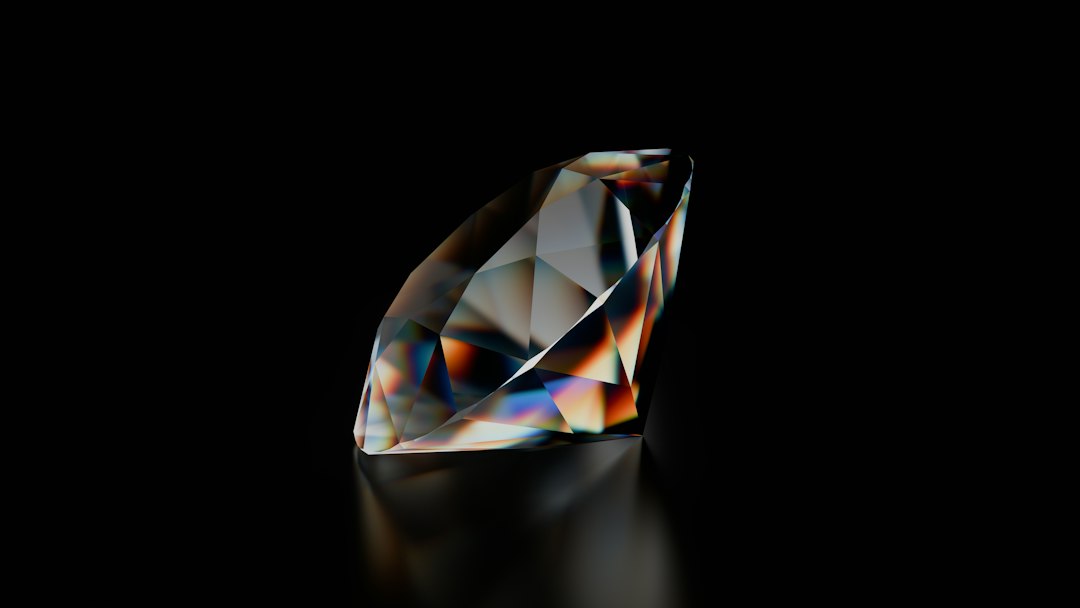

To evaluate any luxury piece, you must first understand the fundamental benchmark of the craft: material purity. True fine jewelry relies on solid precious metals that hold intrinsic value, offer structural stability, and resist degradation over decades of daily wear.
When inspecting a piece, your first step should be locating the hallmark stamp. These tiny engravings—usually found inside ring bands, on earring posts, or beside necklace clasps—indicate metal purity. For example, solid gold will carry stamps such as "585" (14k) or "750" (18k), while sterling silver is marked "925" and platinum carries "900" or "950". These marks provide verified proof of what lies beneath the surface, ensuring you are buying an enduring asset rather than a coated base metal. For a deeper breakdown of material standards, explore our guide on understanding fine jewelry.
Fine Jewelry vs. Demi-Fine and Fashion Pieces
Understanding where a piece falls among fine jewelry, demi-fine, and fashion jewelry saves you from unexpected wear down the road.
Fashion jewelry usually relies on base metals such as brass, copper, or stainless steel coated with a micro-thin layer of gold applied through Physical Vapor Deposition (PVD) or standard electroplating. While initial surface luster looks bright, these layers eventually wear off, exposing base metals that can tarnish, turn skin green, or trigger allergic reactions.
Demi-fine pieces bridge the gap by utilizing sterling silver (.925) or high-grade gold fill (where a thicker gold sheet is mechanically bonded to a core metal). While demi-fine items offer superior durability over basic costume jewelry, they cannot match the lifetime permanence of solid precious metals. Solid gold and platinum never chip, peel, or tarnish away, making them the ultimate standard for pieces meant to endure a lifetime.
Sourcing Materials: Gold Alloys, Silver, and Platinum
The choice of precious metal dictates a piece's weight, color tone, and daily resilience:
14k Gold: Composed of 58.3% pure gold combined with copper, silver, or zinc, 14k gold strikes an optimal balance between rich color and mechanical hardness, making it exceptionally scratch-resistant for daily wear.
18k Gold: Containing 75% pure gold, 18k offers a deeper, warmer yellow hue. Because pure gold is naturally soft, 18k pieces feature a softer tactile feel and an opulent luster.
Platinum: Naturally hypoallergenic and dense, platinum is 95% pure in most fine applications. Unlike gold, which loses metal when scratched, platinum merely shifts position on the surface (creating a soft patina over time) while maintaining structural integrity over decades.
925 Sterling Silver: Composed of 92.5% pure silver alloyed with copper, sterling silver yields an accessible, luminous white metal finish. While sterling silver can naturally develop tarnish, simple routine cleaning fully restores its brilliance.
Essential Factors for Evaluating Fine Jewelry Quality

Beyond raw material composition, overall value relies on bench craftsmanship, setting precision, and structural design.
Precious Metals and Karat Differences
Gold purity directly shapes the metal's durability, color saturation, and market valuation. While pure 24k gold is far too soft for set gemstones, standard alloys tailor pure gold for everyday functional art. Choosing between purities depends on how you balance physical durability against gold density. You can read more about evaluating 14k vs 18k gold to decide which metal best suits your daily lifestyle.
Metal Type | Gold/Metal Content | Relative Hardness | Tarnish Resistance | Hypoallergenic Level |
|---|---|---|---|---|
14k Gold | 58.3% Pure Gold | High (Extremely durable) | Excellent | High |
18k Gold | 75.0% Pure Gold | Medium (Rich, softer tone) | Excellent | High |
Platinum | 95.0% Platinum | Very High (Dense metal) | Superior (Does not tarnish) | Exceptional (100% Hypoallergenic) |
925 Sterling Silver | 92.5% Pure Silver | Moderate | Requires occasional polish | Good |
Gemstone Standards and Diamond Integrity
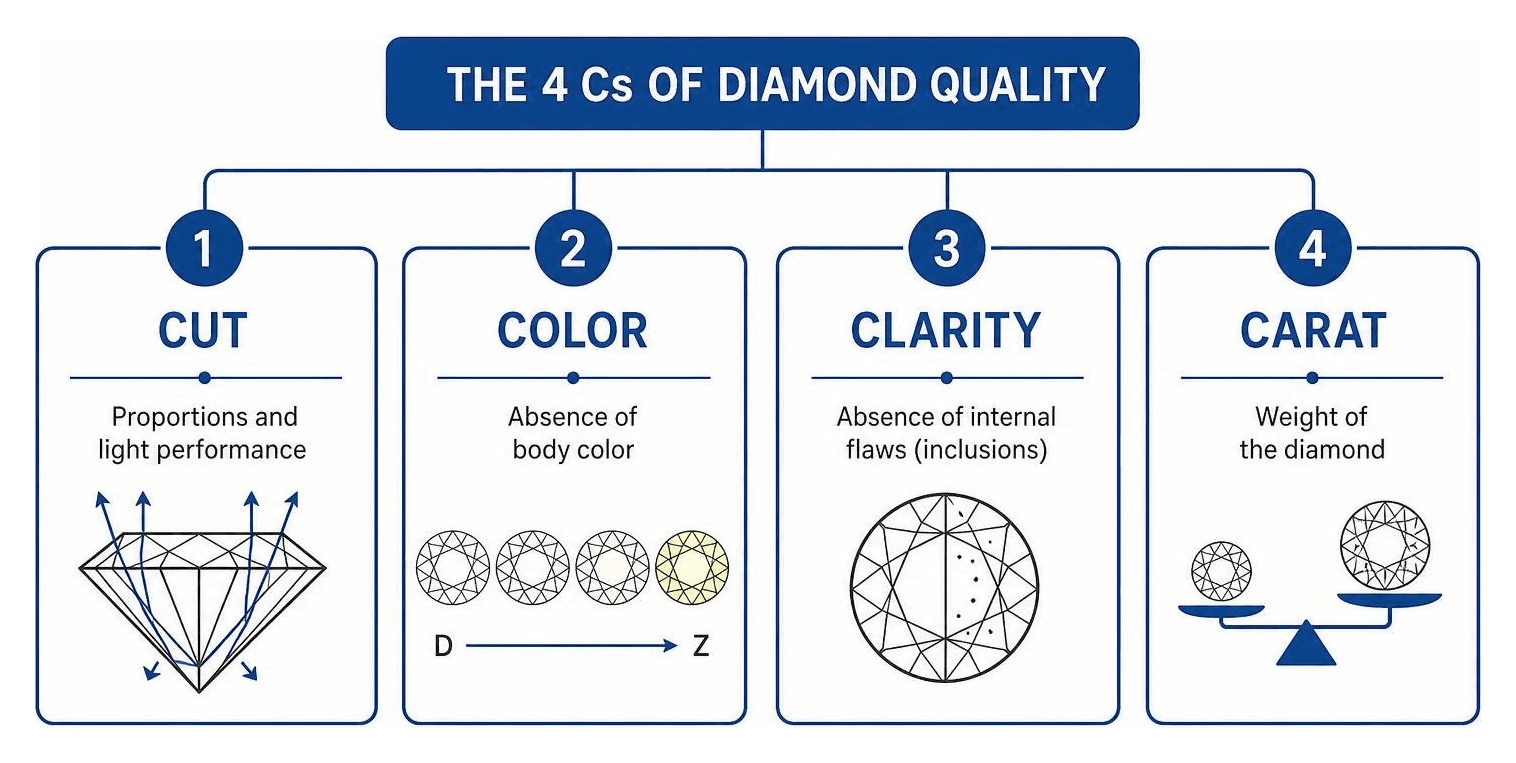
Evaluating diamonds and precious colored gemstones requires analyzing standard structural parameters. The industry assesses diamonds via the 4 Cs: Carat (weight), Cut (proportions and light reflection), Color (absence of body color), and Clarity (absence of internal structural flaws).
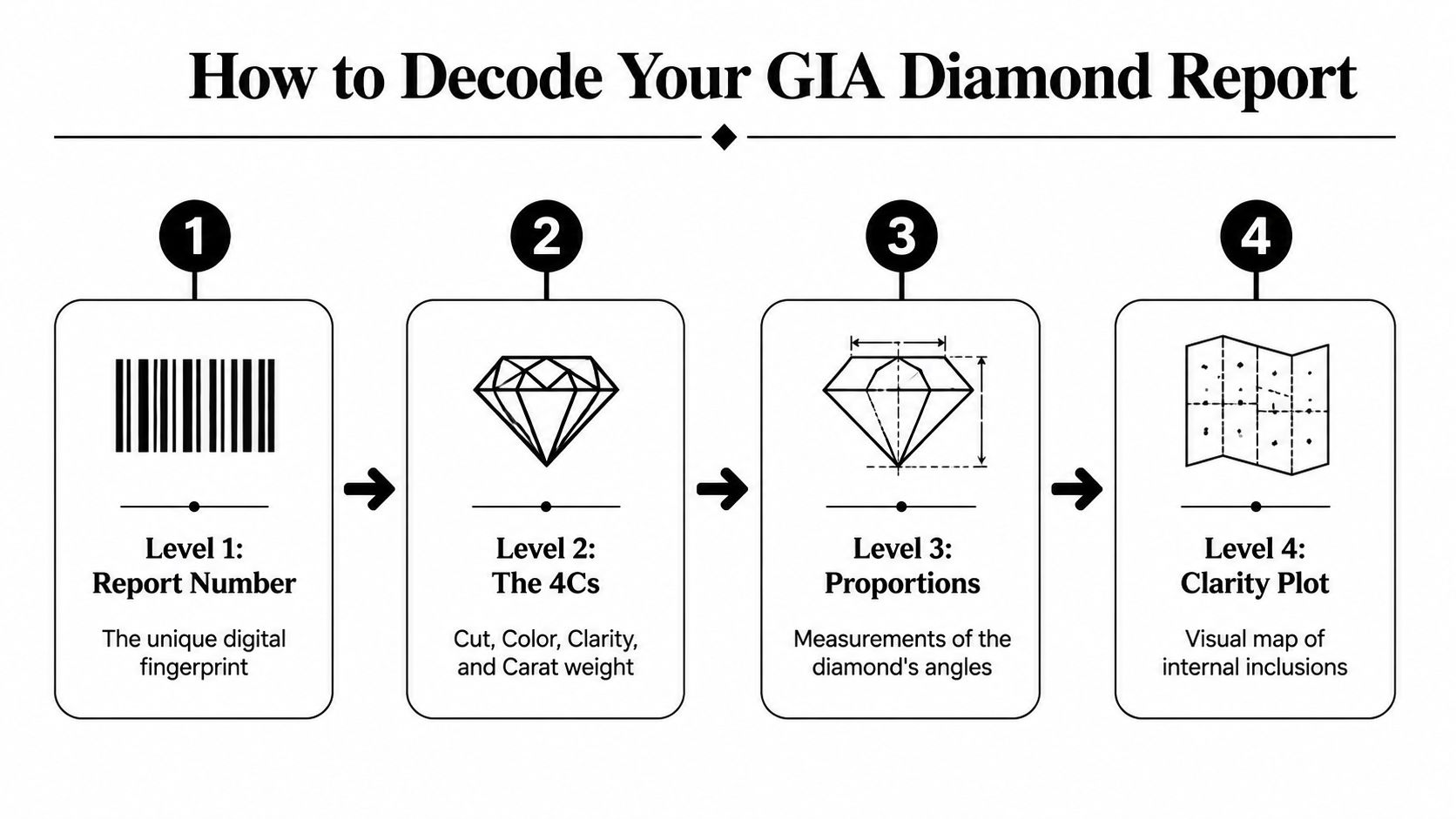
Independent laboratory documentation from bodies like the Gemological Institute of America (GIA) or the International Gemological Institute (IGI) provides verifiable proof of stone parameters.
Key considerations when evaluating diamonds:
Natural vs. Lab-Grown Origins: Mined diamonds carry geological rarity value, whereas cultivated lab diamonds offer identical chemical, optical, and physical properties at a lower entry price point. To compare their long-term value retention, refer to our analysis on natural vs lab-grown diamonds.
Verifying Genuine Stones: Understanding genuine diamond characteristics ensures your stone displays authentic double refraction, density, and thermal conductivity.
Inclusions and Structural Clarity: Structural clarity factors depend heavily on internal features. Discover how internal elements impact light performance in our guide to understanding diamond inclusions.
Market Pricing Factors: Diamond values depend on a combination of cut quality, carat weight tiers, color grades, and clarity ratings. Learn how these factors interact in our overview on pricing and diamond cost factors.
Sourcing, Pricing Models, and Long-Term Value
The fine jewelry market spans diverse business approaches, ranging from traditional retail houses to modern direct-to-consumer digital ateliers.
Sustainable Practices and Sourcing Innovations
Contemporary fine jewelry manufacturing increasingly integrates responsible material sourcing. Leading independent houses now employ 100% recycled gold and platinum to minimize environmental impact without sacrificing metal purity.
Simultaneously, small-batch local manufacturing and direct-to-consumer models strip out middleman markups—which traditionally inflated retail pricing up to 10 times base material costs. Buyers benefit from fair upfront pricing, modern floating bezel designs, or vintage-inspired styles without paying excessive markup overheads.
Resale Value, Certifications, and Warranties
When acquiring or selling fine pieces, official certifications act as financial protection. Always look for:
Gemological Grading Certificates: Recognized reports (such as GIA or IGI) detailing color, clarity, cut grade, and carat weight.
Certificates of Authenticity & Serials: Unique registered digital or physical serial numbers verifying craftsmanship standards.
Lifetime Warranties: Brand policies covering metal integrity, side-stone tightening, and structural prongs.
When you decide to release liquidity from your collection, calculating precise market value relies on current precious metal spot prices, stone desirability, and secondary market demand. Estimate your piece's current worth using our diamond resale value calculator. For inherited family items, utilizing an official estate jewelry appraisal process guarantees an accurate baseline valuation.
Styling, Maintenance, and Everyday Wear
One of the greatest virtues of authentic fine jewelry is its structural resilience. Unlike fashion pieces that must be removed before bathing or exercising, solid gold, platinum, and diamonds are built to complement active modern lifestyles.
Practical Care for Fine Jewelry Lifespan
Maintaining brilliance over generations requires gentle, deliberate care:
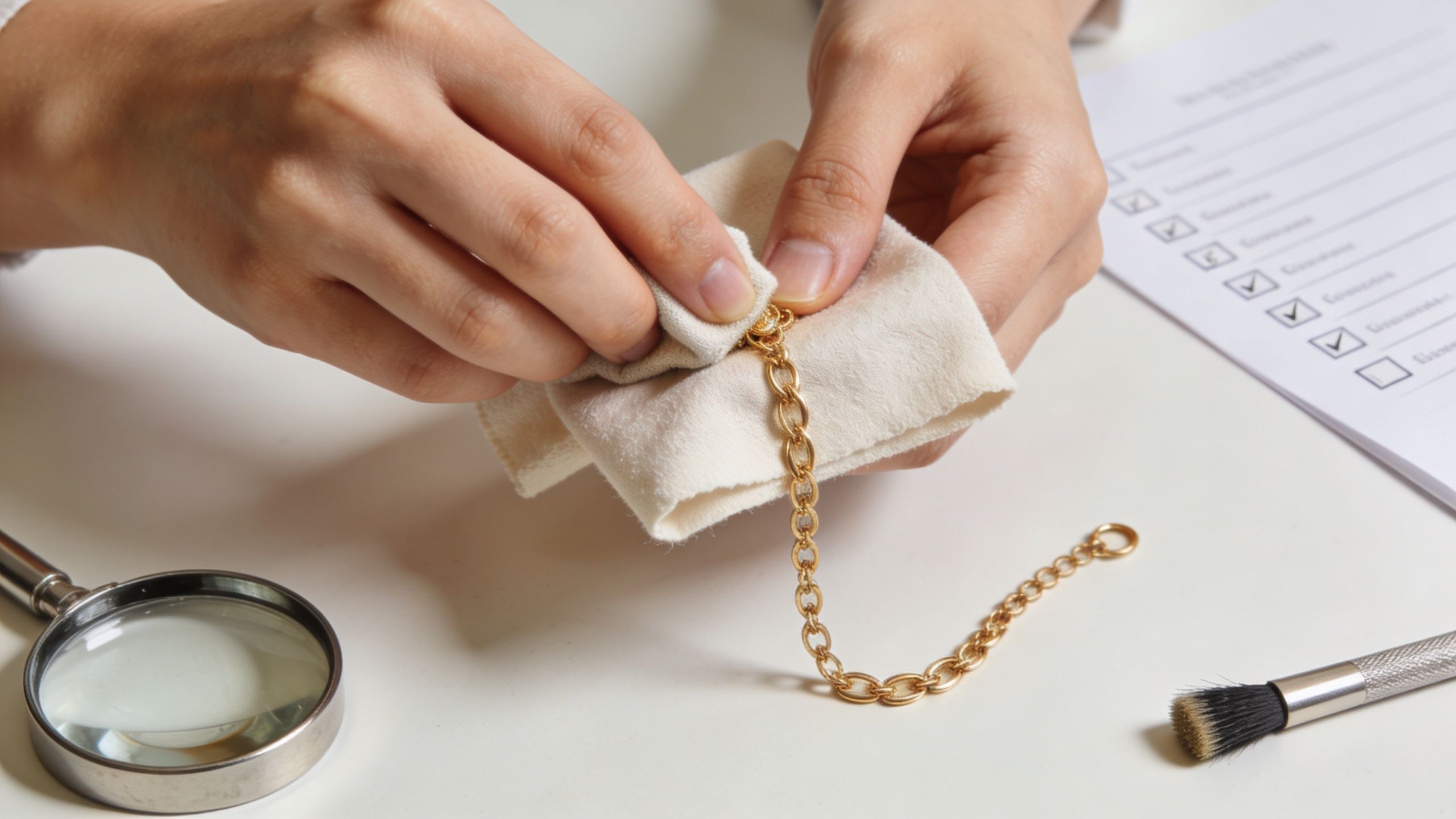
Routine Cleaning: Soak solid gold and diamond pieces in warm water mixed with mild dish soap. Gently brush around setting undersides with a soft-bristled toothbrush to clear away lotion and oil build-up, then dry thoroughly with a lint-free cloth.
Protecting Organic Gemstones: Keep freshwater pearls, opals, and emeralds away from harsh chemicals, perfumes, alcohol, and ultrasonic cleaners to safeguard their surface luster and internal moisture balance.
Safe Storage: Store fine pieces in individual soft fabric pouches or lined compartmentalized boxes to prevent diamonds—the hardest natural material—from scratching neighboring metal settings or softer gemstones.
Annual Inspections: Have a professional bench jeweler inspect stone prongs, clasp tension, and stretch mechanisms annually to stop accent stones from loosening.
Everyday Wear versus Special Occasion Curation
Building a versatile jewelry wardrobe allows you to transition seamlessly from morning routines to evening events:
Modern ear curation ("Ear Alchemy") encourages asymmetrical balance by pairing flatback studs, line huggies, and cuffs tailored to your ear's natural contours. Meanwhile, dynamic ring stacking lets you layer various metal textures—combining smooth 18k yellow gold with matte platinum bands or vintage Victorian-inspired motifs—for a look that is uniquely yours.
Frequently Asked Questions
Is solid gold fine jewelry suitable for continuous daily wear?
Yes. Solid 14k and 18k gold do not tarnish, peel, or rust when exposed to air or water. Their inherent durability and non-reactive hypoallergenic qualities make them ideal for continuous daily wear.
What certifications should I look for when purchasing fine jewelry?
Prioritize independent lab certifications from the GIA or IGI for natural or lab-grown diamonds weighing over 0.50 carats. Additionally, ensure the metal bears clear hallmark stamps (e.g., 585, 750, 950) alongside a manufacturer certificate of authenticity.
How do I calculate the resale value of my fine jewelry?
Resale value reflects the underlying precious metal weight (scrap melt value) combined with the secondary market value of certified gemstones and brand prestige. To understand the valuation process, read our expert overview on how to appraise jewelry accurately. When you are ready to sell, consult our resource on where to sell fine jewelry pieces to secure transparent market offers.
Conclusion
Whether you are building a personal jewelry wardrobe, selecting a meaningful milestone gift, or liquidating inherited fine pieces, focusing on material purity, stone quality, and craftsmanship guarantees lasting value. Authentic fine jewelry remains one of the world's few personal luxuries that seamlessly bridges daily aesthetic enjoyment with enduring physical asset value.
At Antwerp Diamond Store, we bring decades of luxury resale expertise to every interaction. Based in Atlanta, GA, we offer free evaluations, transparent market-based offers, and immediate cash payouts for luxury watches, fine diamond jewelry, and designer handbags. If you are considering releasing value from your collection, we invite you to experience our private, appointment-only consultations and immediate payment process with zero hidden fees. Learn more today at Antwerp Diamond Store.