
Rolexes can be good investments, but only in the right references, bought at the right price. The strongest cases are stainless steel sports models, and even then, a watch bought above market can lose its edge once fees and resale friction hit.
Table of Contents
The Reality of Rolex as an Investment
The popular advice is too simple. Not every Rolex appreciates, and treating the brand like a single asset class is how buyers overpay for watches that behave more like luxury goods than investments. The better way to think about Rolex is as a reference-specific collectible market, where model, condition, and entry price matter more than the crown on the dial.
That distinction matters because the data shows a split between winners and laggards. A Rolex with deep demand and supply constraints can hold value well, but many references, including plenty of Datejust configurations, don't behave like scarce assets at all. Antwerp Diamond Store's watch investment guide fits that reality, because the watch itself has to earn its resale strength.
Practical rule: Buy a Rolex because you want the watch first, then only call it an investment if the reference has real secondary-market demand.
Why the brand name is not enough
Collectors don't pay up for the logo alone. They pay for the exact reference, the condition, the completeness of the set, and whether the watch sits in a part of the market that buyers actively chase.
That is why two Rolex watches can perform very differently even when they look similar on the wrist. A steel sports model with broad global demand can behave like a liquid collectible, while a dressier or more common reference may only preserve some value and nothing more.
What buyers get wrong
The biggest mistake is assuming retail price equals investment value. It doesn't. If you buy at the wrong entry point, the watch may need to rise just to cover spread, dealer margin, and other transaction friction.
That's also why the question should never be “Are Rolexes good investments?” in the abstract. The better question is, “Which Rolex reference, at what price, in what condition, and with what exit path?” Once you ask it that way, the answer gets much more honest.
Historical Price Performance and Market Trends
Rolex charts look impressive because the brand has delivered real appreciation over time, but the path is uneven and the exit costs are what shrink the result for many buyers. A 10-year analysis of pre-owned Rolex pricing found that the average resale price climbed from under $5,000 in 2011 to more than $13,000 by 2021, which works out to roughly a 200% gain over the decade, according to the Rolex investment ROI report from ECI Jewelers. That is a strong run, but it mainly rewards buyers who chose the right reference, bought at the right level, and sold into a market that was already hungry.
A separate investment study said Rolex values appreciated 93% from 2019 to 2024, with certain sports models moving much faster. The same dataset cited the Submariner 126610LN moving from $10,250 to about $18,000, and the Daytona 116500LN rising from $13,150 to roughly $40,000, a 204% increase. Those numbers are real, but they also show the trap. Rolex is not one market, it is a collection of references with very different demand curves. ECI Jewelers' Rolex ROI report and Atlas Luxury's Rolex investment value analysis point to the same conclusion, performance depends on the exact model, not the crown alone.
Rolex versus traditional benchmarks
Bloomberg reported that prices for Rolex, Patek Philippe, and Audemars Piguet watches rose by an average of 20% per year from mid-2018 to early 2023, compared with about 8% average annual returns for the S&P 500 over the same period. That comparison flatters watches on paper, but it leaves out the basic difference in how you get paid. Rolex does not generate income, so every gain stays unrealized until you sell. Bloomberg's market coverage on watch price performance makes that point clearly.
A separate Swiss study cited in market analysis found the watch market's annual volatility was 3.90%, lower than real estate, stocks, and even fixed income in the comparison set, while luxury watches showed less volatility than those assets between January 2019 and September 2024, as noted in the Bloomberg-linked analysis above. That does not make Rolex safe. It means the market often behaves differently from public assets, and that difference can help or hurt depending on when you buy.
The correction matters more than the hype
The 2022 bubble showed how fast speculative demand can unwind. A luxury watch investment guide reported that Rolex steel sport models fell 30% to 50% from the March 2022 bubble peaks, which is the kind of drawdown many buyers ignore when they focus only on the upside. Grailr's luxury watch investment guide is a useful reminder that even the most liquid references can lose ground quickly after a surge.
The practical lesson is straightforward. Rolex has strong historical resale performance, but the numbers only work when secondary-market demand stays deep and your entry price is disciplined. If you want a model with broad resale interest, study the Datejust carefully as well, since the range of outcomes is wide there, as shown in this Rolex Oyster Perpetual Datejust price guide. Buy the watch for yourself first, then treat any upside as a bonus, not a plan.
Which Rolex Models Appreciate
The Rolex references that tend to appreciate are stainless steel sports models with tight supply and broad buyer demand. That usually means Submariner, Daytona, and GMT-Master II, not every Rolex in the catalog. Rolex is not one investment category. It is a set of different references with different resale behavior.
The strongest results usually show up in models that are hard to source and easy to sell. A 2025 dataset put the Daytona 116500LN around $13,150 at launch and about $40,000 later, which the analysis translated into roughly 204% ROI. The same data placed the Submariner 126610LN near $10,250 at launch and about $18,000 later, about 76% ROI, while the GMT-Master II moved from $10,700 to about $16,000, around 50% ROI. That kind of spread is why model choice matters more than brand loyalty, and why Atlas Luxury's Rolex investment value analysis is worth reading before you buy.
The references buyers keep chasing
The watches that keep demand are the ones with global recognition and constrained supply. In practice, that means the professional sports line, not the common configurations that sit in display cases for years.
Buyers pay for liquidity. A Rolex that serious collectors want is easier to resell than a Rolex that only has a famous logo.
The GMT family is a clear example. If you want a closer look at one of the most watched references, this GMT-Master II overview shows how much model identity drives demand. A Pepsi or Batman conversation is not just about color, it is about how the market reacts to recognizable references with active resale interest.
What usually underperforms
Many Datejust configurations do not command the same secondary-market enthusiasm. They can be excellent watches to wear, but that does not make them strong financial assets. Broader availability and steady production usually cap upside.
Use this rule. If a Rolex reference is easy to find, easy to replace, and not especially sought after by collectors, it usually behaves like a premium watch, not an investment-grade one. If it is a steel sports watch with persistent demand, the odds improve.
If you want to estimate what you would keep after a sale, use this tool to calculate investment gains before you assume a headline profit means real money in your pocket.
Rolex Model Performance Comparison | Starting Price | Current Price | ROI |
|---|---|---|---|
Daytona 116500LN | $13,150 | about $40,000 | about 204% |
Submariner 126610LN | $10,250 | about $18,000 | about 76% |
GMT-Master II | $10,700 | about $16,000 | about 50% |
The right model matters more than the brand. That is the whole story.
Hidden Costs That Erase Your Returns
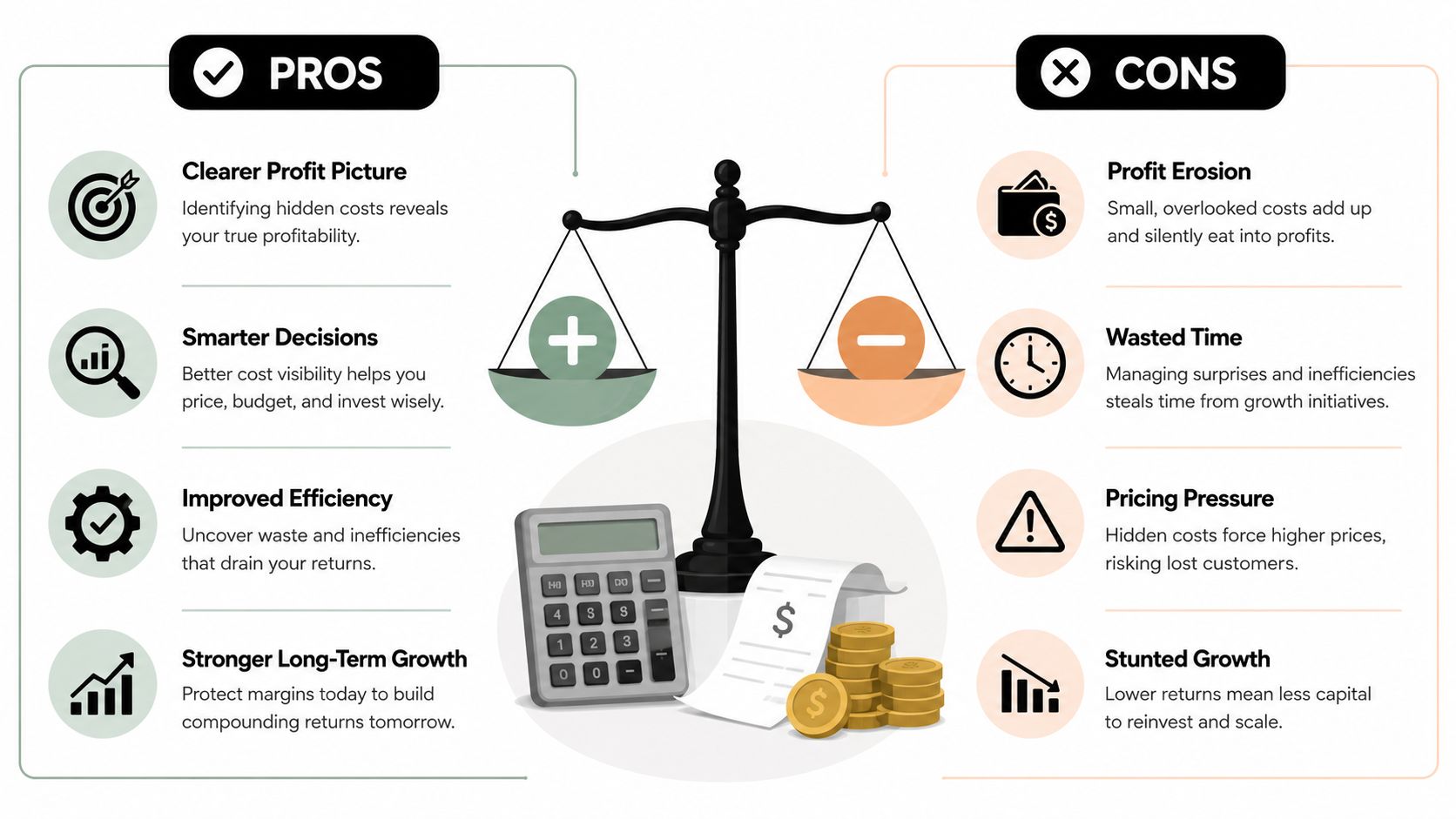
Most Rolex investment talk falls apart here. Buyers focus on appreciation charts and ignore the friction that cuts into real profit. One 2026 analysis estimated total transaction costs at 15 to 25% and holding costs at 1 to 3% per year, while also noting that Rolex sport watches traded at an average premium of 73% over MSRP. That analysis explains why many buyers start underwater before the watch even leaves the dealer.
If you buy above retail, your watch needs to climb just to get you back to even. That's the hard truth. In some cases, the market premium can be even steeper, which means the buyer pays for hype upfront and hopes the resale market stays generous later.
The costs that quietly matter
Dealer spreads are the first drag. Then come fees, taxes, shipping, insurance, and the time cost of waiting for the right buyer. If the watch needs servicing or polishing, those costs can add more pressure to the exit price.
For owners in Atlanta, Buckhead, Sandy Springs, Alpharetta, Roswell, Brookhaven, and Midtown Atlanta, the practical issue is the same. Local demand helps, but local demand does not erase resale math. If you need a precise sale analysis, even a service page like watch polishing cost guidance can help you think about how condition changes the final number.
Break-even rule: If the buy price already includes a premium, assume your resale needs to beat both market movement and all exit costs.
Don't guess the real profit
A lot of sellers think gross appreciation is the same as net profit. It isn't. If you want to understand what you'd keep after the sale, use calculate investment gains as a starting point, then factor in dealer spread and holding time.
A polished watch, complete set, and strong reference can improve the outcome, but none of that changes the basic math. The question is not whether Rolex can rise. The question is whether it can rise enough to clear the cost of owning and selling it.
How to Buy and Sell for Maximum Returns
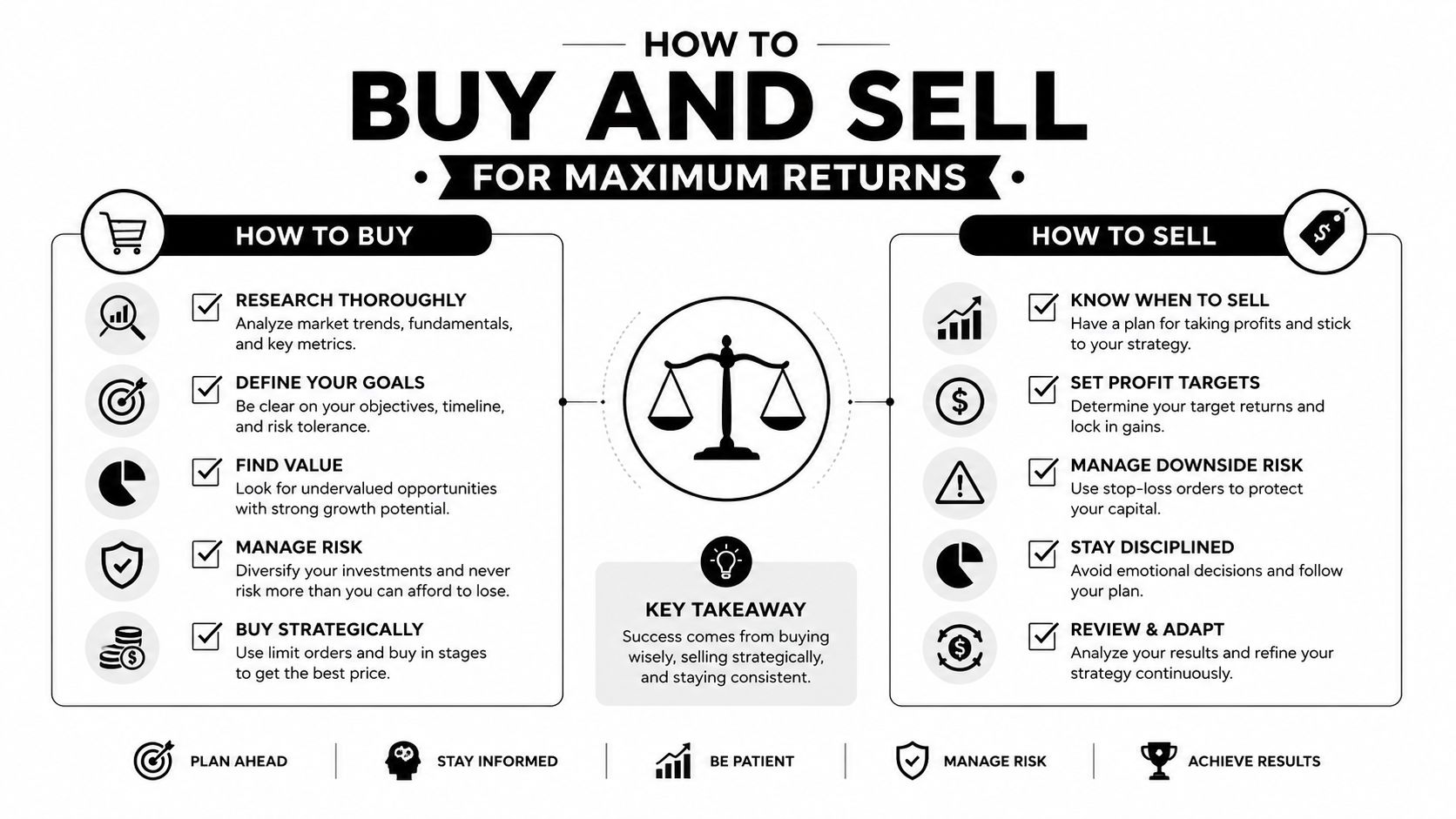
If you want the best shot at making money on a Rolex, buy the reference the market already wants, not the one sales staff is trying to move. That means steel sports models with known liquidity, strong condition, and complete documentation. It also means staying disciplined when the watch is priced too far above fair secondary-market levels.
Start with entry price. If the watch is trading at a steep premium, the investment case gets weaker fast. A buyer who pays attention to box, papers, bracelet links, service history, and original condition gives themselves a better exit, because serious buyers pay for completeness.
What to check before you buy
Reference and demand: Confirm the exact model, not just the collection name. A Daytona, Submariner, and GMT-Master II do not behave the same way.
Condition and originality: Inspect the dial, bezel, case edges, bracelet stretch, and any signs of aggressive polishing.
Documentation: Keep the box, papers, warranty card, and service records together. Missing items can reduce buyer confidence.
Exit channel: Decide whether you'll sell privately, through a dealer, or to a specialist buyer before you purchase.
A good seller does the reverse. They gather every accessory, keep service receipts, and avoid last-minute polishing unless it improves the watch's presentation. Buyers notice these details immediately.
Where to sell matters
The right buyer can make a real difference. Auction houses fit rare trophy pieces, but many owners want a direct, confidential sale with less wait time. In that situation, a specialist buyer or appraiser can be the better path, especially if you want a fast evaluation and a clear offer.
For sellers comparing options, Antwerp Diamond's Rolex selling guide is useful because it reflects how condition, demand, and documentation shape the final number. Antwerp Diamond also handles in-person evaluations for Atlanta-area clients and remote submissions for national sellers, which is practical when you want a sale decision instead of a long consignment process.
If tax treatment is on your mind, a separate resource like the guide for medical professionals on windfall tax can help you think about broader proceeds planning, but it's still smart to speak with a qualified professional for your own situation. The sale process itself should stay simple, clear, and document-driven.
Making Your Decision Framework
Rolex makes sense as an investment only when three things line up, the reference is desirable, the entry price is sane, and the exit path is realistic. If one of those pieces is weak, the watch is probably a luxury purchase with possible resale value, not a clean investment. That's a more honest way to buy.
If you're evaluating a watch, use this simple filter. First, ask whether it's a stainless steel sports model with deep demand. Second, ask whether it's priced close enough to market that fees won't wipe out the upside. Third, ask whether the condition, accessories, and service history support a strong resale story.
A fast buyer's checklist
Is the reference collectible? If the model isn't one buyers chase, skip the investment story.
Is the price justified? A premium can be acceptable, but only if the reference has a history of holding demand.
Can you exit cleanly? If selling will be hard, slow, or heavily discounted, treat the watch as a wear-first purchase.
Would you still want it if the market stayed flat? If the answer is no, don't buy it as an investment.
Bottom line: Rolex is a better store of value than most watches, but only the right references behave like assets worth tracking.
For a broader way to think about the purchase, how to evaluate investments for growth is a useful framework, because the same discipline applies here, compare upside against cost, liquidity, and holding period. That's the mindset serious buyers use in Atlanta, Buckhead, Sandy Springs, Alpharetta, Roswell, Brookhaven, and Midtown when they decide whether to buy, hold, or sell.
Frequently Asked Questions
Are Rolexes good investments? Yes, but only certain references. Steel sports models usually have the strongest case, while many other Rolexes are better viewed as luxury watches with resale value.
How long should I hold a Rolex if I want investment upside? Long enough for the market to absorb your entry price and for demand to work in your favor. Short holds are risky because transaction costs can eat the gain.
Are vintage Rolexes better than modern ones? Not always. Vintage pieces can be more collectible, but they also bring more condition risk, more authenticity scrutiny, and less predictability.
Should I insure a Rolex I plan to resell? If the watch is valuable enough that a loss would hurt, insurance is worth discussing with your provider. Keep the invoice, serial details, and photos together.
Is it better to sell privately or to a specialist buyer? Private sales can work, but they take more time and more risk. A specialist buyer is often the cleaner route if you want speed, confidentiality, and a straightforward offer.
If you're deciding whether to sell, borrow against, or understand the value of your Rolex, bring it to Antwerp Diamond for a direct evaluation. Visit Antwerp Diamond to get a confidential review of your watch, compare the resale options, and make a decision based on current market demand instead of guesswork.