
Scottsdale is a strong place to sell jewelry because the local market shows at least 29 years of documented continuity by mid-2026, with established buyers serving the area since 1997, and one Scottsdale buyer citing 13 consecutive years of local recognition. If you want a fair offer, the most reliable method is to compare 2 to 3 same-day quotes and ask for a written breakdown of karat groups, gram weights, spot-price reference, payout logic, and final offer.
If you're reading this, you're probably holding something valuable and trying to make a smart decision without getting talked down, rushed, or confused. That might be a diamond ring from a past relationship, inherited estate jewelry, broken gold chains, or a branded piece from Cartier or Tiffany & Co. that no longer fits your life.
Scottsdale gives you real options. You can meet a local buyer face to face, or you can widen the field and work with a national specialist through a secure remote process. The right choice depends on your item, your timeline, your comfort with shipping, and how much transparency you expect from the offer.
Table of Contents
Your Guide to Selling Jewelry in Scottsdale
Scottsdale isn't a casual resale market where you hope to stumble into the one buyer who understands your piece. It has dedicated jewelry-buying businesses, established locations, and appointment-based models that fit high-value transactions. That matters because serious jewelry sales depend on controlled evaluation, not impulse counter offers.

Public business listings show buyer offices and storefronts on Scottsdale Road near Shea, East 5th Avenue, and Northsight Boulevard, with some emphasizing appointment-only service and weekday hours through Scottsdale jewelry buyer business listings. That's a sign of a structured market where jewelry, gold, and estate pieces are evaluated in a professional setting.
Most sellers don't need more marketing language. They need a simple process they can trust.
What usually works
A clean, fair sale usually follows this sequence:
Identify the item correctly: Fine jewelry, scrap gold, estate jewelry, designer jewelry, and diamond pieces don't all get valued the same way.
Gather what supports value: GIA reports, original boxes, receipts, repair records, and branded packaging can all help a buyer assess resale potential faster.
Get more than one opinion: A single offer might be fair, but you won't know that without comparison.
Ask how the number was built: If a buyer can't explain the difference between metal value, stone value, and brand premium, the process is too opaque.
Choose the right selling channel: Local and remote both work. The better option depends on convenience, privacy, and who is strongest for your specific item type.
Practical rule: If the buyer only repeats "top prices" and won't show the math, slow the process down.
A first-time seller often benefits from reading a broader guide on where to sell fine jewelry before booking appointments. That extra preparation helps you separate a polished sales pitch from a professional evaluation.
Where to Find Reputable Scottsdale Jewelry Buyers
The good news is that Scottsdale already has the kind of secondary market serious sellers want. The better question isn't whether buyers exist. It's how to tell who evaluates jewelry well, pays fairly, and handles the transaction with enough clarity that you can trust the result.
One useful trust signal is market continuity. The Scottsdale area has a mature secondary market for fine jewelry, with some established buyers serving the community since 1997 and others earning "Best of Scottsdale" recognition for over a decade. Independent directory activity also shows strong category engagement, including one business with 217 reviews as of 2026, as noted by this Scottsdale jewelry buyer overview. Longevity and review volume don't guarantee the best offer, but they do show you're dealing with an established category rather than an ad hoc resale scene.
What to look for in a buyer
A reputable buyer usually shows several of these traits at once:
Signal | Why it matters |
|---|---|
Clear business location | High-value goods need secure intake and controlled handling |
Appointment availability | Better for privacy, unrushed evaluation, and larger lots |
Ability to separate components of value | Important for mixed lots, branded pieces, and estate jewelry |
Written offer structure | Lets you compare one buyer against another intelligently |
Comfort with documentation | Serious buyers want to see reports, hallmarks, receipts, and maker marks |
The biggest mistake I see sellers make is choosing based on convenience alone. A nearby office is helpful, but convenience doesn't fix weak pricing logic.
Local buyer or broader-market specialist
A Scottsdale buyer can be a strong fit if you want face-to-face interaction, immediate decisions, and no shipping. That's especially useful for sellers with straightforward gold jewelry, a small estate lot, or a piece they want sold today.
A national specialist can be the better option when the item has a stronger resale story than a local melt-based offer captures. That includes larger diamonds, signed jewelry, unusual estate pieces, branded collections, or high-end jewelry sold alongside watches or handbags. In those cases, a broader buyer network may produce a more nuanced offer because the evaluator isn't looking only at local turnover.
For Scottsdale residents comparing options, one remote path is where to sell jewelry for cash, including specialist buyers such as Antwerp Diamond Store that handle secure remote evaluations for U.S. clients. That doesn't mean remote is always better. It means local isn't your only serious option.
A trustworthy buyer doesn't ask you to trust vague promises. They show you how they reached the number.
How to Prepare Your Jewelry for an Appraisal
Preparation changes the tone of the appointment. When you walk in organized, you make it easier for the buyer to assess your item accurately and harder for anyone to gloss over details that affect value.
Start with a seller's checklist
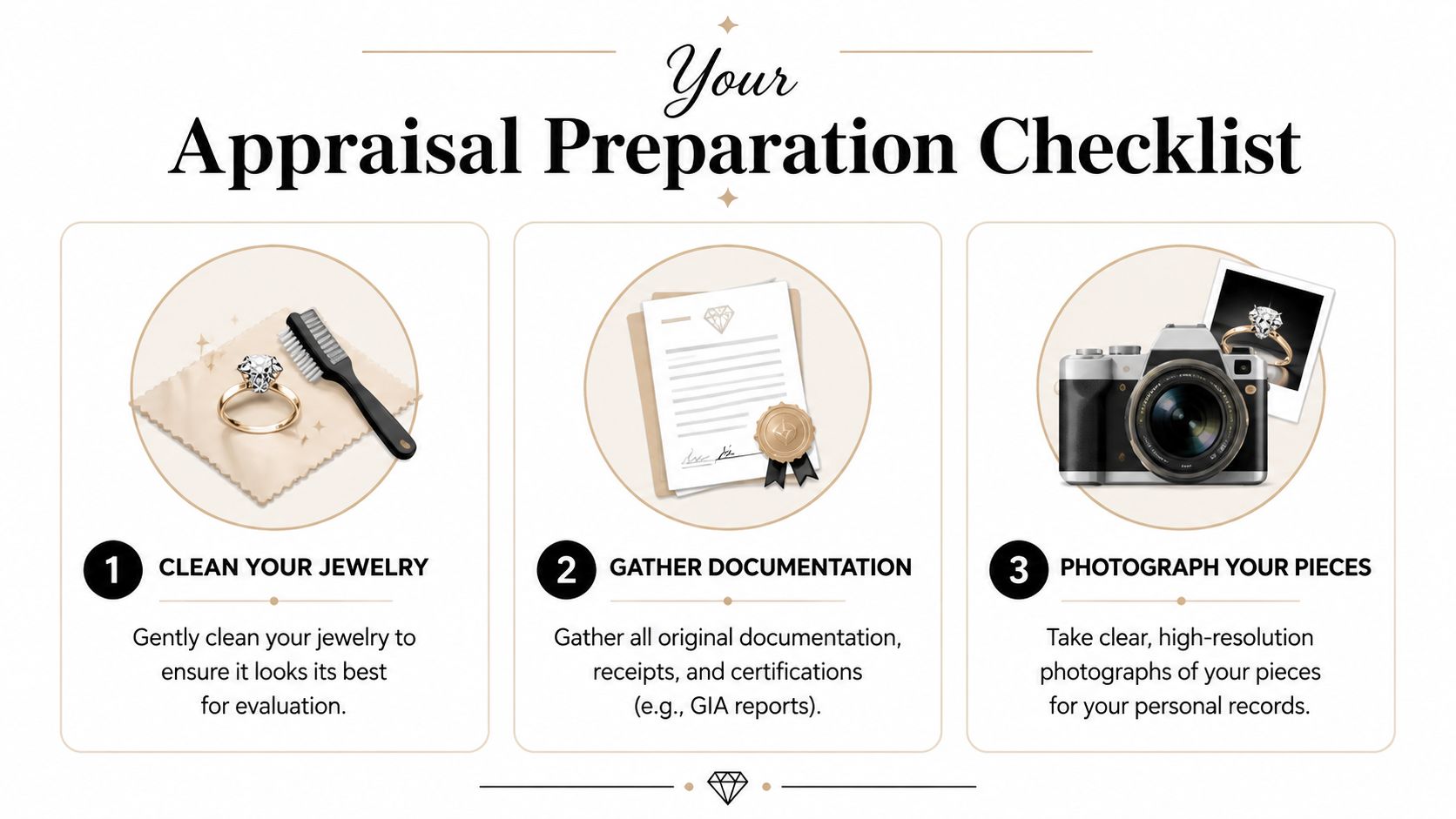
Use a simple prep routine before you meet any jewelry buyers in Scottsdale:
Gather paperwork: Include GIA diamond reports, original receipts, brand boxes, service records, warranty cards, and prior appraisals.
Sort by category: Keep scrap gold separate from diamond jewelry, estate pieces, and signed designer items.
Record the basics: Write down what each item is, any known metal type, any gemstone details, and whether pieces are damaged or repaired.
Photograph everything: Use natural light, a plain background, and close shots of hallmarks, stamps, and brand signatures.
Handle cleaning carefully: Wipe gently with a soft cloth if needed, but don't aggressively polish antique, fragile, or pavé-set items.
A lot of sellers over-clean jewelry. That's risky. Harsh polishing can soften engraving, disturb patina on estate pieces, and sometimes make an older item look less original.
What helps an appraiser most
A buyer can do more with good information than with a dramatic story about what the piece "must be worth." Practical details matter more.
Bring these if you have them:
Diamond grading reports: Especially from GIA
Brand identifiers: Cartier, Tiffany & Co., Van Cleef & Arpels, David Webb, Buccellati, and similar houses
Matching components: Second earrings, detachable pendants, extra links, original clasps
Repair history: Stone replacement, shank resizing, clasp changes, solder work
Bring the missing earring back, the old certificate, the box, even the broken clasp. In resale, completeness often affects confidence.
If you'd like to understand what an evaluator looks for before your appointment, this guide on how to appraise jewelry is a useful starting point. It helps you frame the conversation around evidence instead of guesswork.
How Jewelry Appraisals and Offers Work
The part that confuses sellers most isn't whether the item has value. It's why the number offered can differ so sharply from an old insurance appraisal or a retail receipt.
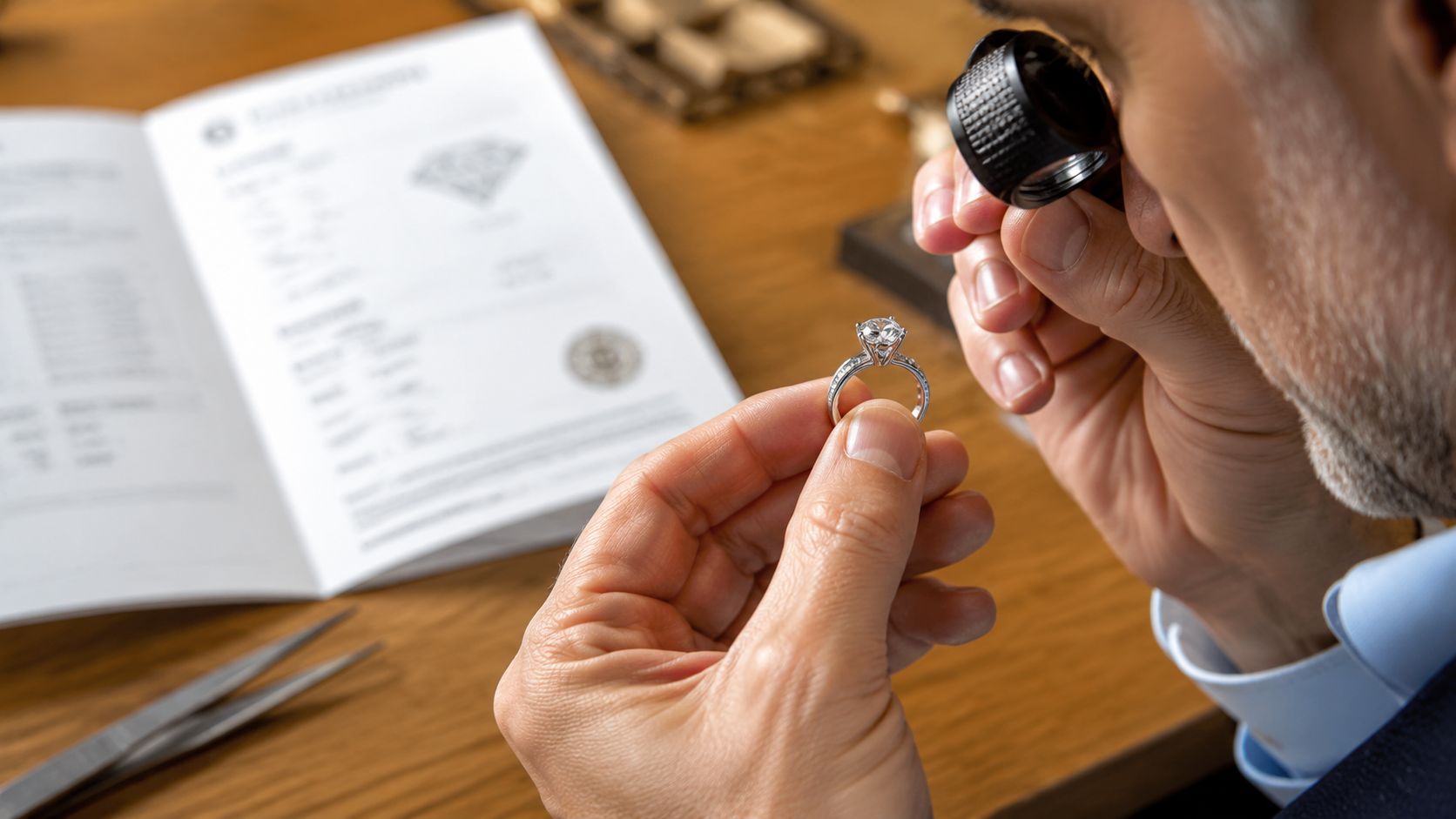
A buyer isn't pricing what it cost to buy new. They're pricing what they can responsibly pay today based on current resale demand, metal content, gemstone quality, brand desirability, and the work required to resell or repurpose the piece.
Why insurance value and resale value are different
An insurance appraisal is usually designed to support replacement in a retail environment. That's not the same thing as immediate resale value in the secondary market.
If you bring in a ring with a high insurance figure, a buyer won't ignore it, but they also won't treat it as a direct cash benchmark. They need to know what the diamond is, whether the mounting adds resale appeal, whether the piece is signed, and whether the market is active for that exact style right now.
Here is where many offers break down:
Metal-only pricing: Common for broken, generic, or heavily worn pieces
Stone-plus-metal pricing: Typical when the center diamond or gemstones are commercially resalable
Brand-led pricing: More likely for signed houses with buyer recognition
Estate or design pricing: Relevant when craftsmanship, period, or rarity creates collector appeal
What a serious buyer is actually pricing
For mixed-item lots, the key issue is whether the buyer is separating value streams properly. Existing buyer messaging often highlights free evaluations and instant payment, but sellers still struggle to get a clear explanation of how value is split between gold melt, diamond resale, brand premium, and condition-based deductions, as reflected in Scottsdale buyer-facing messaging and review context.
That matters if you're selling things like broken bracelets, single earrings, outdated designer pieces, or a tray of inherited jewelry with mixed karat stamps. Those lots can be priced intelligently, but only if the buyer sorts them instead of flattening everything into one vague figure.
For the most accurate assessment, experts recommend a same-day 2 to 3 quote comparison with a written breakdown of gram weights, karat groups, the spot-price reference, and the final offer through this explanation of comparing gold buyer offers. This isolates the buyer's payout logic more effectively than comparing offers from different days.
A useful visual overview of the evaluation process is below.
When you review an offer, ask for these points in writing:
Ask for this | Why it helps |
|---|---|
Karat groups separated | Prevents higher-purity gold from being blended down |
Gram weights listed | Lets you verify what was actually tested and weighed |
Spot reference identified | Keeps the benchmark visible during comparison |
Stone notes included | Shows whether diamonds or colored stones were ignored |
Final offer by item or group | Makes side-by-side quote comparison easier |
Selling In Person vs Using Insured Shipping
This is the real fork in the road for many Scottsdale sellers. Do you stay local and handle the transaction across a counter, or do you use insured shipping to reach a specialist outside Arizona?

Neither method is automatically better. The right choice depends on the item and on what kind of transaction gives you the most confidence.
When in-person selling makes sense
In-person selling works well when you want speed, direct conversation, and immediate closure. For straightforward gold jewelry, estate lots with modest complexity, or situations where you want same-day payment, a local appointment can be the simplest path.
Benefits of in-person selling include:
Direct handoff: You don't have to package or ship anything.
Immediate reaction: You can ask follow-up questions in real time.
Local comfort: Some sellers feel better seeing the evaluation happen in front of them.
The trade-off is selection. If your item needs a specialist eye, such as a branded diamond piece or a higher-end estate jewel, the strongest buyer might not be the nearest one.
When insured shipping can be the better move
Insured shipping makes sense when your item may appeal to a broader resale audience than a local buyer serves. It also helps if privacy matters, your schedule is tight, or you want to compare beyond Scottsdale without flying with valuables.
Here's a simple side-by-side view:
Factor | In person | Insured shipping |
|---|---|---|
Convenience | Requires appointment and travel | Can start from home |
Privacy | Private if appointment-based | Private without local visits |
Market reach | Usually local or regional | Potentially broader specialist reach |
Speed | Often fastest if you accept on site | Depends on transit and review |
Comfort level | Strong for face-to-face sellers | Strong for sellers comfortable with process and documentation |
If you ship, pack like you're protecting both the item and the chain of custody. Use inner wrapping, a plain outer box, and keep a photo record of contents before sealing. If you need sturdy packaging, suppliers that provide boxes for sending items can help you avoid weak mailers that crush easily in transit.
The safest shipment is the one that's documented, discreetly packed, and sent only after you understand the buyer's intake process.
A remote option can be especially useful for diamond rings and signed jewelry. If you're weighing that route, this overview of how to sell a diamond ring online explains what to verify before sending anything out. The main questions are practical: Who is receiving it, how is it insured, what happens if you decline the offer, and how is return shipping handled?
FAQs for Selling Jewelry in Scottsdale
Is Scottsdale a good place to sell jewelry
Yes. Scottsdale has a mature secondary market with established jewelry-buying businesses, dedicated locations, and a long operating history in the category. That gives sellers real choice, but you still need to vet the buyer and compare offers carefully.
What percentage of spot price is fair for gold
There isn't one universal answer that fits every transaction. The more useful standard is transparency. Ask for the spot-price reference used that day, your gram weights, your karat groups, and the final payout logic in writing.
Can I sell jewelry without the original paperwork
Yes, you can. Documentation helps, especially for diamonds and signed jewelry, but many items can still be evaluated through metal testing, hallmark inspection, condition review, and gemstone examination.
Should I clean my jewelry before selling it
Light cleaning is fine. Aggressive polishing is not. Older pieces, pavé settings, antique jewelry, and delicate finishes can lose appeal or originality if they're over-cleaned.
What are red flags when dealing with jewelry buyers in Scottsdale
Watch for buyers who won't explain the offer, rush you to accept, mix different karat items together without clarity, or dismiss diamonds and brand signatures without comment. A serious evaluator should be able to explain what they're buying and why.
Do broken pieces still have value
Often, yes. Broken chains, single earrings, damaged rings, and mismatched pieces may still carry metal value, and sometimes individual stones or brand components add more.
How do I know if my diamond is real before I sell
A professional examination is the safest route. If you're unsure about your stone, this guide on what a genuine diamond means can help you understand the basics before an appraisal.
Is a remote buyer less trustworthy than a local one
Not necessarily. Trust comes from process, not zip code. What matters is clear communication, documented intake, secure shipping, transparent evaluation, and a return process you understand before you send the item.
If you're comparing jewelry buyers in Scottsdale and want another informed opinion, Antwerp Diamond offers confidential evaluations for fine jewelry, diamonds, watches, handbags, and precious materials through in-person appointments in Atlanta and secure remote service for U.S. sellers. If you have a ring, estate piece, or signed jewelry and want a clear, no-pressure review of what it's worth on the resale market, it's a practical place to start.