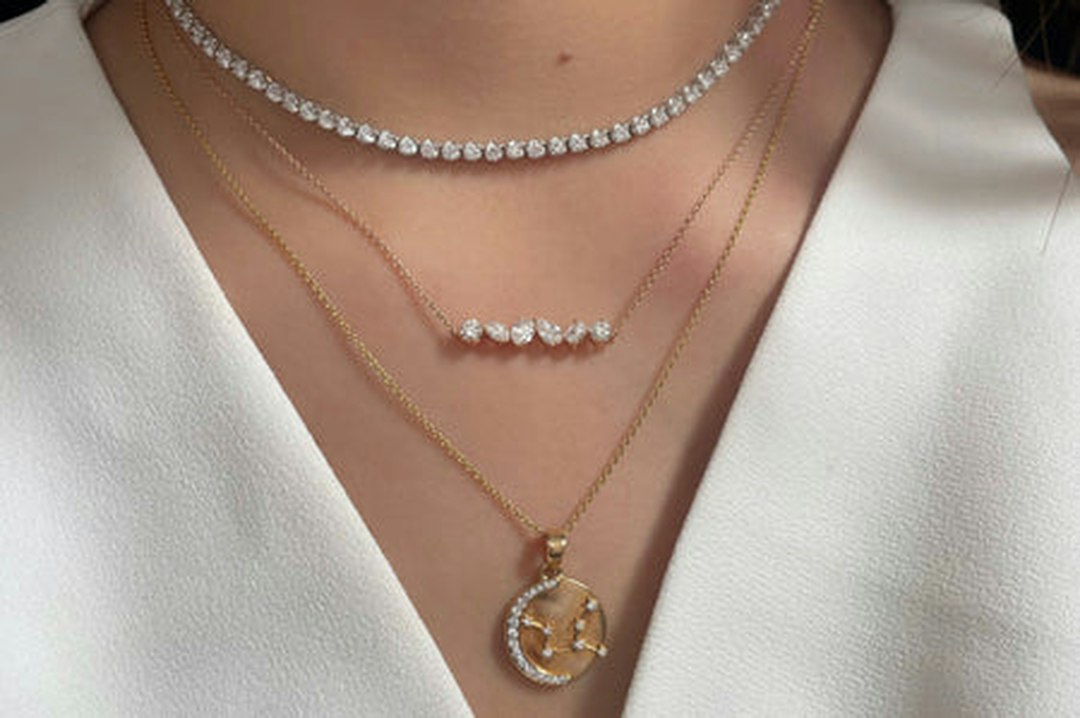

A diamond watch bezel can add visual appeal, but the value question comes down to one thing, factory-original versus aftermarket. In many cases, a factory-set bezel is easier to sell and can support a stronger offer, while a later-added bezel may narrow the buyer pool even if the stones are attractive.
Table of Contents
What Are Factory and Aftermarket Diamond Bezels
A diamond watch bezel is the ring of diamonds set around the crystal, and the first thing I look at is who installed it. If the watch brand designed, made, and set the bezel itself, that's a factory-original bezel. If a third-party jeweler added it later, that's aftermarket, and that distinction often drives the offer more than the sparkle does. Industry guidance defines factory-original bezels as those “designed, made, and set with diamonds by the watch brand itself,” while aftermarket bezels are added later by third parties, creating real differences in price, collector demand, and liquidity, as discussed in luxury diamond watch bezels.
For sellers, this isn't a minor detail. Factory work supports provenance, keeps the watch visually consistent with the brand, and usually feels safer to buyers who care about originality. Aftermarket work can still look excellent, but it changes the conversation from brand integrity to customization.
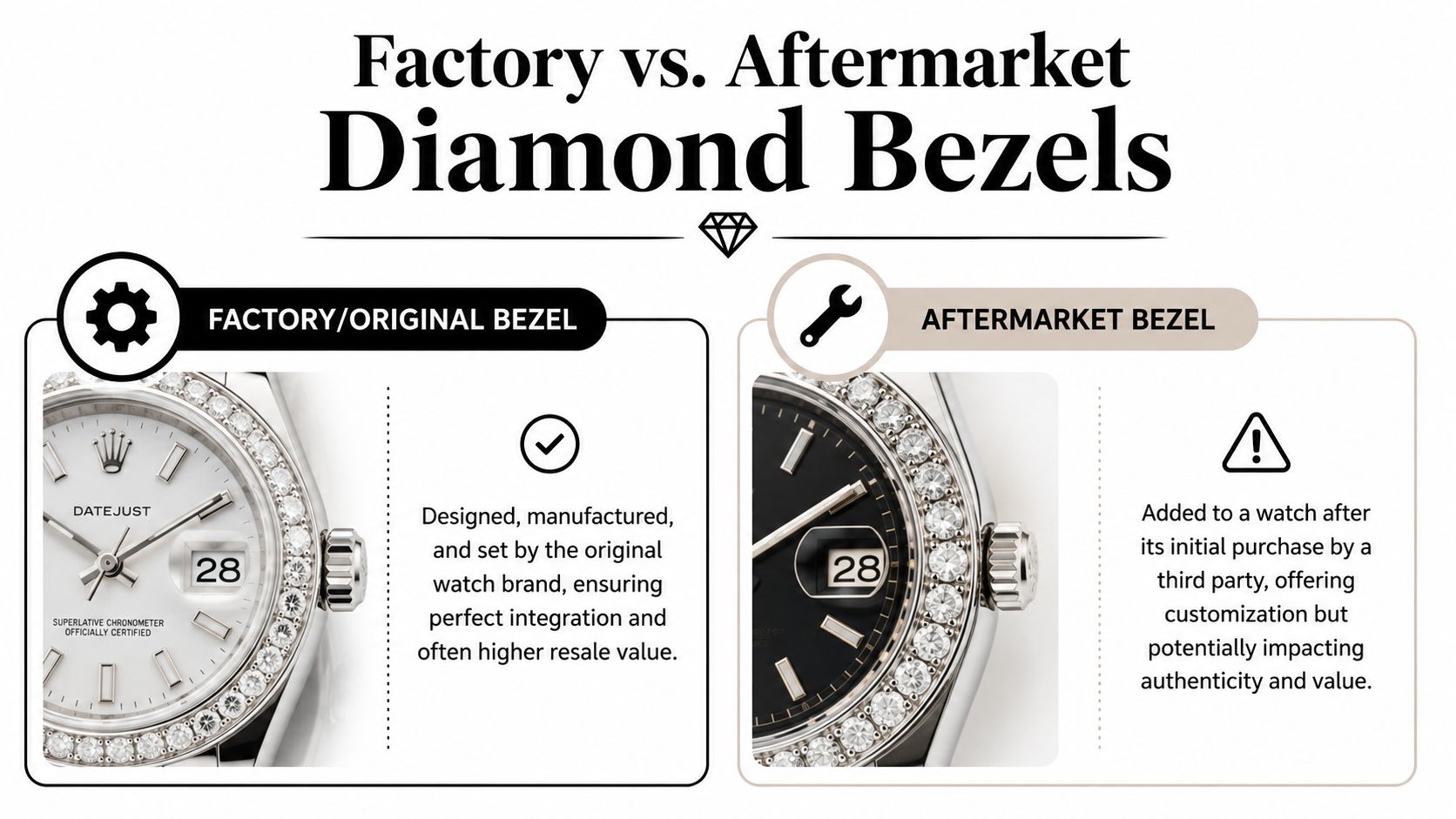
Factory vs. Aftermarket Diamond Bezel Comparison
Attribute | Factory Bezel (Original) | Aftermarket Bezel (Custom) |
|---|---|---|
Provenance | Designed, manufactured, and set by the watch brand | Added later by a third party |
Buyer confidence | Usually higher among brand-focused buyers | Depends on workmanship and disclosure |
Resale positioning | Often easier to place in the market | Can reduce appeal to purist collectors |
Brand integrity | Matches the original design language | May change the watch's identity |
Liquidity | Typically stronger when documentation is clear | Can be slower if the buyer wants originality |
Value perception | Provenance matters as much as the diamonds | Diamond quality matters, but so does modification |
A practical rule is simple. If two watches are otherwise similar, the one with an original factory bezel usually has the cleaner story for resale. A custom watch can still be desirable, but the offer often reflects the extra work as a style choice, not as a brand-backed upgrade.
Practical rule: When a bezel is original, buyers price the watch as a branded luxury piece. When it's aftermarket, they start pricing it as a customized watch.
For sellers in Atlanta, Buckhead, Sandy Springs, Alpharetta, Roswell, Brookhaven, or Midtown Atlanta, that distinction matters even more because local buyers tend to ask whether the bezel is original before they talk numbers. I also recommend reading our guide to iced watches for men if you're comparing a fully iced look against a lighter bezel-only modification.
How Diamond Bezels Affect Your Watch's Value
A diamond bezel can improve how a watch presents, but it doesn't automatically improve what a buyer will pay. The market usually rewards factory-original bezels more consistently because they preserve brand identity and reduce uncertainty. By contrast, an aftermarket bezel can make the watch harder to place, especially if the next buyer wants the original configuration.
The value impact depends on the buyer
Some buyers want the visual upgrade and don't mind customization. Others are buying a Rolex, Audemars Piguet, or Patek Philippe because they want the watch to remain as close as possible to the brand's original specification. Those two buyer types often pay differently for the same piece, which is why resale liquidity can move in opposite directions.
A useful benchmark suggests that diamond bezels may command a 20% to 50% premium over plain bezels, but that figure doesn't guarantee every watch sells higher on the open market. The same guidance also warns that factors like originality, condition, and documentation often take precedence over added stones when a seller needs fast, credible liquidity, as noted in how diamond bezel choices affect resale value. That's the part sellers miss most often.
A bezel can make the watch look more expensive without making it easier to sell.
That's why I treat the bezel as one input, not the whole valuation. A clean, documented factory bezel supports a stronger offer because the buyer knows what they're getting. A custom bezel may still appeal to a fashion-driven buyer, but it can also shrink the market and slow the sale.
For a broader pricing framework, our page on how we evaluate luxury watches shows the same principle in practice. The watch, the brand, the condition, and the paperwork all shape the final number, and the bezel only helps if it fits the buyer's expectations.
How to Authenticate a Diamond Watch Bezel
Authentication starts with the eye, then moves to the magnifier. I tell sellers to look for the signs that usually separate a factory-style finish from a later modification. The goal isn't to self-certify the watch, it's to know whether the bezel is likely to support a stronger offer or trigger more scrutiny.
Visual cues that matter
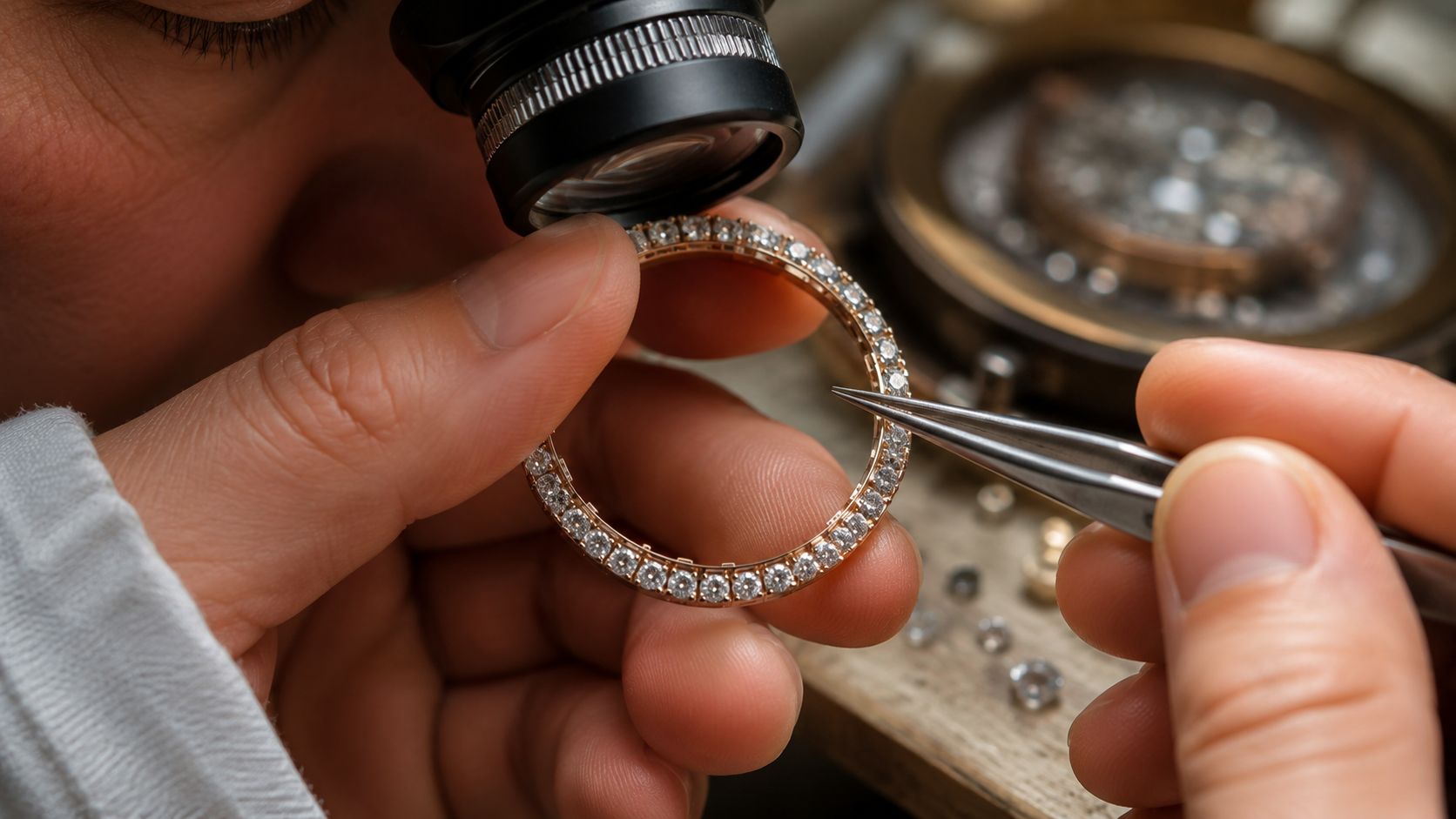
Start with the setting line. Genuine diamond bezel work should show no adhesive or epoxy lines, uniform stone height, and clean metal transitions, while aftermarket bezels often show tool marks, mismatched metal tones, or excess weight gain, according to expert bezel identification guidance. If any of those red flags appear, the bezel deserves a closer look.
Then check how the stones sit across the full circle. Stones should look even in height and spacing, not tilted, recessed, or irregularly seated. If you see uneven surfaces, the bezel may have been re-set or modified.
A seller can do a quick pre-check with three questions:
Do the stones sit evenly? If the row looks inconsistent, expect more questions from a buyer.
Are the metal transitions clean? Rough edges usually point away from factory-level finishing.
Does the bezel match the case tone? A mismatch can signal replacement parts or later work.
The most reliable next step is an expert review, because a bezel can look good at arm's length and still fail under magnification. If you're preparing to sell, request a free evaluation from our experts before you assume the bezel will raise your offer.
Diamond Quality and Typical Costs
Once the bezel itself passes the originality check, the diamonds become the next value layer. Buyers care about the 4Cs, but in a bezel the way those stones are cut, matched, and set matters just as much as the single-stone grading language people know from rings. Small diamonds still create a meaningful cost difference when the total layout is precise and the stones are well matched.
Carat weight and fit are tied together
A bezel is not just a pile of stones. It has to fit the case geometry exactly, which is why size compatibility matters so much in valuation. A custom diamond bezel for a 41 mm Rolex Datejust II can be specified with a 4.46 ct total weight, showing how closely carat weight and case shape are connected in real bezel work, as shown in this Datejust II bezel example.
That's also why a buyer will ask about the watch reference, case diameter, and profile before making an offer. A bezel that fits one case perfectly may not be suitable for another, and valuation follows that compatibility. For Rolex-sized bezels, case diameter is a key verification point when the reference number is unknown, as noted by a bezel supplier's sizing guidance.
The diamonds themselves matter too. Well-matched stones with secure settings usually support value better than loose, poorly aligned, or visibly worn stones. If you're trying to estimate what the stones alone contribute, our guide to how much a diamond is worth gives helpful context for the broader pricing logic.
Practical note: In bezel work, matching and setting quality can be just as important as the stones' individual appearance.
For sellers, the takeaway is straightforward. A bezel with clean craftsmanship and a correct fit is easier to price. A bezel with the right carat total but poor workmanship usually draws a lower and more cautious offer.
Safely Selling Your Diamond Bezel Watch
Selling a diamond bezel watch works best when the buyer can explain the offer clearly. You want a private review, a real explanation of the bezel, and a process that doesn't pressure you to accept before you understand the numbers. That matters whether the watch is factory-original or custom set.
What a secure sale process should look like
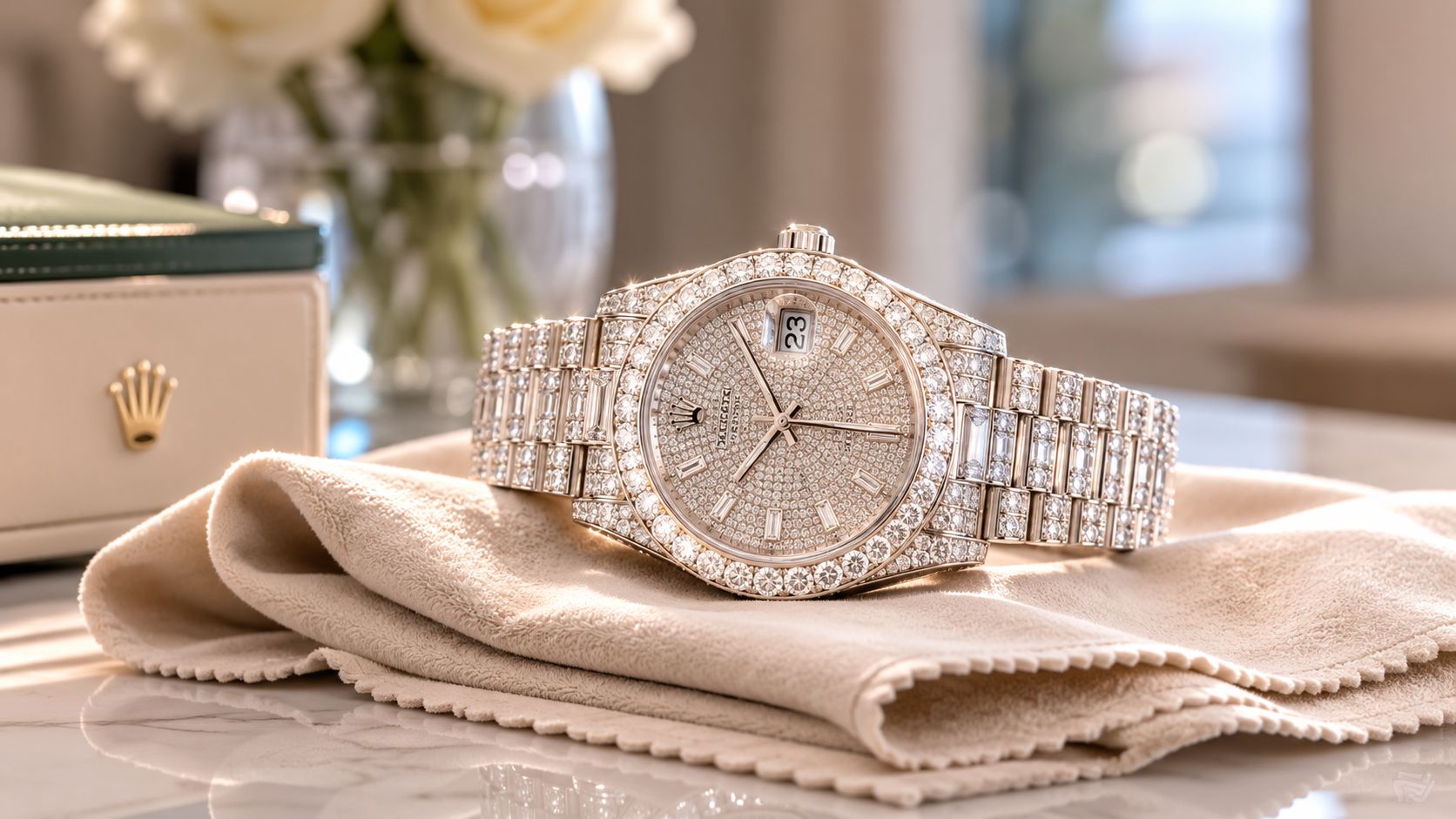
A serious buyer starts with inspection, not assumptions. They check the bezel, case, bracelet, paperwork, and overall condition, then explain what supports value and what holds it back. If the bezel is aftermarket, the offer should reflect that clearly rather than hiding the issue.
For remote sellers, a fully insured shipping process can make sense if the buyer explains the handling and returns policy in plain language. For local clients, private in-person evaluations in Atlanta, including Buckhead, are more comfortable because you can ask questions face to face. That's the kind of process I'd expect from a buyer who understands luxury watches instead of just buying metal and stones.
Antwerp Diamond is one option for sellers who want that kind of review, including private appointments and secure shipping for clients who are not nearby. If you're comparing online and local buyers, our guide to online watch buyers is worth reading before you send anything out.
A good sale usually comes down to three things:
Clear disclosure: The buyer tells you whether the bezel is original or modified.
Documented inspection: The condition of the stones and setting is reviewed carefully.
No-pressure offer: You get a number you can compare, not a rushed decision.
If you're in Georgia and want a practical answer before committing, bring the watch in or start with a confidential review. That's the fastest way to find out whether the bezel helps your offer or instead changes the buyer profile.
Frequently Asked Questions About Diamond Watch Bezels
Can you add a factory diamond bezel to a watch that didn't have one?
No, not in the literal sense. A factory bezel only exists when the watch brand designed and installed it at the time of production. If a bezel is added later, it's an aftermarket modification, even if the workmanship is excellent.
Does an aftermarket diamond bezel void my watch's warranty?
That depends on the brand and the service history, so you should check the manufacturer's policy directly. From a resale standpoint, the bigger issue is usually not the warranty itself, but the fact that the bezel is no longer original.
How do I clean and care for a diamond watch bezel?
Use gentle cleaning and avoid harsh chemicals or abrasive brushes. Dirt can build up around the stones, but aggressive scrubbing can loosen settings or damage the metal finish. If the bezel is valuable or old, have it inspected before any deep cleaning.
What matters more, diamond quality or originality?
For many sellers, originality matters more when the goal is a fast, credible sale. Diamond quality still matters, especially in custom pieces, but factory provenance often carries more weight with brand-focused buyers. That's consistent with the fact that factory-set bezels became a mainstream luxury feature, while earlier authenticated examples are comparatively rare because aftermarket suppliers were not common, making originality a major value driver, as noted in collector discussion on Rolex bezels.
Will a diamond bezel always bring a higher offer?
No. It can, but not always. If the bezel is aftermarket, poorly set, or inconsistent with the watch model, the buyer may discount it or prefer the watch without the modification.
What should I bring for an appraisal?
Bring the watch, box, papers, service records, and any receipts tied to the bezel work. Those items help establish whether the bezel is original, how it was set, and whether the watch has been altered since purchase.
Do buyers in Atlanta care more about factory bezels than custom ones?
In practice, yes, especially for Rolex, Patek Philippe, and Audemars Piguet. Brand-focused buyers in Atlanta, Buckhead, Sandy Springs, Alpharetta, Roswell, Brookhaven, and Midtown Atlanta usually ask about originality early, because it affects how quickly they can resell the piece.
If you're thinking about selling a diamond bezel watch, bring it to Antwerp Diamond for a confidential evaluation, or contact us to review your watch before you decide where to sell. A clear inspection can tell you quickly whether the bezel supports the offer, or whether originality will matter more than the extra stones.