

Sell High End Purses With the Right Resale Path
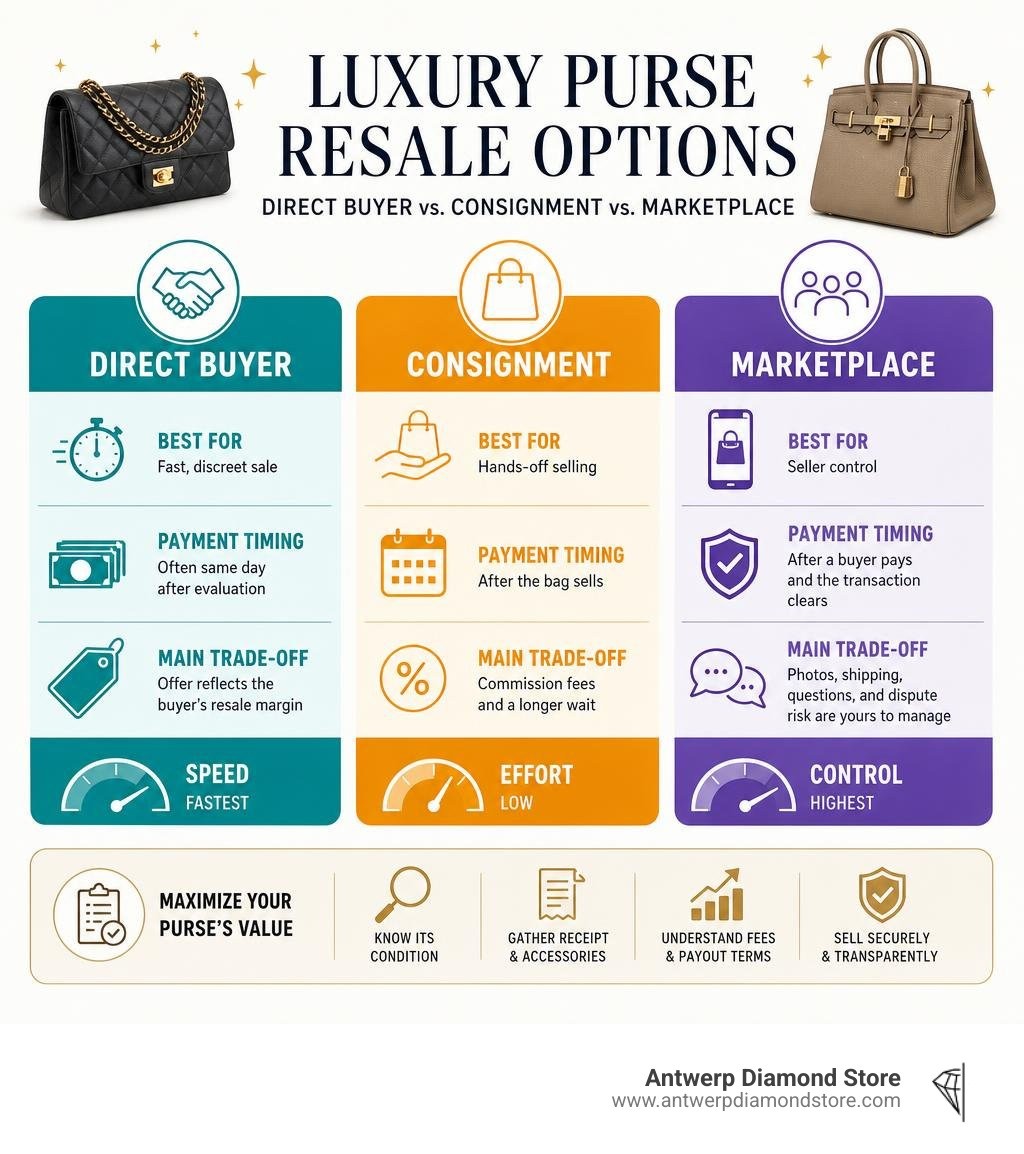
To sell high end purses, choose between a direct cash buyer, a luxury consignment service, or a peer-to-peer marketplace. The best option depends on whether you value speed, convenience, or the chance to control your asking price.
Selling option | Best for | Payment timing | Main trade-off |
|---|---|---|---|
Direct buyer | Fast, discreet sale | Often same day after evaluation | Offer reflects the buyer's resale margin |
Consignment platform | Hands-off selling | After the bag sells | Commission fees and a longer wait |
Peer-to-peer marketplace | Seller control | After a buyer pays and the transaction clears | Photos, shipping, questions, and dispute risk are yours to manage |
A luxury purse can hold meaningful resale value, especially from sought-after houses such as Hermès, Chanel, Louis Vuitton, Dior, and Gucci. But value is not guaranteed. Authenticity, condition, current demand, model, color, and included paperwork all affect both the offer you receive and how quickly the bag moves.
Before handing over your purse or publishing a listing, know its condition, gather its receipt and accessories, and understand the fees or payout terms. A fast sale should still be transparent, secure, and based on a clear evaluation.
Where to Sell High End Purses: Comparing Resale Models
When you decide to sell high end purses, navigating the resale landscape can feel overwhelming due to the variety of channels available today. Each selling route comes with distinct advantages regarding payout speed, security, and administrative effort. Knowing where to sell designer handbags online or in person starts with understanding how these platforms handle your item, evaluate its true market value, and protect your transaction.
To choose the best avenue for your personal goals, consider the following direct comparison between resale channels:
Resale Model | Evaluation Method | Payout Speed | Security & Authentication | Effort Required by Seller |
|---|---|---|---|---|
Direct Cash Buyer | Professional in-person or virtual inspection | Immediate (Same-day cash/wire) | Highest (In-house experts, private appointments) | Minimal (Submit item or visit showroom) |
Consignment Platform | In-house authentication team after shipping | Delayed (7–14 days to list + sales time) | High (Platform handles authentication and buyers) | Low to Medium (Ship items, wait for listing) |
Peer-to-Peer Marketplace | Automated algorithms + third-party authentication | Moderate to Slow (After delivery & clearance) | Variable (Potential for buyer disputes/scams) | High (Photography, pricing, customer service, shipping) |
Direct Cash Buyers vs. Consignment Services
For handbag owners prioritizing discretion and immediate liquidity, direct cash buyers offer significant advantages over traditional consignment. Working with a direct buyer allows you to bypass the photography, customer inquiries, and unpredictable waiting periods associated with online sales. You bring or send your item for a professional evaluation, review a transparent market-based offer, and leave with immediate payment in hand without hidden commission deductions.
If you are evaluating the best place to sell handbags, keep in mind that consignment services act as intermediaries. While consignment allows you to retain ownership of the bag until it finds a buyer, your money is tied up for weeks or months. Furthermore, if market demand fluctuates while your purse sits in a warehouse, consignment platforms frequently apply price markdowns to move inventory, resulting in a lower ultimate payout than you initially anticipated.
Understanding Commission Structures and Fees
Consignment platforms rely on tiered commission structures that scale based on your total annual sales volume or individual item valuations. For example, standard consignment platforms pay consignors between 40 to 70 percent commission. First-time or occasional consignors typically start at the lower end, earning roughly 40 percent commission on annual sales under $1,500. To reach top-tier commission rates near 70 percent, sellers often need to surpass $25,000 in annual sales volume.
Additionally, consignment logistics take time. Items shipped to major consignment houses typically require 7 to 14 days after arrival just to clear intake, authentication, photography, and appear live as online listings. Before sending your bag away, take time to compare top platforms for selling handbags covering authentication fees payout speed and steps to maximize value and security so you are not surprised by final payout math or prolonged waiting windows.
How to Authenticate and Price Pre-Owned Luxury Bags
Pricing pre-owned luxury purses competitively requires a thorough understanding of secondary market trends and proper authentication protocols. High-end buyers are meticulous, and secondary platforms deploy rigorous verification protocols before listing or paying out for high-value items. Establishing your bag’s legitimacy and market position upfront protects you against fraud and secures top-dollar offers.
Verifying Authenticity: Serial Numbers, Stamps, and Hardware
Authenticating a luxury purse requires inspecting tiny craft details that counterfeiters frequently fail to replicate. Professional authenticators rely on four fundamental pillars during verification:
Serial Numbers and Date Codes: Authentic bags from top luxury houses feature specific date codes, microchips, or serial number blind stamps inside the lining or interior pockets. The font, spacing, and placement must align perfectly with the house’s production records for that specific manufacturing year.
Country of Origin Stampings: High-end designer purses are crafted in historic leather-working regions. Look for clean, crisp heat stamps reading "Made in France," "Made in Italy," or "Made in Spain." Smudged fonts, uneven foil stamping, or incorrect origin countries immediately indicate a counterfeit.
Hardware Weight and Quality: Genuine luxury houses use solid brass, palladium, gold-plated, or laser-engraved metal hardware. The zippers (often manufactured by premium makers like Lampo, Raccagni, or RiRi) should slide effortlessly, and metal plates should carry a distinct, heavy weight without hollow sounds or flaking plating.
Stitching and Construction: Luxury leather goods feature precise, hand-stitched angled seams (such as the traditional saddle stitch). Look for consistent stitch counts per inch, clean edging, and zero loose threads or glue residue around the seams.
High-Demand Brands and Resale Retention
Not all designer bags appreciate or maintain value equally. Established tier-one houses—most notably Hermès, Chanel, and Louis Vuitton—consistently dominate the pre-owned market, often retaining 70% to well over 100% of their original retail value depending on scarcity.
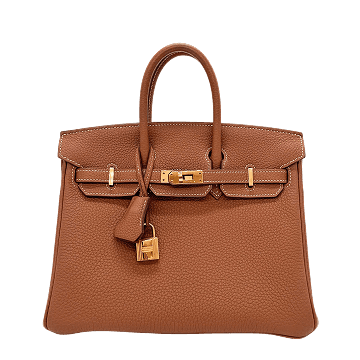
For instance, iconic models like the Hermès Birkin or Kelly, the Chanel Classic Flap, and the Louis Vuitton Neverfull hold legendary demand. Understanding chanel bag resale value helps sellers realize that timeless neutral colorways (black, beige, gold) in pristine caviar or calfskin leathers routinely command top tier pricing. Conversely, mid-tier contemporary brands (such as Michael Kors, Kate Spade, or Coach) experience steep secondary market depreciation and are often declined by high-end consignment outlets altogether.
How to Prepare Your Purse to Maximize Value
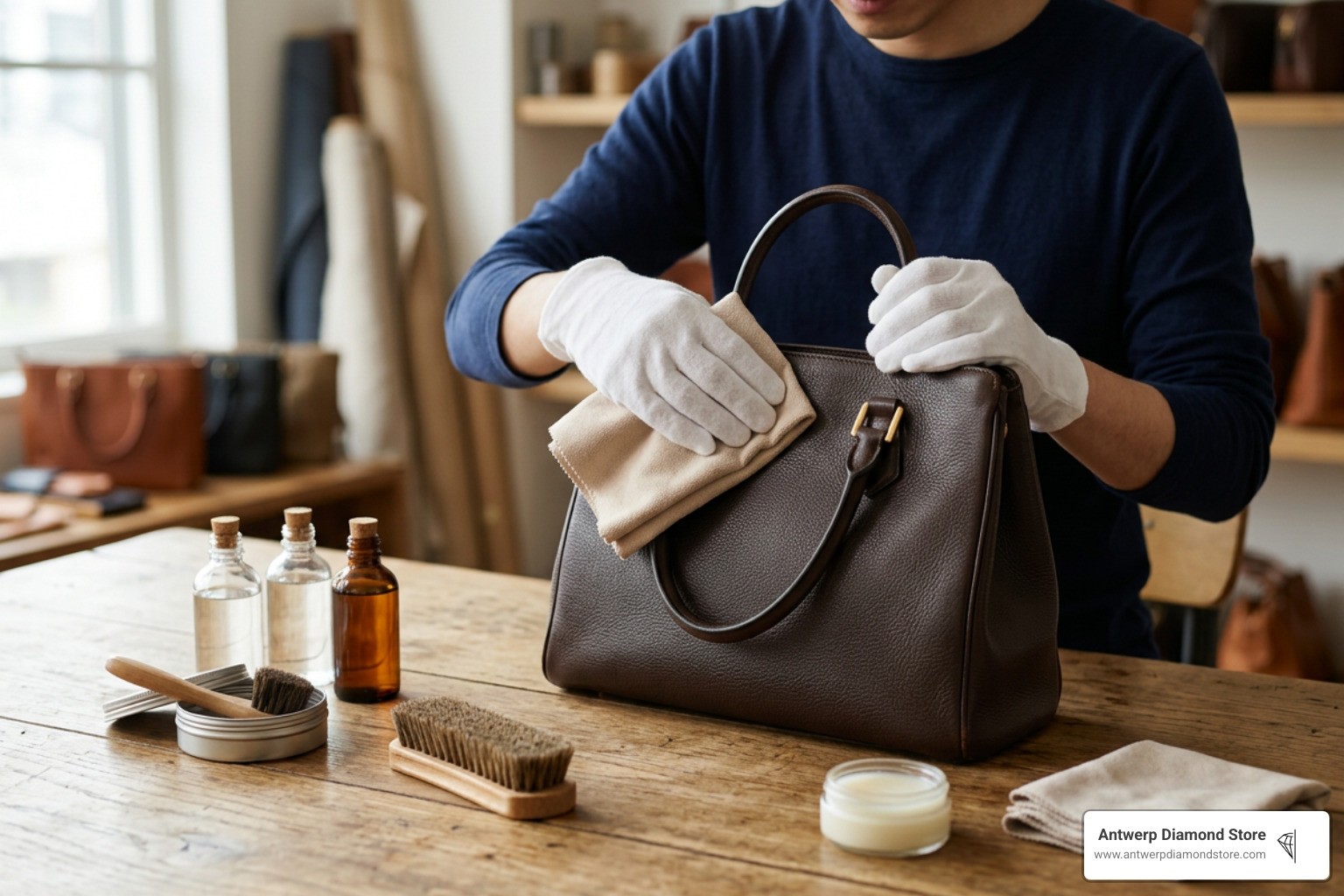
Taking time to properly clean, restore, and package your designer purse can significantly increase the final offer you receive. Pre-owned buyers pay premium rates for bags that look fresh, well-cared-for, and complete with all original accessories.
Step-by-Step Guide to Prep and Sell High End Purses
Preparing a luxury bag for evaluation or resale requires a delicate touch. Harsh household cleaners or aggressive scrubbing can permanently ruin fine leather, suede, or canvas finishes. Follow these steps to gently restore your handbag:
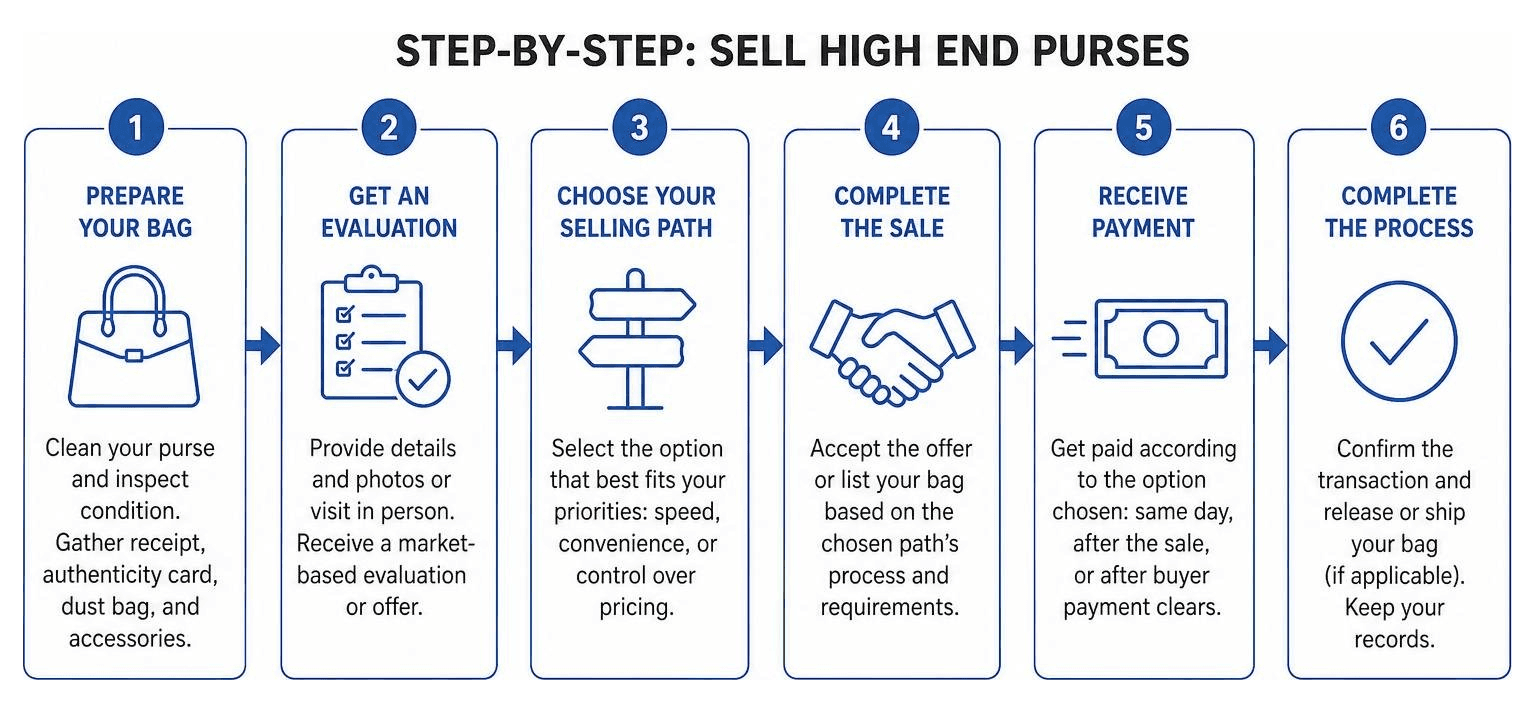
Step 1: Clean Out the Interior: Empty all pockets, turn the fabric lining inside out if possible, and use a lint roller or soft vacuum attachment to remove dust, lint, and loose debris from crevices.
Step 2: Spot-Treat Light Exterior Scuffs: Dilute mild castile soap in lukewarm water. Dampen a soft microfiber cloth (never soak it) and gently wipe down exterior coated canvas or smooth leather surfaces to remove oil and surface grime.
Step 3: Condition All Leather Surfaces: Apply a high-grade, premium leather conditioner using a clean microfiber cloth in gentle circular motions. This restores hydration and luster to dried leather. Allow the conditioner to absorb fully in a well-ventilated room for 6 to 12 hours before handling.
Step 4: Care for Suede Elements: Never use liquids on suede. Instead, use a dry, soft-bristle suede brush to gently lift dirt particles and restore the natural nap of the material.
Step 5: Polish Hardware: Use an untreated jewelry polishing cloth to gently buff metal clasps, feet, and zippers to remove fingerprints and surface tarnish.
For deeper insights into consignment preparation workflows, check out this step-by-step external guide on 7 proven steps to profit when reselling luxury bags. You can also review our expert tips on 7 Proven Steps to Profit When Selling Luxury Bags to ensure your bag is completely market-ready.
Packaging and Inclusions That Drive Higher Offers
Complete sets fetch higher valuations. When you sell high end purses, prospective buyers view original accessories as proof of authenticity and conscientious ownership.
Try to gather all original inclusions before seeking quotes:
Original Store Receipt or Invoice: Provides clear provenance and purchase history.
Authenticity Cards & Care Books: Essential for older Chanel, Prada, and Dior items.
Dust Bag and Original Box: Protects the bag during transit and adds significant presentation value.
Detachable Straps, Clochette, Keys, and Locks: Missing functional accessories directly reduce an item's evaluated condition and payout.
Mistakes to Avoid When You Sell High End Purses
Selling luxury items online or through unvetted channels carries financial and security risks. Avoiding key operational and pricing mistakes ensures you receive a fair payout without unnecessary stress.
Misjudging Condition and Mispricing Market Value
One of the most frequent mistakes sellers make is misjudging their purse's true condition tier. Overestimating condition—such as labeling a bag with scratched hardware or softened corner structure as "Pristine"—leads to authentication rejections, downward offer revisions, or canceled sales.
Always disclose every flaw upfront, including minor scuffs, pen marks in the lining, or oxidized hardware. Additionally, avoid pricing your purse solely based on what you originally paid years ago. Base your expectations on real-time market data, current buyer demand, and current secondary market listings for identical models in comparable condition.
Security Risks and Authentication Delays
Listing expensive items on peer-to-peer marketplaces exposes sellers to potential scams, buyer chargeback disputes, and shipping damage claims. Peer-to-peer platforms frequently side with buyers during disputes, leaving sellers vulnerable to lost inventory or fake item returns.
Choosing a trusted direct buyer eliminates these security risks completely. If you are thinking, "I want to sell my designer handbag safely," opting for a private, in-person consultation with established professionals guarantees secure payment verification before your handbag leaves your hands.
Frequently Asked Questions About Selling High End Purses
What documentation adds the most value when reselling a purse?
The original store receipt or invoice adds the most value, as it establishes clean provenance, purchase date, and official boutique origin. Following receipts, original dust bags, authenticity cards, box sets, and brand care booklets add noticeable secondary value.
How long does it take to get paid when selling a luxury purse?
Payout speed depends entirely on the sales channel. Direct cash buyers provide immediate payment on the same day as your evaluation. Peer-to-peer marketplaces payout within 3 to 7 days after the buyer receives and approves the shipment. Consignment platforms take the longest, requiring 7 to 14 days to process and list your item, followed by weeks or months until a buyer purchases the bag and clears the return window.
What condition must a designer purse be in to sell?
A designer purse does not need to be in brand-new condition to sell. Direct buyers and luxury secondary markets accept items ranging from "Fair" or "Gently Used" to "Pristine." While minor leather scuffs, hardware scratches, and slight interior wear will lower the overall valuation, high-demand models from major luxury houses remain very sellable even with noticeable vintage character.
Conclusion
When you are ready to sell high end purses, taking time to understand your options ensures a smooth, highly profitable experience. Whether you choose to navigate consignment commission tiers, handle peer-to-peer listings yourself, or work directly with a buyer, evaluating authenticity, gathering original documentation, and properly preparing your bag will maximize your final payout.
At Antwerp Diamond Store in Atlanta, GA, we purchase luxury handbags, fine jewelry, and high-end watches directly for cash. We offer free professional evaluations, transparent market-based quotes, and immediate, secure payouts in a private, appointment-only setting without hidden fees or consignment waiting periods. To learn more about navigating resale options, explore our guide on where to sell designer handbags online or schedule a private valuation with our team today.